Best Day Trips from Hua Hin: Sam Roi Yot and Beyond
Hua Hin's beach is the reason most people come. The national parks, royal palaces, and wild elephant safaris within 90 minutes of town are the reason most people stay longer than they planned.
Prachuap Khiri Khan province sits at the top of the Thai peninsula with five national parks within its borders. Hua Hin is the base. Everything here is a straight road south or an easy drive inland.
Quick Reference
Destination | Distance | Drive Time | Best For |
|---|---|---|---|
Sam Roi Yot National Park | 63 km | 1 hour | Caves, limestone peaks, coastal scenery |
Kui Buri National Park | 85 km | 1.5 hours | Wild elephant safari |
Prachuap Khiri Khan town | 93 km | 1.2 hours | Seafood, quiet coastal town |
Phetchaburi | 80 km north | 1 hour | Hilltop palace, history |
Kaeng Krachan / Pala-U | 60 km | 1 hour | Waterfall, birdwatching |
Sam Roi Yot National Park
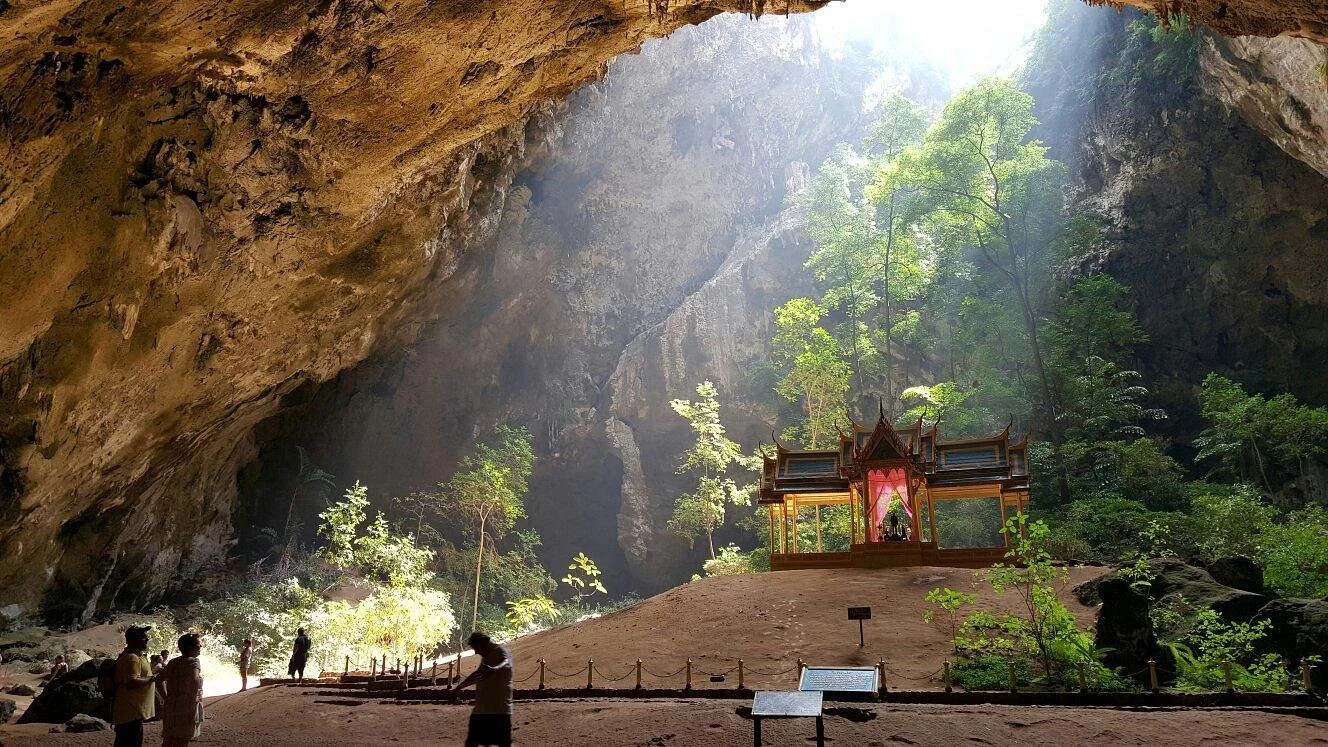
Sam Roi Yot means "Mountain of Three Hundred Peaks" and the name earns it. Thailand's first coastal national park spans the districts of Sam Roi Yot and Kui Buri in Prachuap Khiri Khan province, covering limestone mountains, mangroves, wetlands, caves, beaches, and offshore islands. No other park within two hours of Hua Hin covers this range of terrain in a single day.
Phraya Nakhon Cave is the centrepiece. The cave contains a shimmering royal pavilion, and a light shaft pierces the ceiling to illuminate it from above. To reach it, catch a boat from Ban Bang Pu fishing village to Laem Sala Beach, then hike 430 metres uphill to the cave entrance. The hike takes 30 to 50 minutes depending on pace and requires proper footwear. Wear sneakers, bring water, and start before 10am to beat the tour groups and the midday heat.
The wetlands at Bueng Bua marsh are the second reason to come. The freshwater lotus marsh is accessible by a 30-minute boat trip at 500 baht for two people. The lotus flowering peaks between November and February. Outside this window the marsh is still worth seeing for the birdlife, but do not come expecting the lotus field photographs if you are visiting between March and October.
Entry: 200 baht for foreign adults, 100 baht for children under 14. The park sits 63 kilometres from Hua Hin and is most practical by rental car or scooter. Songthaews from Pranburi market reach the park gate but not the individual attractions. A full day covers both the cave and the wetlands comfortably if you leave Hua Hin before 8am.
Kui Buri National Park: Wild Elephants
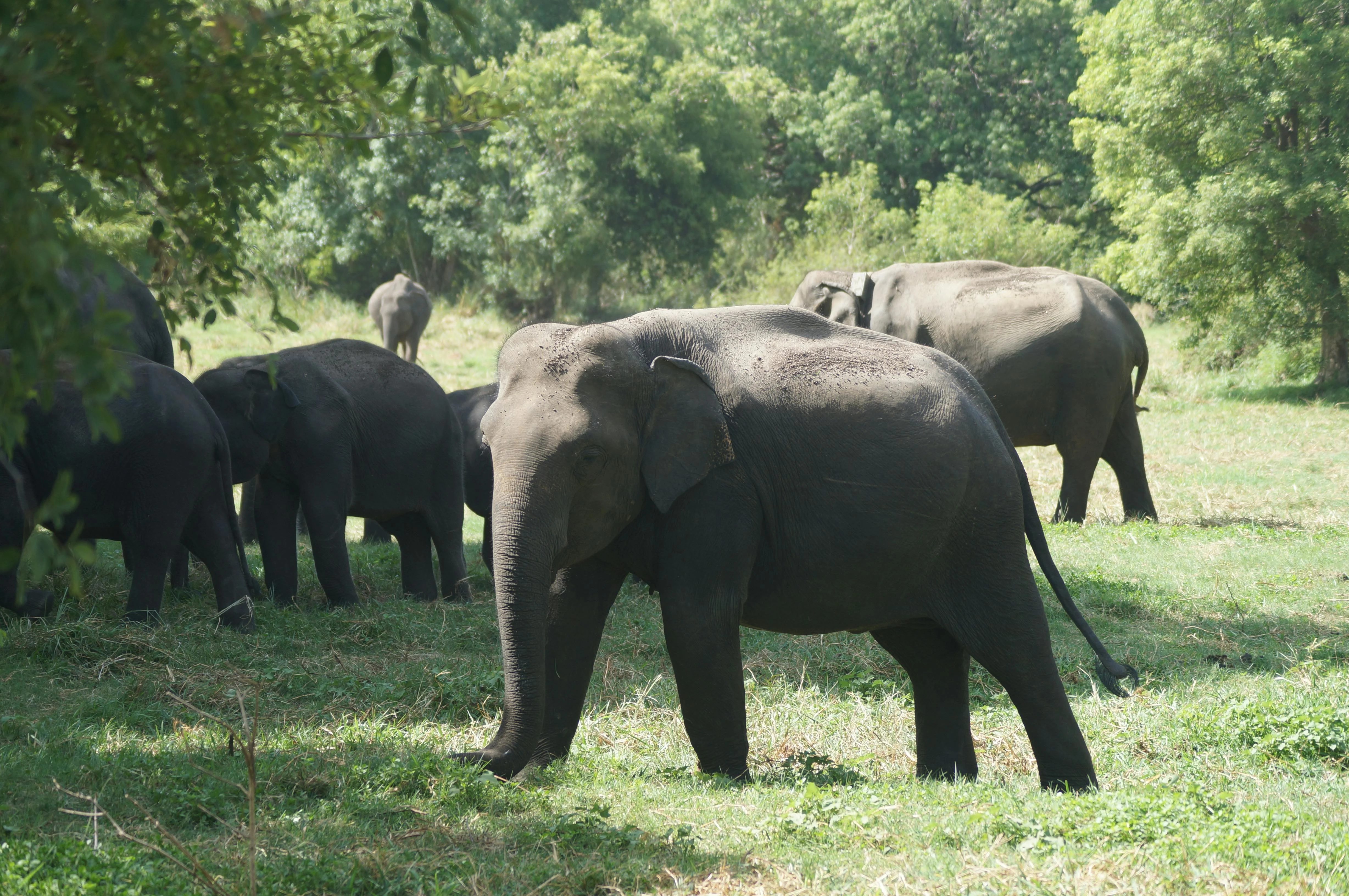
Kui Buri National Park is renowned as the premier spot for wild elephant watching in Thailand, offering an impressive 95 percent chance of sighting these creatures in its dedicated wildlife viewing area. This is not a managed elephant experience. The animals move freely through 969 square kilometres of protected forest and come to open grassland areas in the late afternoon to feed.
The wildlife watching area opens from 2pm until around 6pm daily. Visitors from Hua Hin are recommended to leave town around 1:30pm. You cannot drive your own vehicle into the wildlife area. At the visitor centre, arrange a guided safari pickup which covers up to 6 people per vehicle. As of 1 May 2026, the price for a safari pickup with a guide has been adjusted to 1,250 baht per vehicle.
Beyond elephants, the park is home to gaurs, macaques, deer, gibbons, and occasional leopard. The park rangers stay in radio contact with your guide throughout the safari to track animal movements and direct you to the best sightings. The best time to see elephants is in the late afternoon around 4pm when they come out to feed or bathe.
Entry: 200 baht for foreign adults. Kui Buri sits 85 kilometres south of Hua Hin, 1.5 hours by road. A rental car or private transfer is the only practical way to reach it. The park is part of the Kaeng Krachan Forest Complex, which has been listed as a UNESCO World Heritage site since July 2021.
Prachuap Khiri Khan Town
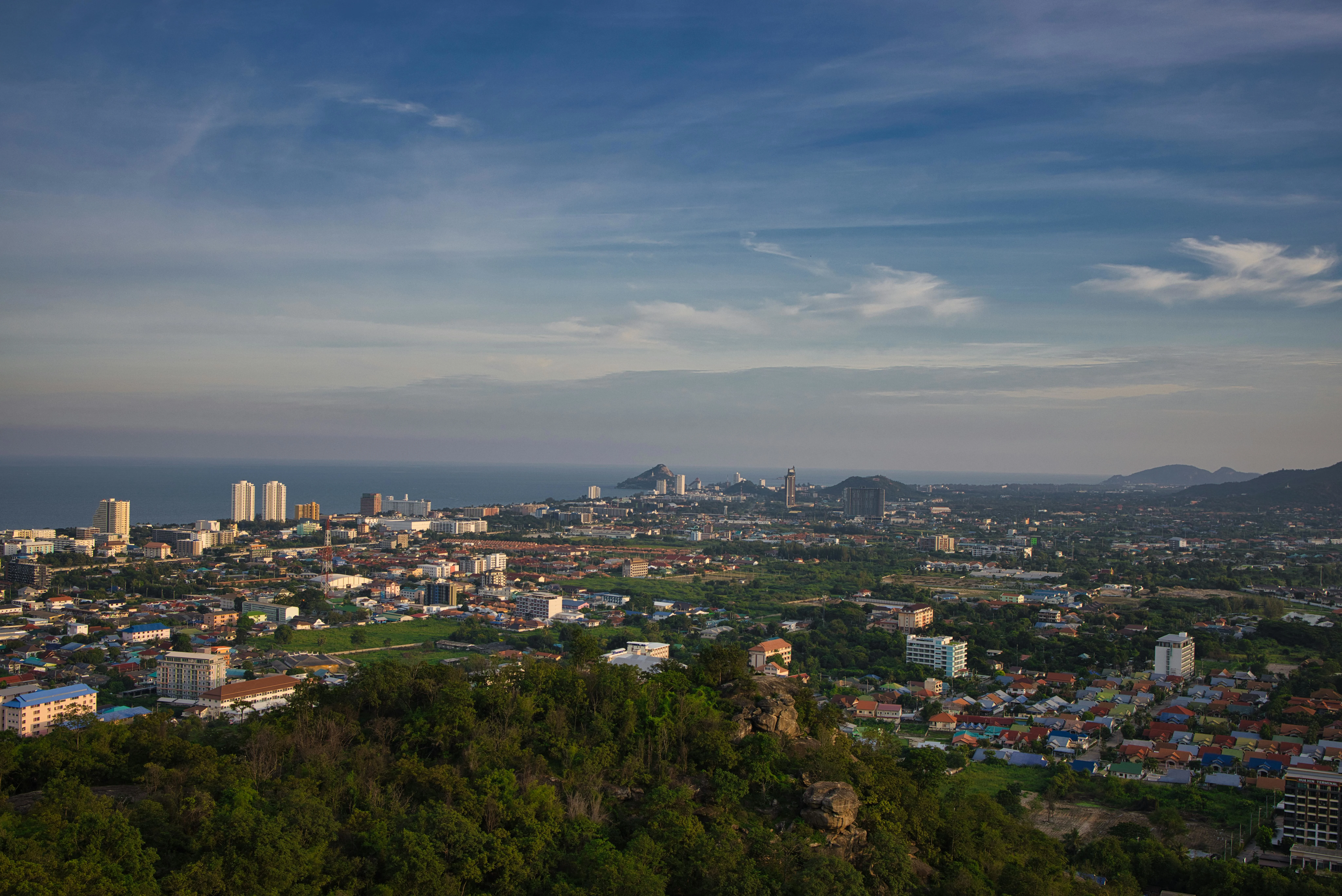
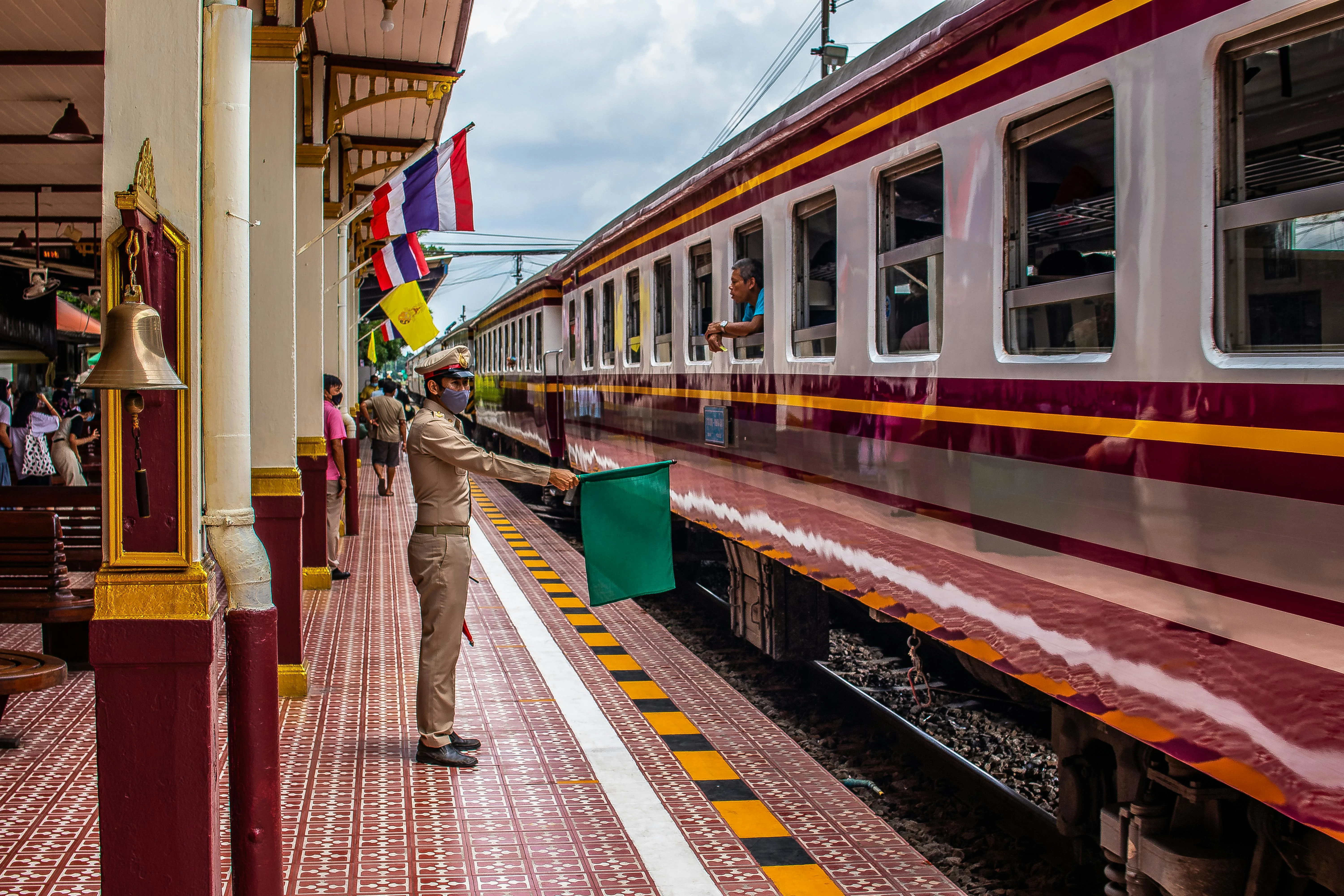
Prachuap Khiri Khan is what Hua Hin used to be before the golf resorts arrived: a quiet Thai coastal town with a beach set into the downtown, a morning seafood market, and a monkey-inhabited temple on the hill above the bay. The distance from Hua Hin is 57.8 miles by road and the drive takes approximately 1 hour 12 minutes. A direct train also runs hourly and takes approximately 1 hour 22 minutes.
Khao Chong Krajok temple sits at the top of a limestone hill above the town bay, reachable by a steep staircase. The view over the narrow bay with Thailand on three sides and Myanmar's hills visible to the west is one of the most unusual coastal panoramas in the country. The monkeys on the staircase are bold. Keep food and loose accessories out of reach.
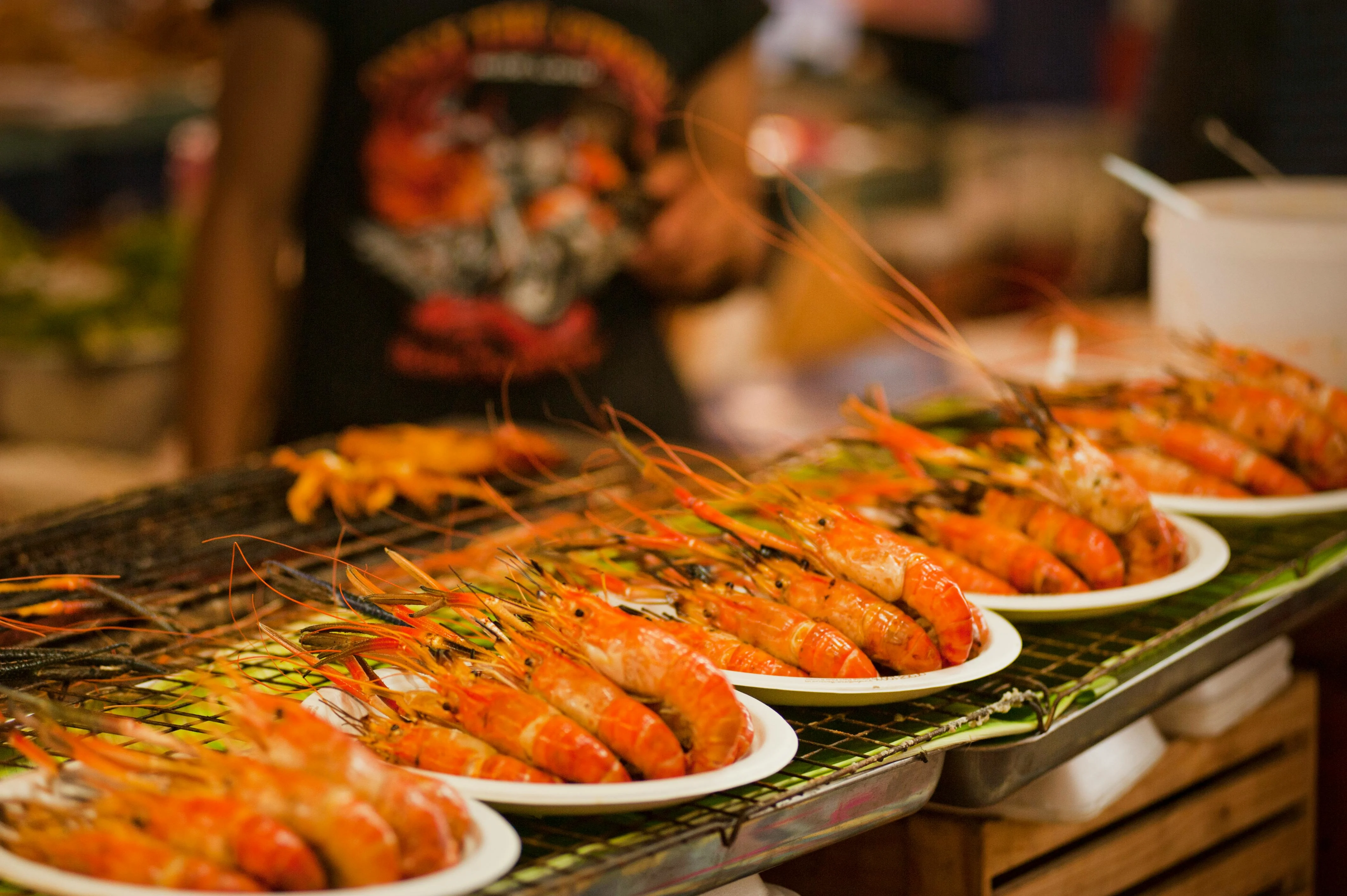
The seafood at the restaurants along the waterfront is the best reason to time the visit around lunch. Grilled fish, crab fried rice, and fresh prawns at waterfront restaurants cost 150 to 300 baht per dish, at roughly half the price of equivalent quality in Hua Hin. The town has no tourist infrastructure to speak of, which is the point.
Getting there: The train from Hua Hin to Prachuap Khiri Khan is the most comfortable option for a day without a car. Trains run hourly, the journey takes under 90 minutes, and the station is a short walk from the waterfront. Minivans also run every 30 minutes and cost 80 baht.
Phetchaburi: History and a Hilltop Palace
Phetchaburi sits 80 kilometres north of Hua Hin, about one hour by road. Phra Nakhon Khiri (Khao Wang) Palace sits on a hilltop with panoramic views over the town. It was built as a summer palace for King Rama IV and is now a national museum. A cable car runs to the summit for visitors who prefer not to climb.
The town's temple circuit covers Wat Mahathat Worawihan with its striking white chedi and ancient murals, and a cluster of smaller temples that hold some of the best-preserved examples of Ayutthaya-period religious art outside Ayutthaya itself. The morning market off the main road sells the coconut sugar sweets that Phetchaburi is known for across Thailand.
Phetchaburi works best as a half-day paired with either a Hua Hin morning or a second destination on the way back south. It does not justify a full day on its own unless temple and palace history is your specific focus.
Getting there: 80 kilometres north of Hua Hin by road, about 1 hour. Regular minivans and buses run between Hua Hin and Phetchaburi throughout the day.
Kaeng Krachan and Pala-U Waterfall
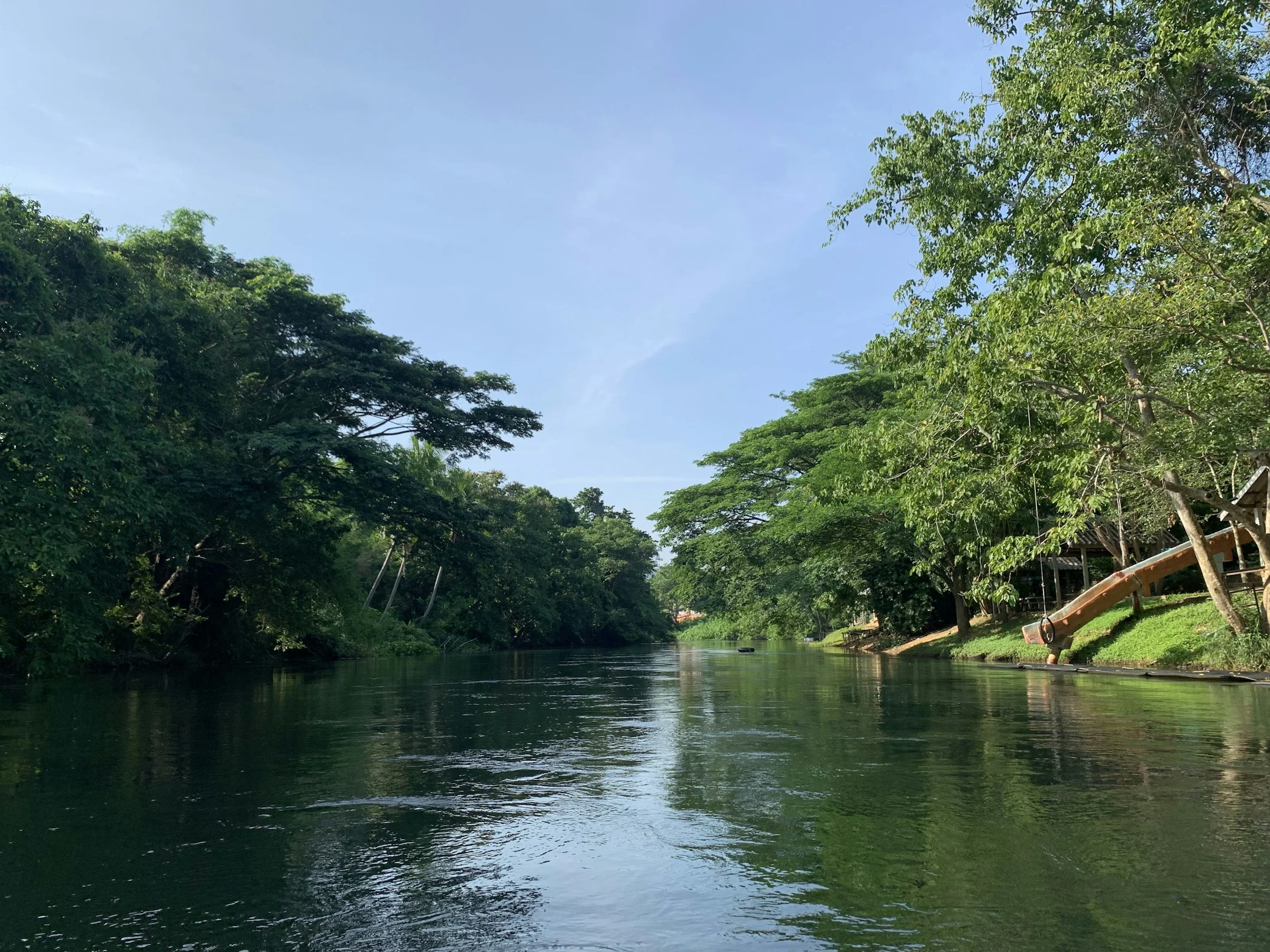
Kaeng Krachan National Park is Thailand's largest national park and part of the same Kaeng Krachan Forest Complex as Kui Buri. The section accessible from Hua Hin in a day is the Pala-U waterfall, 60 kilometres from Hua Hin on a road that climbs into forested hills toward the Myanmar border.
Pala-U has 16 tiers and the lower sections are accessible without significant hiking. The upper tiers require more effort and are less visited. The forest around the falls is a serious birdwatching destination: the area holds over 400 bird species and the approach road through the jungle produces sightings of species not found elsewhere in the region.
The waterfall runs year-round but flows strongest between July and November. During the dry season from January to April the flow is reduced. The drive up from Hua Hin takes about one hour and the road passes through agricultural land and forested hills that form a completely different landscape from the coastal Hua Hin environment.
Getting there: A rental car or motorbike is the most practical option. Organised tours run from Hua Hin and include transport, a guide, and park entry. Entry to Kaeng Krachan is 300 baht for foreign adults.
How to Structure Your Days
One day, nature focus: Sam Roi Yot for the morning cave hike, then drive south to Kui Buri for the afternoon elephant safari. Leave Hua Hin at 7am for the cave, reach Kui Buri visitor centre by 1:30pm. This double-park day requires a rental car and covers 150 kilometres total.
One day, town and culture: Drive to Phetchaburi in the morning, then continue south back through Hua Hin to Prachuap Khiri Khan for a seafood lunch and the monkey temple. Return to Hua Hin by late afternoon. Alternatively, take the train south to Prachuap Khiri Khan independently without a car.
Standalone days: Pala-U waterfall works as a solo half-day from Hua Hin. Sam Roi Yot alone fills a full day if you do both the cave and the wetlands properly. Kui Buri is an afternoon-only destination and pairs well with a Sam Roi Yot morning.
Getting Around
A rental car is the most flexible option for reaching all five destinations. Rental rates in Hua Hin start at around 1,000 to 1,500 baht per day. A motorbike covers all destinations except Kui Buri in wet season when the road surface becomes unpredictable on two wheels.
The train is the right call for Prachuap Khiri Khan specifically: it drops you at the waterfront, it is cheaper than driving, and it removes the parking question from a small town with limited tourist infrastructure.
For Sam Roi Yot and Kui Buri, public transport requires combining a songthaew to the park gate with a tuk tuk or pickup arrangement for the cave trail and safari. A private transfer from Hua Hin to either park runs 800 to 1,500 baht each way depending on vehicle size.
Where to Go from Here
For where to stay while using Hua Hin as a base for these day trips: Best Hotels in Hua Hin 2026.
For getting to Hua Hin from Bangkok before the day trips begin: Getting to Hua Hin from Bangkok.
For what to eat in Hua Hin between day trips: Hua Hin Food Guide.
For the full Hua Hin destination overview: Hua Hin Travel Guide 2026.