Thailand's private hospital system is one of the strongest in Southeast Asia and several Bangkok hospitals hold international JCI accreditation. The system works well if you have insurance. Without it, a single serious admission can cost 200,000 to 500,000 baht.
The two-tier system
Thailand operates a two-tier healthcare system. Government hospitals provide cheap care with long waits and limited English. Private hospitals provide fast, high-quality care at prices that are high by local standards but low by Western private hospital standards. Most expats use private hospitals for all routine and emergency care.
For major cities like Bangkok and Chiang Mai, the private hospital system is excellent. For island and rural areas, private hospitals exist but the specialist range is limited. Anything serious in a remote location typically means a transfer to Bangkok or Chiang Mai. This geographic gap is one of the most important factors in choosing where to live in Thailand long-term.
Top hospitals by city
City | Hospital | Strengths | JCI accredited |
|---|---|---|---|
🏙️ Bangkok | Bumrungrad International | 58+ specialties, international patients | ✅ Yes |
🏙️ Bangkok | Samitivej Sukhumvit | Family medicine, pediatrics | ✅ Yes |
🏙️ Bangkok | Bangkok Hospital | Wide network, multiple locations | ✅ Yes |
🌿 Chiang Mai | Chiang Mai Ram | Routine care, emergency | ✅ Yes |
🌿 Chiang Mai | Bangkok Hospital Chiang Mai | Strong English support | ✅ Yes |
🏖️ Phuket | Bangkok Hospital Phuket | Best on island for complex cases | ✅ Yes |
🏖️ Phuket | Mission Hospital Phuket | Good for routine care | No |
🌊 Hua Hin | Bangkok Hospital Hua Hin | Covers most retiree needs | No |
Bangkok's top private hospitals
Bumrungrad International Hospital in Sukhumvit is the most internationally recognised hospital in Thailand. It holds JCI accreditation, operates over 58 specialist departments, and sees around 520,000 international patients per year. English is spoken fluently across all departments and the patient experience is closer to a hotel than a hospital. A GP consultation costs around 1,000 to 1,500 baht before tests.
Bangkok Hospital Group operates multiple hospitals across Bangkok and Thailand. Samitivej Hospital in Sukhumvit is particularly strong for family medicine and paediatrics. Both Bumrungrad and Samitivej accept direct billing from most major international insurers, which means no upfront payment at admission. For full details, read the guide to the best hospitals in Bangkok.
Chiang Mai hospitals
Chiang Mai Ram Hospital and Bangkok Hospital Chiang Mai are the two primary private options for expats in Chiang Mai. Both handle routine care, emergency treatment, and most standard procedures well. For complex specialist surgery or oncology, most doctors recommend Bangkok. The flight from Chiang Mai to Bangkok takes just over an hour and is worth planning for anything serious. Read the Chiang Mai hospitals guide for the full comparison.
Healthcare costs
Treatment | Cost range |
|---|---|
GP consultation | 800 to 1,500 baht |
Emergency room visit (no admission) | 2,000 to 5,000 baht |
Standard blood test panel | 1,500 to 4,000 baht |
MRI or CT scan | 5,000 to 15,000 baht |
One night hospital admission | 8,000 to 25,000 baht |
Appendectomy | 50,000 to 120,000 baht |
Major surgery or serious event | 200,000 to 500,000+ baht |
Dental cleaning and checkup | 800 to 1,500 baht |
Dental crown | 5,000 to 10,000 baht |
These figures are for private hospitals. Government hospital costs are significantly lower but the experience and wait times are not suited to most expats. For the full breakdown, read the healthcare costs in Thailand guide.
Health insurance
Private health insurance is not optional in practical terms for long-term residents. Thai private hospitals require payment upfront or insurance confirmation at admission. International health insurance policies with Thailand coverage vary significantly by age and coverage level.
Age | Annual premium range | Notes |
|---|---|---|
25 to 35 | 15,000 to 25,000 baht | Most affordable window to buy |
35 to 45 | 25,000 to 45,000 baht | Pre-existing conditions start mattering |
45 to 55 | 40,000 to 75,000 baht | Significant jump at 50 |
55 to 65 | 70,000 to 130,000 baht | Largest cost for retirees |
65+ | 100,000 to 180,000+ baht | Some providers stop new coverage |
The most important rule on insurance is to buy it before you develop any conditions that will be excluded. Providers use your medical history at the time of policy start to determine pre-existing exclusions. Waiting until you are already in Thailand and already have a health issue can mean that condition is excluded or uninsurable. Read the health insurance in Thailand guide for policy comparisons and what to watch for in the fine print.
Dental care
Thai dental care is excellent value and well-established for dental tourism. A crown at an accredited Bangkok or Chiang Mai clinic runs 5,000 to 10,000 baht versus 40,000 to 80,000 baht in Europe or Australia. Implants run 35,000 to 60,000 baht per tooth versus 150,000 to 250,000 baht in the UK or US. A standard cleaning and checkup costs 800 to 1,500 baht. Most major private dental clinics in Bangkok and Chiang Mai have English-speaking staff and use the same equipment as Western clinics. For full cost details, read the dental care in Thailand guide.
Pharmacies
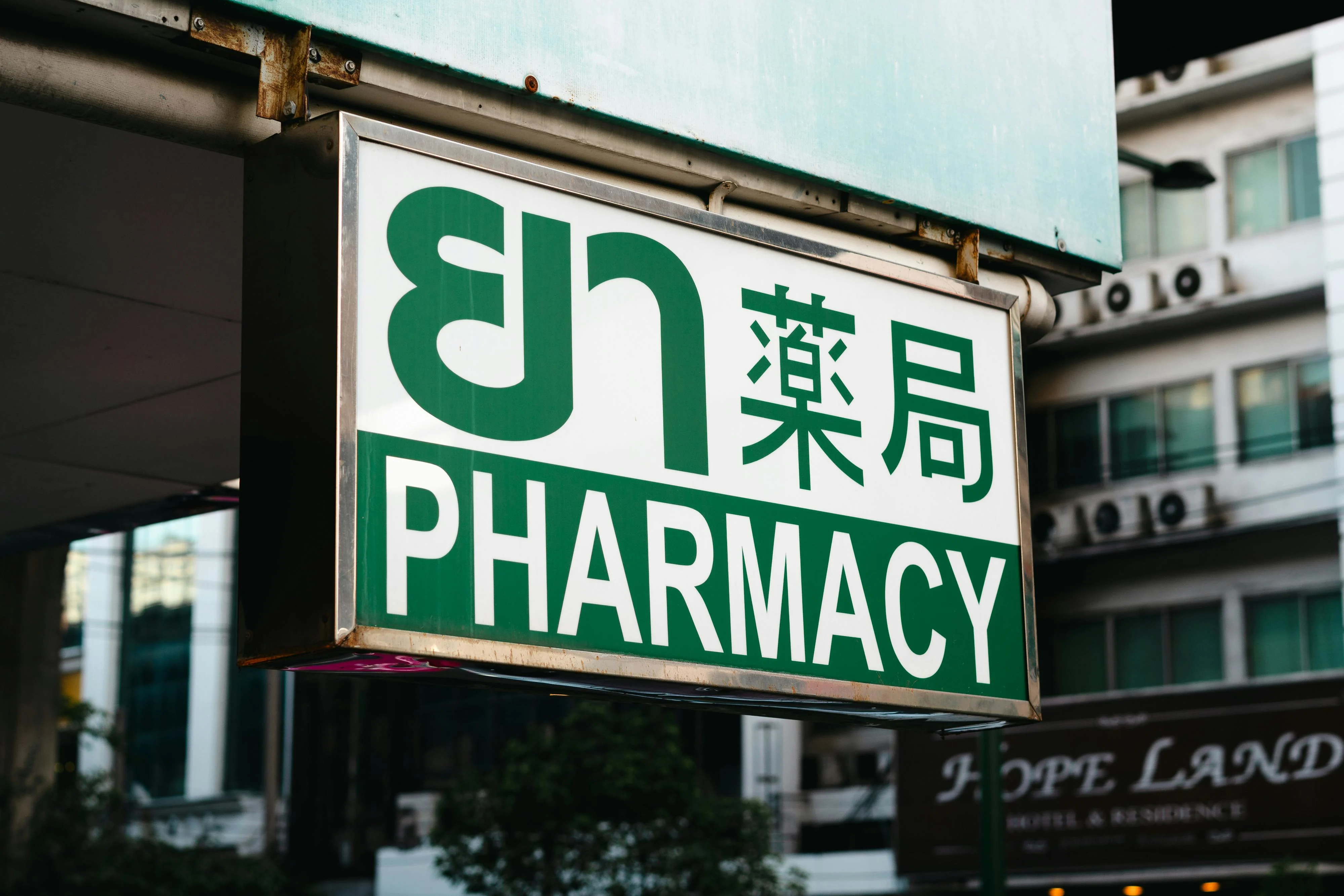
Thai pharmacies sell a wide range of medications that require prescriptions in most Western countries. Antibiotics, antihistamines, and many common medications are available over the counter at independent pharmacies. This is convenient for minor issues but should not replace a proper diagnosis for anything ongoing. Pharmacists in tourist and expat areas usually speak sufficient English. For the full picture of what is and is not available without a prescription, read the pharmacy in Thailand guide.
Healthcare on Thai islands and in rural areas
The gap between Bangkok and the islands is significant. Koh Samui has a handful of private clinics and one international hospital but serious cases are evacuated to Surat Thani or Bangkok. Koh Phangan and Koh Tao have basic clinics only. Anyone with ongoing medical needs or who is in a higher-risk health category should factor hospital proximity into their location decision. This is one of the strongest arguments for basing yourself in Bangkok, Chiang Mai, or a larger city rather than a remote island.
Where to go from here
Healthcare planning is one of the most important decisions in any long-term Thailand move. These guides go deeper on each element.
For insurance: the health insurance in Thailand guide covers the major providers, what each policy covers, and what to check before signing.
For Bangkok hospitals in detail: the best hospitals in Bangkok guide covers Bumrungrad, Samitivej, and the Bangkok Hospital Group with department-level detail.
For Chiang Mai hospitals: the Chiang Mai hospitals guide covers Chiang Mai Ram and Bangkok Hospital Chiang Mai with honest assessments of what each handles well.
For dental costs: the dental care in Thailand guide covers procedures, pricing, and which clinics have the strongest international reputations.
For retirees planning healthcare alongside visa decisions: the retiring in Thailand guide covers insurance costs at different ages alongside visa and city decisions in one place.