Thailand remains one of the most affordable countries in Southeast Asia for long-term living, but the gap between a budget life and a comfortable one is wider than most guides admit. Where you live matters more than any other single variable.
The short version
City | Budget (baht/month) | Comfortable (baht/month) |
|---|---|---|
🌿 Chiang Mai | 25,000 to 40,000 | 40,000 to 60,000 |
🏙️ Bangkok | 40,000 to 60,000 | 65,000 to 90,000 |
🏖️ Phuket | 45,000 to 65,000 | 70,000 to 100,000 |
🌊 Hua Hin | 35,000 to 50,000 | 55,000 to 75,000 |
🏔️ Chiang Rai | 20,000 to 30,000 | 30,000 to 45,000 |
These figures cover rent, food, transport, utilities, and health insurance contributions for a single person. They do not include school fees, car ownership, or private hospital care beyond insurance coverage.
The two variables that matter most
Rent determines the floor of your budget. Air conditioning use determines whether your electricity bill is 800 baht or 4,000 baht per month. Everything else is broadly predictable and similar across cities. The mistake most people make when researching costs is averaging across cities — Chiang Mai and Bangkok are genuinely different places to budget for and should be treated as separate decisions.
Accommodation
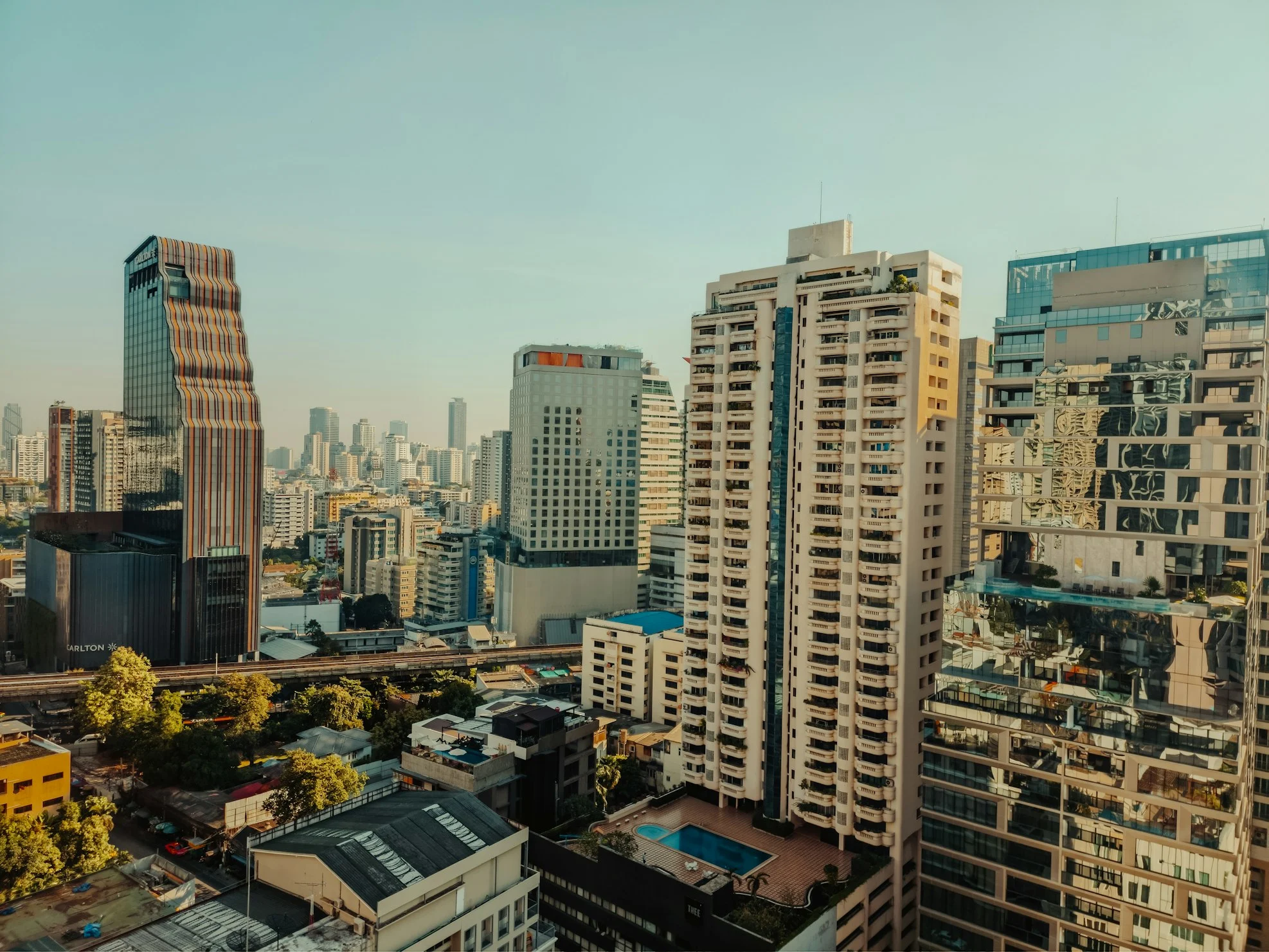
Rent is the biggest single variable and also the most controllable. The difference between a well-located apartment in central Thonglor and a comfortable studio in Nimman, Chiang Mai can be 20,000 baht a month for a similar quality of life.
City / Area | Studio or 1-bed (baht/month) | Notes |
|---|---|---|
Bangkok — Thonglor/Ekkamai | 20,000 to 35,000 | Best BTS access, highest cost |
Bangkok — Ari/Ladprao | 12,000 to 20,000 | Lower cost, longer BTS walk |
Chiang Mai — Nimman | 10,000 to 18,000 | Most desirable expat area |
Chiang Mai — Santitham | 7,000 to 12,000 | Good value, local neighbourhood |
Phuket — Rawai/Chalong | 12,000 to 22,000 | Best for long-term living |
Phuket — Patong area | 15,000 to 30,000 | Tourist pricing, avoid for long stays |
Hua Hin | 10,000 to 18,000 | Good value beach access |
Chiang Rai | 5,000 to 10,000 | Lowest rent of any expat city |
For a detailed city-by-city rent breakdown, read the renting in Thailand 2026 guide.
Food
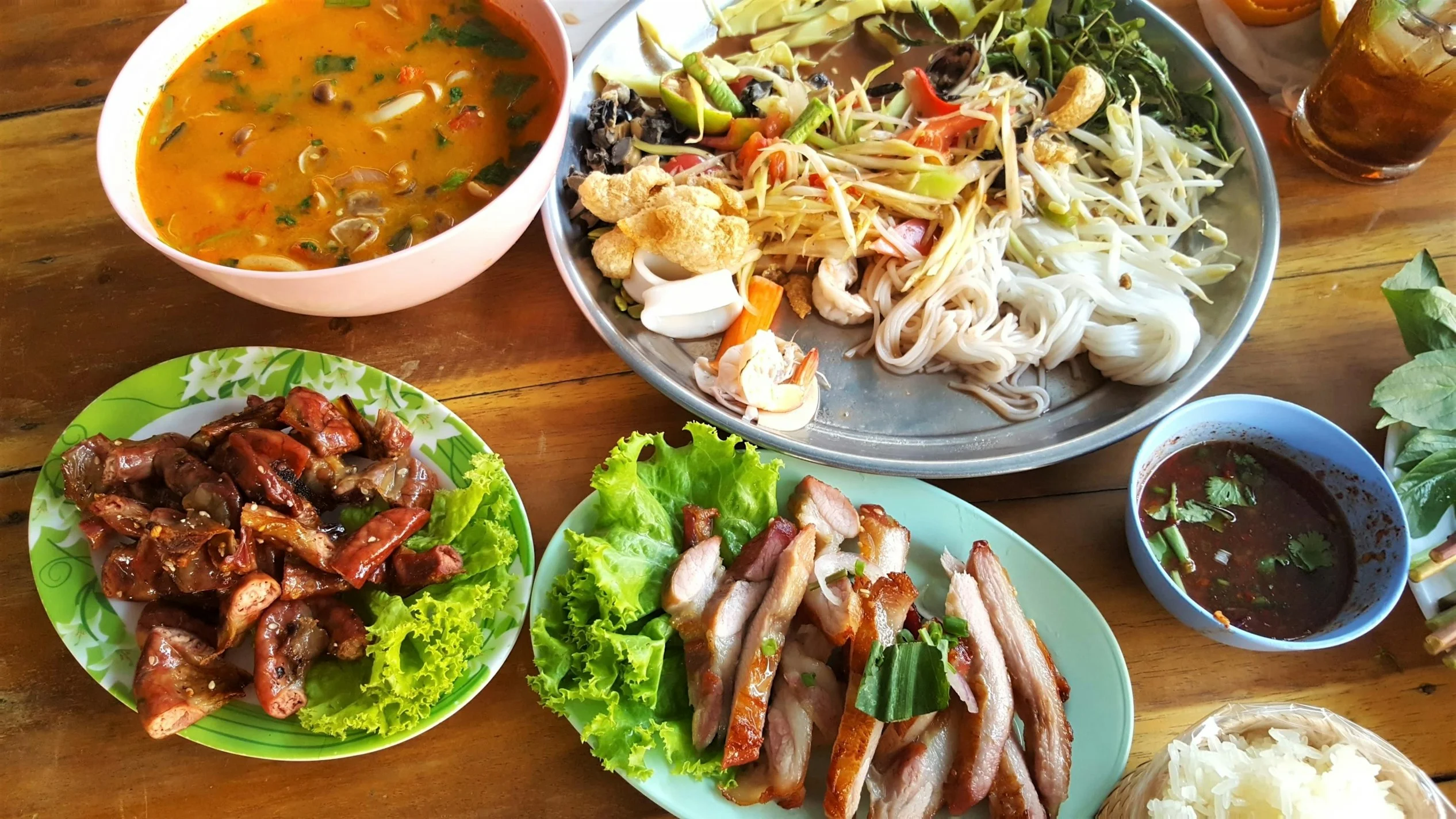
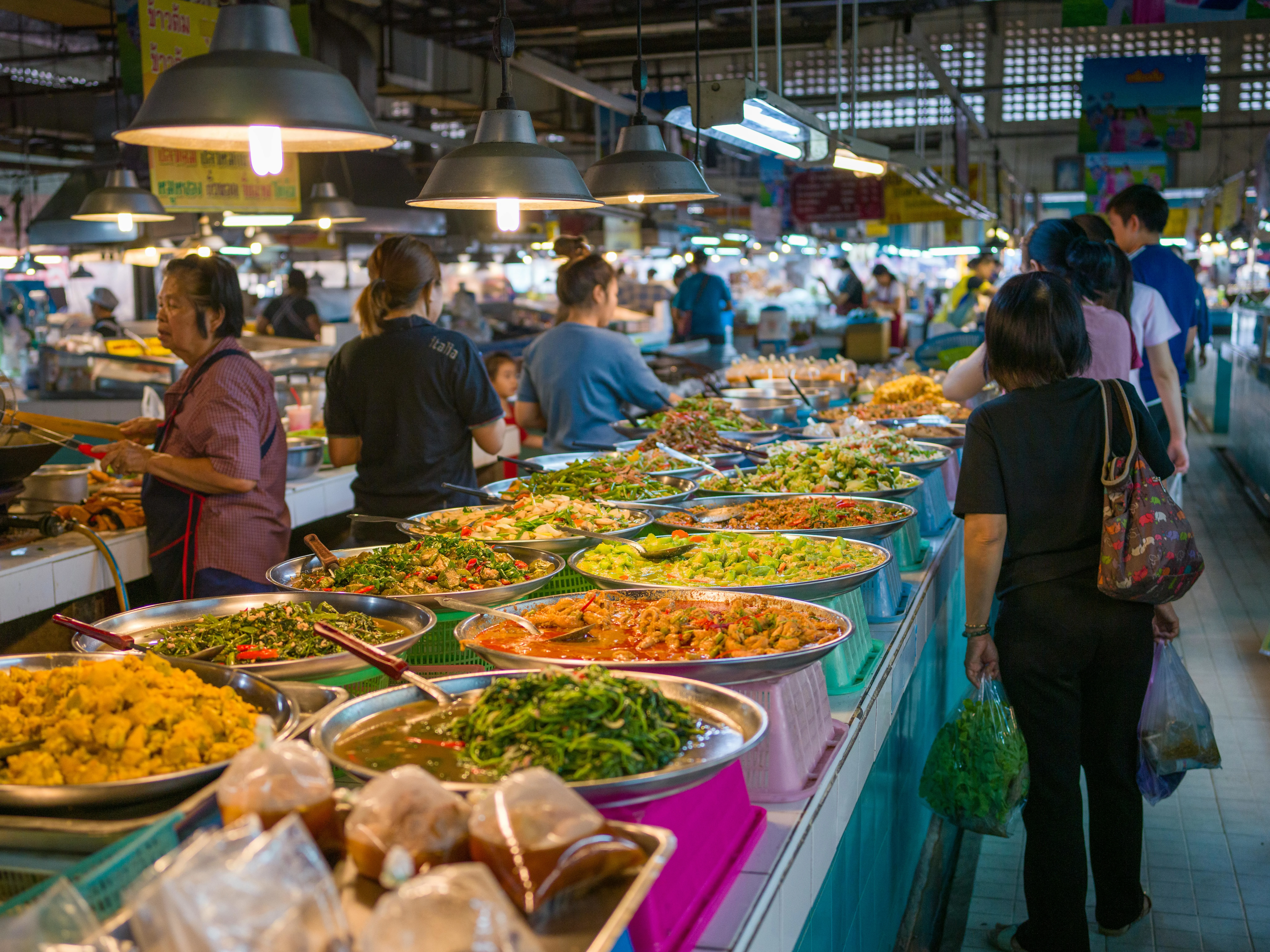
Eating at local Thai restaurants and food courts costs 60 to 120 baht per meal. Three meals a day at this level runs 5,500 to 10,000 baht per month. This is the biggest lifestyle lever in any Thai budget — eating local keeps costs extremely low, eating Western pushes them up fast.
Eating style | Monthly cost (single person) |
|---|---|
Street food and local restaurants only | 5,000 to 8,000 baht |
Mix of local and Western restaurants | 10,000 to 16,000 baht |
Mostly Western restaurants and delivery | 18,000 to 28,000 baht |
Cooking at home with imported groceries | 12,000 to 20,000 baht |
Adding Western restaurants, imported groceries from Tops or Villa Market, or regular delivery app use pushes monthly food costs to 15,000 to 25,000 baht quickly. For the full breakdown, read the food costs in Thailand guide.
Transport
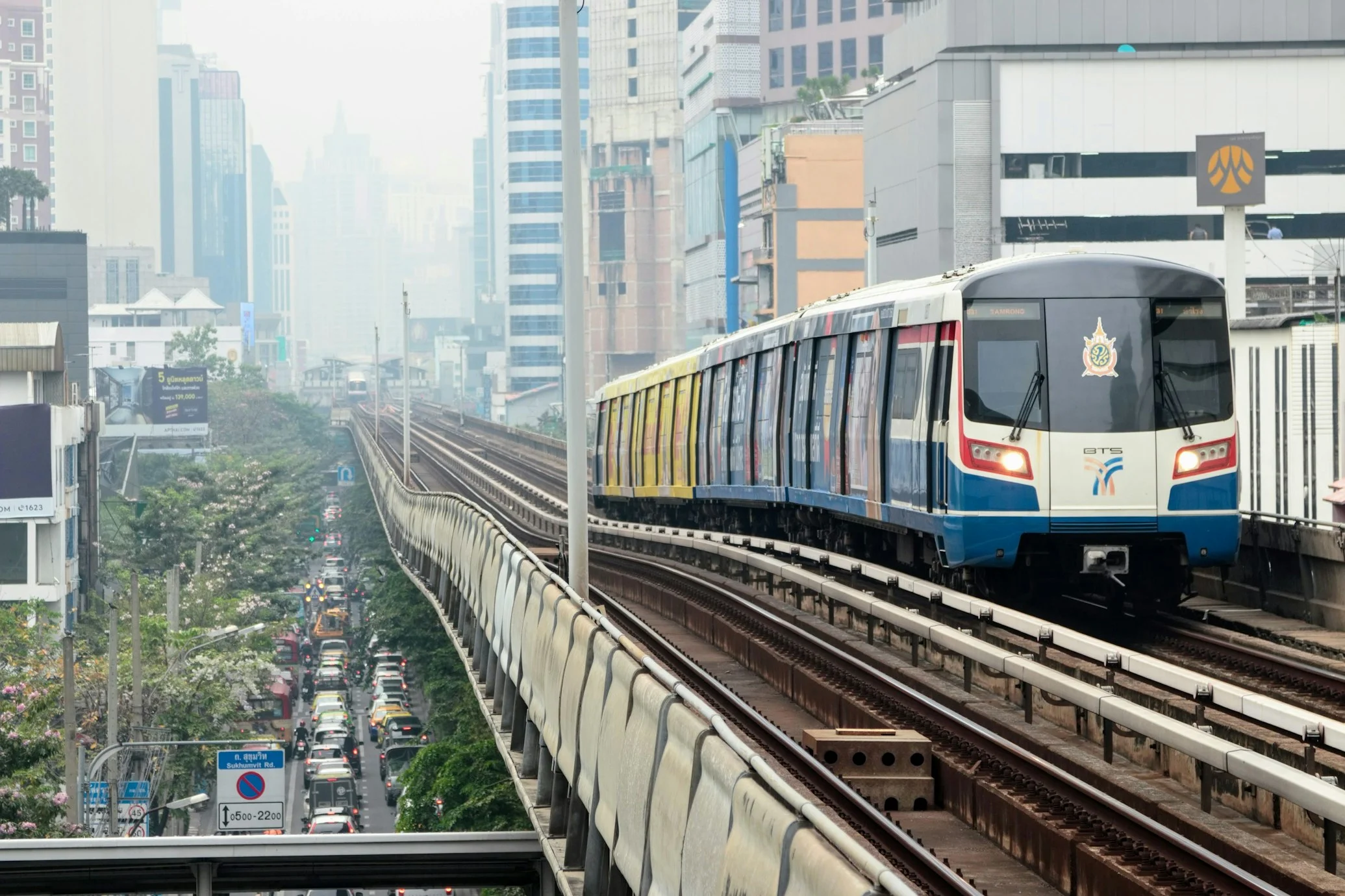
Transport costs vary significantly by city. Bangkok has the BTS and MRT which makes car and motorbike ownership optional. In Chiang Mai, Phuket, and Hua Hin, a motorbike is the practical default.
Transport type | Monthly cost |
|---|---|
Bangkok BTS unlimited monthly pass | 1,350 baht |
Motorbike rental (Chiang Mai/Phuket) | 3,000 to 4,500 baht |
Grab rides (Bangkok, 3 to 5 per day) | 6,000 to 12,000 baht |
Own motorbike (amortised) | 800 to 1,500 baht |
Own car (amortised + fuel) | 8,000 to 15,000 baht |
For a full breakdown of transport costs, read the transport costs in Thailand guide.
Utilities
Electricity is the one bill that surprises most new arrivals. Thailand uses a tiered pricing system and air conditioning use drives the cost significantly.
Utility | Monthly cost |
|---|---|
Electricity (no A/C or minimal use) | 400 to 800 baht |
Electricity (moderate A/C use) | 1,500 to 2,500 baht |
Electricity (heavy A/C use) | 3,000 to 4,500 baht |
Water | 100 to 200 baht |
Home fibre internet | 400 to 700 baht |
Thai SIM with data | 300 to 600 baht |
For the full utilities breakdown, read the utilities and internet in Thailand guide.
Healthcare and insurance
Health insurance is the bill most expats underestimate at the planning stage and regret skipping if something goes wrong. A 35-year-old can get basic international health insurance for 15,000 to 30,000 baht per year. A 60-year-old without pre-existing conditions pays 80,000 to 150,000 baht. Divide your annual premium by 12 and treat it as a fixed monthly cost from day one — not an optional extra.
Out-of-pocket costs without insurance are significant. A GP visit at a Bangkok private hospital runs 800 to 1,500 baht before tests. An emergency admission can reach 50,000 to 200,000 baht depending on the issue. For details on healthcare costs and insurance options, read the healthcare in Thailand guide.
Full monthly budget by spending level
Expense | Budget | Comfortable | Expat lifestyle |
|---|---|---|---|
Rent (1-bed, Chiang Mai) | 7,000 | 13,000 | 18,000 |
Food | 6,000 | 12,000 | 20,000 |
Transport | 2,500 | 4,000 | 8,000 |
Utilities | 1,500 | 2,500 | 3,500 |
Health insurance (monthly) | 1,500 | 2,500 | 5,000 |
Entertainment and misc | 2,000 | 6,000 | 12,000 |
Total (Chiang Mai) | ~20,500 | ~40,000 | ~66,500 |
For Bangkok, add 10,000 to 20,000 baht across the board driven almost entirely by higher rent. For Phuket, add 12,000 to 22,000 baht above Chiang Mai figures. For the honest look at what different budget levels actually buy in practice, read the guide to living in Thailand on $2,000 a month and the cheapest cities to live in Thailand guide.
Where to go from here
Cost is only one part of the decision. These guides go deeper on each element and on the city decisions that affect your budget most.
For city-specific costs: the cost of living in Chiang Mai and cost of living in Bangkok guides have full monthly figures broken down by neighbourhood and spending level.
For the city decision itself: the best cities to live in Thailand guide compares Bangkok, Chiang Mai, Phuket, and Hua Hin with honest trade-offs for each.
For healthcare costs in detail: the healthcare in Thailand guide covers hospital costs, insurance pricing by age, and what to budget for at different life stages.
For retirees planning a budget: the retiring in Thailand guide covers cost of retirement by city alongside visa and healthcare decisions in one place.
For renting: the renting in Thailand guide covers current rental prices neighbourhood by neighbourhood across every major expat city.