Thailand has several cities that work well for long-term expat living and each appeals to a different type of person. Chiang Mai wins on cost and community. Bangkok wins on infrastructure and convenience. Phuket wins on beach access and international connectivity.
How to choose
The best city to live in Thailand depends on four things: your budget, whether you need beach access, how important an expat community is, and what level of urban infrastructure you require day-to-day. No single city wins all four. Most people in the long-term expat community feel the pull toward Chiang Mai or Bangkok depending on whether they prioritise cost or infrastructure.
City comparison at a glance
City | Monthly budget | Beach? | Expat community | Best for |
|---|---|---|---|---|
🏙️ Bangkok | 55,000 to 85,000 baht | No | Large | Infrastructure, hospitals, convenience |
🌿 Chiang Mai | 35,000 to 55,000 baht | No | Large | Value, nomads, retirees on budget |
🏖️ Phuket | 55,000 to 85,000 baht | Yes | Medium | Beach lifestyle, families |
🌊 Hua Hin | 40,000 to 65,000 baht | Yes | Medium | Retirees, quieter beach life |
🏔️ Chiang Rai | 25,000 to 40,000 baht | No | Small but growing | Low cost, slower pace |
Bangkok: the city that has everything
Bangkok has the most of everything: hospitals, restaurants, shopping, transport, nightlife, culture, and international connections. The BTS and MRT make it manageable without a car. Bumrungrad and Samitivej represent the best private healthcare in Southeast Asia. Flights from Suvarnabhumi and Don Mueang connect to everywhere.
The cost is higher than other Thai cities. A comfortable single-person life costs 55,000 to 85,000 baht per month. Rent for a decent one-bedroom in Thonglor or Ekkamai runs 20,000 to 35,000 baht. There is no beach. Traffic is genuinely terrible outside BTS range.
Bangkok suits people who cannot compromise on urban infrastructure, need the best medical facilities, or run a business that requires frequent international travel. For everyone else it is a trade-off between convenience and cost. Read the Bangkok vs Chiang Mai comparison for the detailed breakdown.
Chiang Mai: the value champion
Chiang Mai is the single best-value city in Thailand for long-term living. The combination of good infrastructure, a large expat community, two solid private hospitals, excellent food, and low cost is hard to match anywhere in Southeast Asia. A comfortable life costs 35,000 to 55,000 baht per month. The digital nomad scene is the most developed in Thailand.
Rent for a good one-bedroom in Nimman or the Old City area runs 10,000 to 18,000 baht. Coworking spaces are plentiful and well-priced. Street food and local restaurants are outstanding. The expat community is large enough that finding your people is easy regardless of age or lifestyle.
The trade-offs are real. There is no beach. Air quality from February to April is a significant issue as agricultural burning fills the valley with smoke. The city is smaller than Bangkok and some people find it limiting after a few years. See the digital nomad city guide and the retirees city guide for full comparisons.
Phuket: the beach city
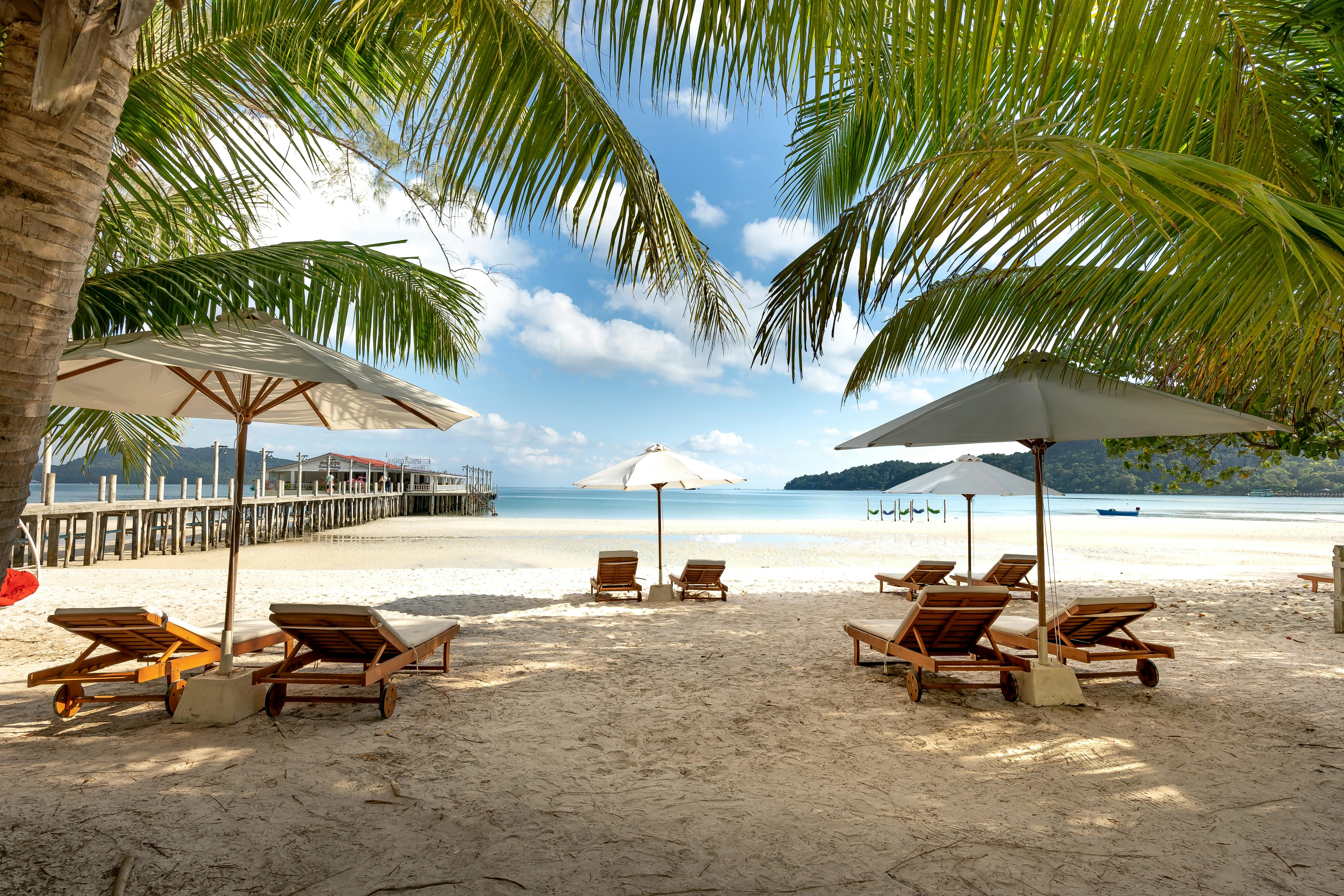
Phuket is the right choice if beach access is non-negotiable and budget is not the primary constraint. It has international hospitals, international schools, strong flight connections via Phuket International Airport, and the largest beach resort infrastructure in Thailand. Areas like Rawai, Chalong, and Laguna are significantly calmer than Patong and better suited to long-term living.
A comfortable life costs 55,000 to 85,000 baht per month, roughly comparable to Bangkok. Rents in quieter areas run 15,000 to 30,000 baht for a decent one-bedroom. The tourist industry inflates prices in tourist-facing areas and creates seasonal crowd patterns that affect daily life. For a full assessment, read the beach city guide.
Hua Hin: the retiree sweet spot
Hua Hin is the best choice for retirees who want beach access at lower cost than Phuket with proximity to Bangkok. The drive to Bangkok is around 2.5 to 3 hours and many Hua Hin residents make regular Bangkok trips for specialist medical appointments or airport connections. The expat community is established and skews older, making it particularly comfortable for retirees.
Monthly costs run 40,000 to 65,000 baht comfortably. Bangkok Hospital Hua Hin handles most everyday healthcare needs. The pace is slower than any of the other cities on this list, which is either a selling point or a drawback depending on who you are.
Chiang Rai: the underrated option
Chiang Rai is cheaper than Chiang Mai with a growing expat community and a noticeably slower pace. Monthly costs run 25,000 to 40,000 baht for a comfortable life. The city is small enough that the tourist infrastructure is limited, but it has enough amenities to make long-term living workable. It suits people who have already done time in Chiang Mai and want a quieter version of the same northern Thailand lifestyle at lower cost.
The main limitation is medical care. Serious healthcare needs require a trip to Chiang Mai. For anyone with ongoing health requirements, this is a significant drawback.
Smaller towns worth considering
Kanchanaburi, Pai, and Mae Hong Son attract long-stay travellers but have limited expat infrastructure and healthcare access. They suit people who are genuinely comfortable with a rural lifestyle and can travel to a larger city for medical needs. Read the small town living guide for the full picture. For families specifically, read the guide to the best city for families in Thailand.
Where to go from here
Choosing a city is just the start. These guides go deeper on what living in each place actually costs and looks like day to day.
For Bangkok: the Bangkok travel guide covers neighbourhoods, transport, and cost of living in detail. The cost of living in Bangkok guide has monthly figures at three spending levels.
For Chiang Mai: the Chiang Mai expat guide covers the city in full. The cost of living in Chiang Mai guide breaks down every major expense by neighbourhood.
For Phuket: the Phuket guide covers which areas work for long-term living versus short visits.
For visa options that affect where you can live: the Thailand visa guide covers every route from the 60-day exemption to the 10-year LTR visa.
For healthcare across cities: the healthcare in Thailand guide covers hospital quality and insurance by city.