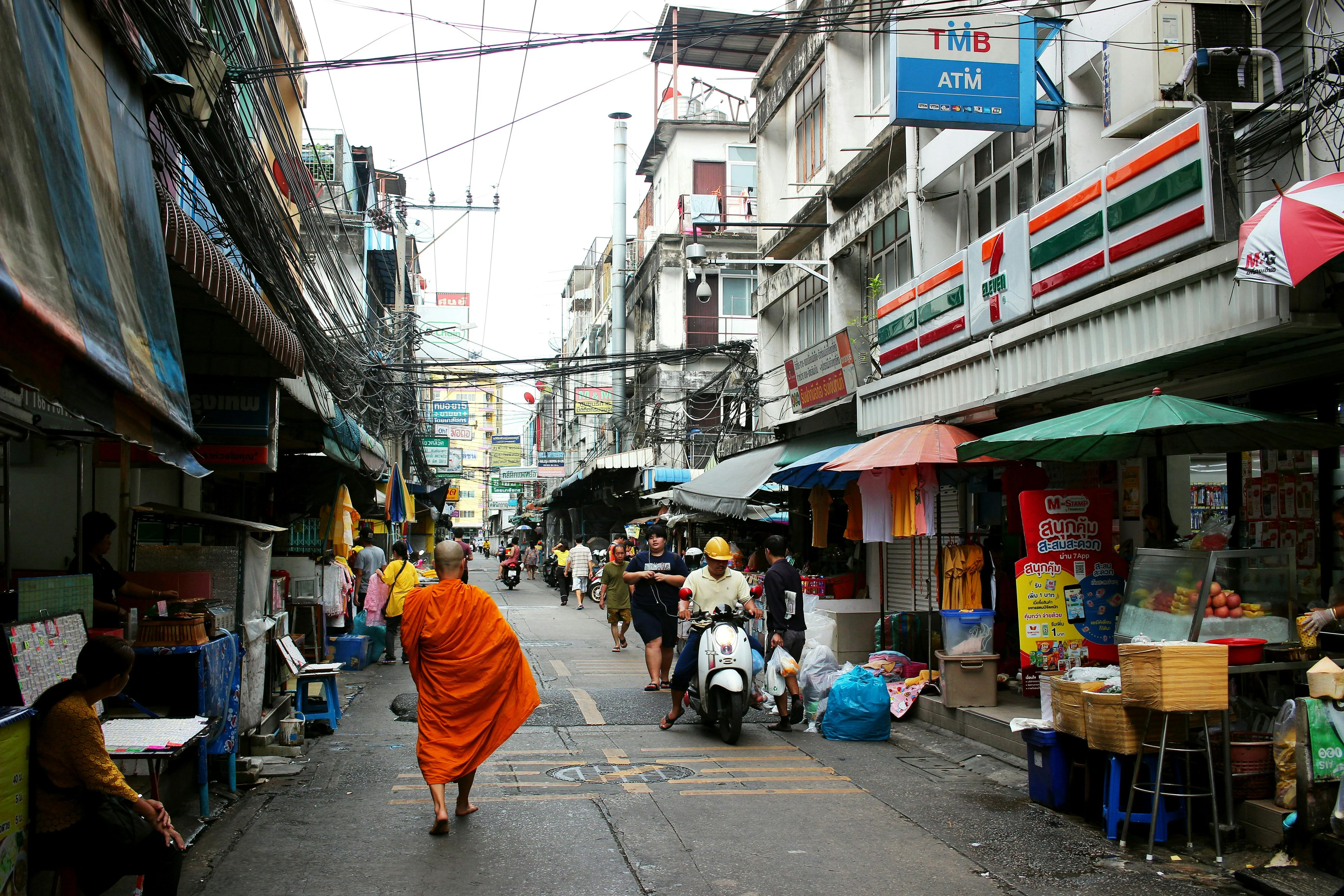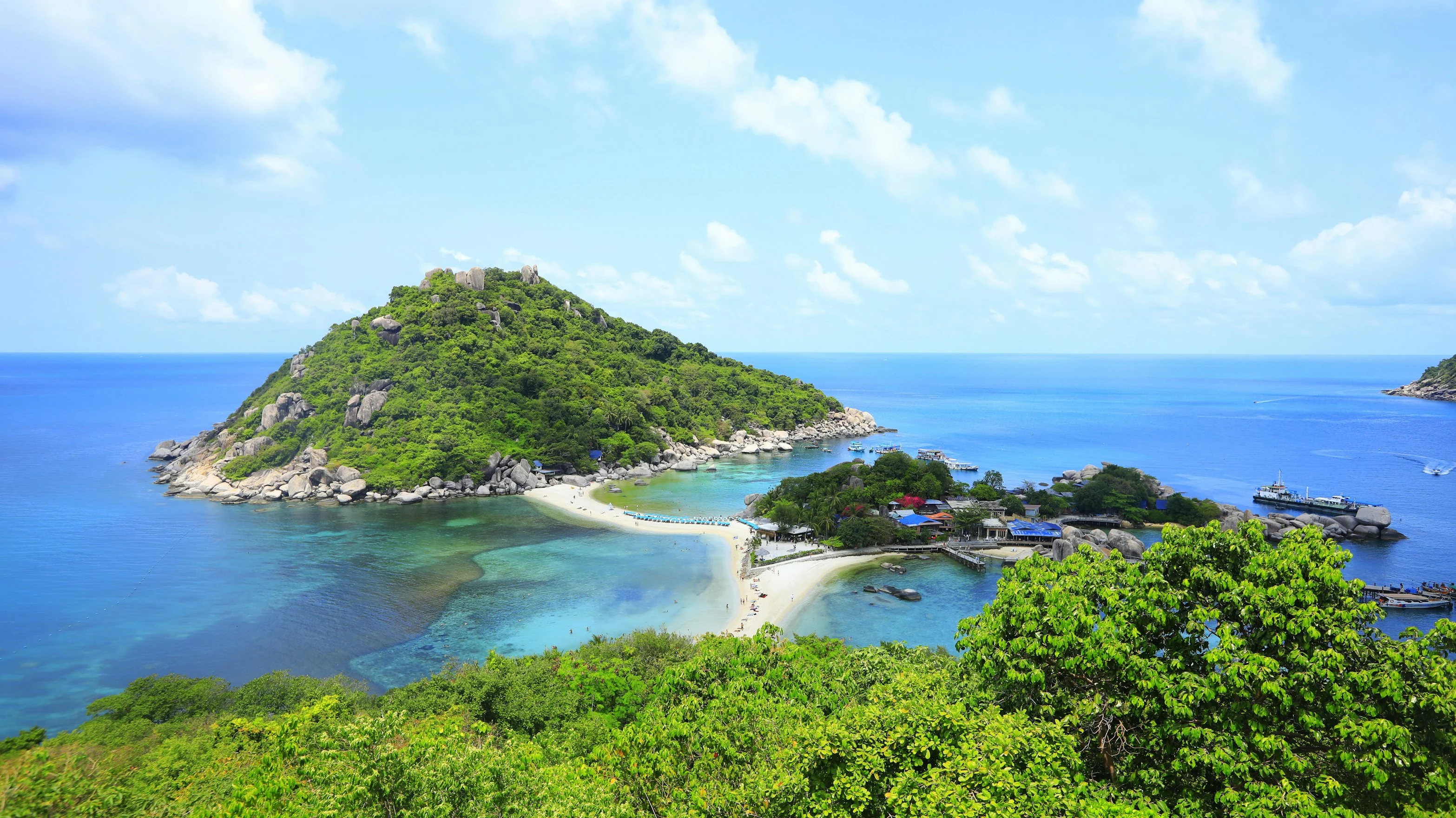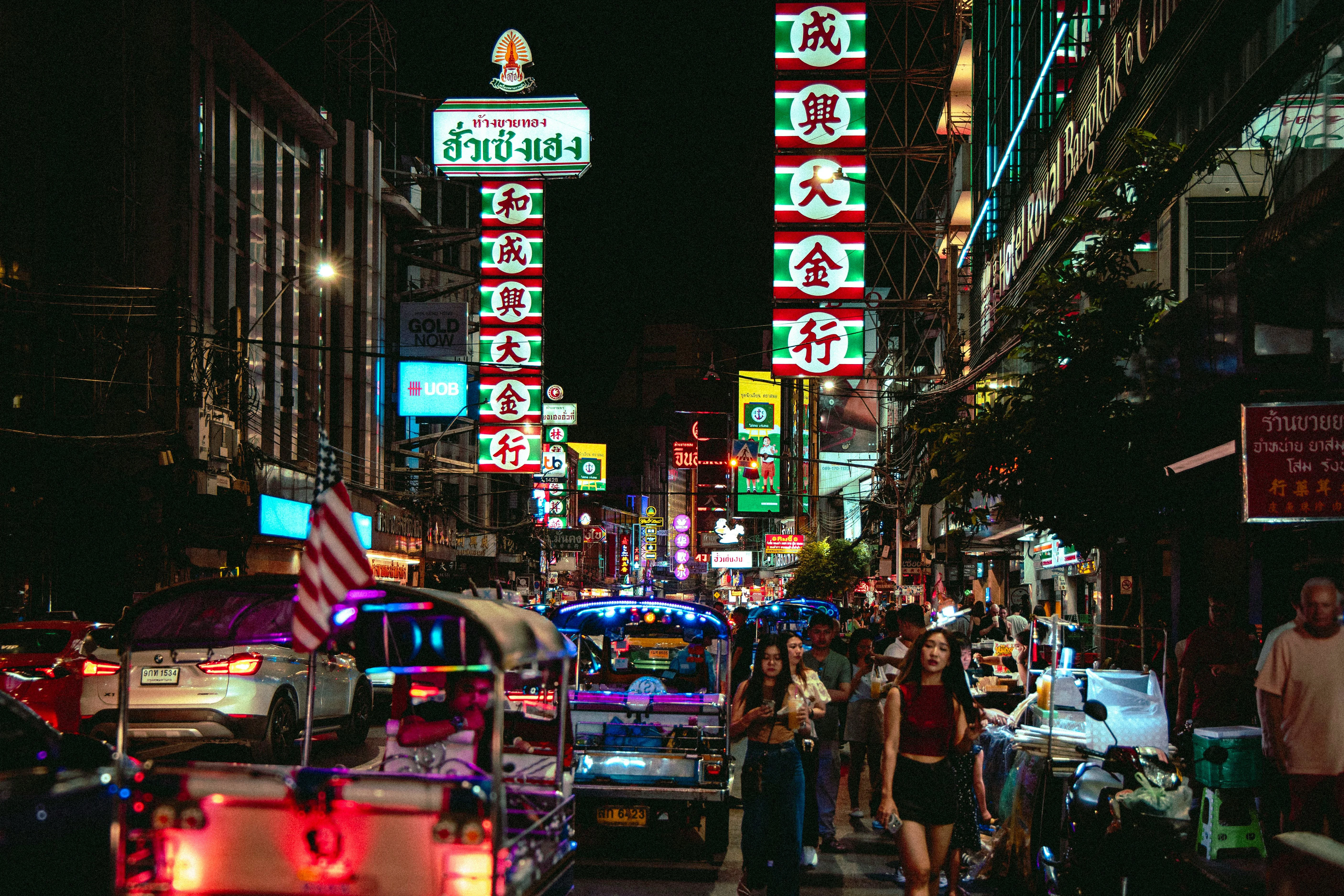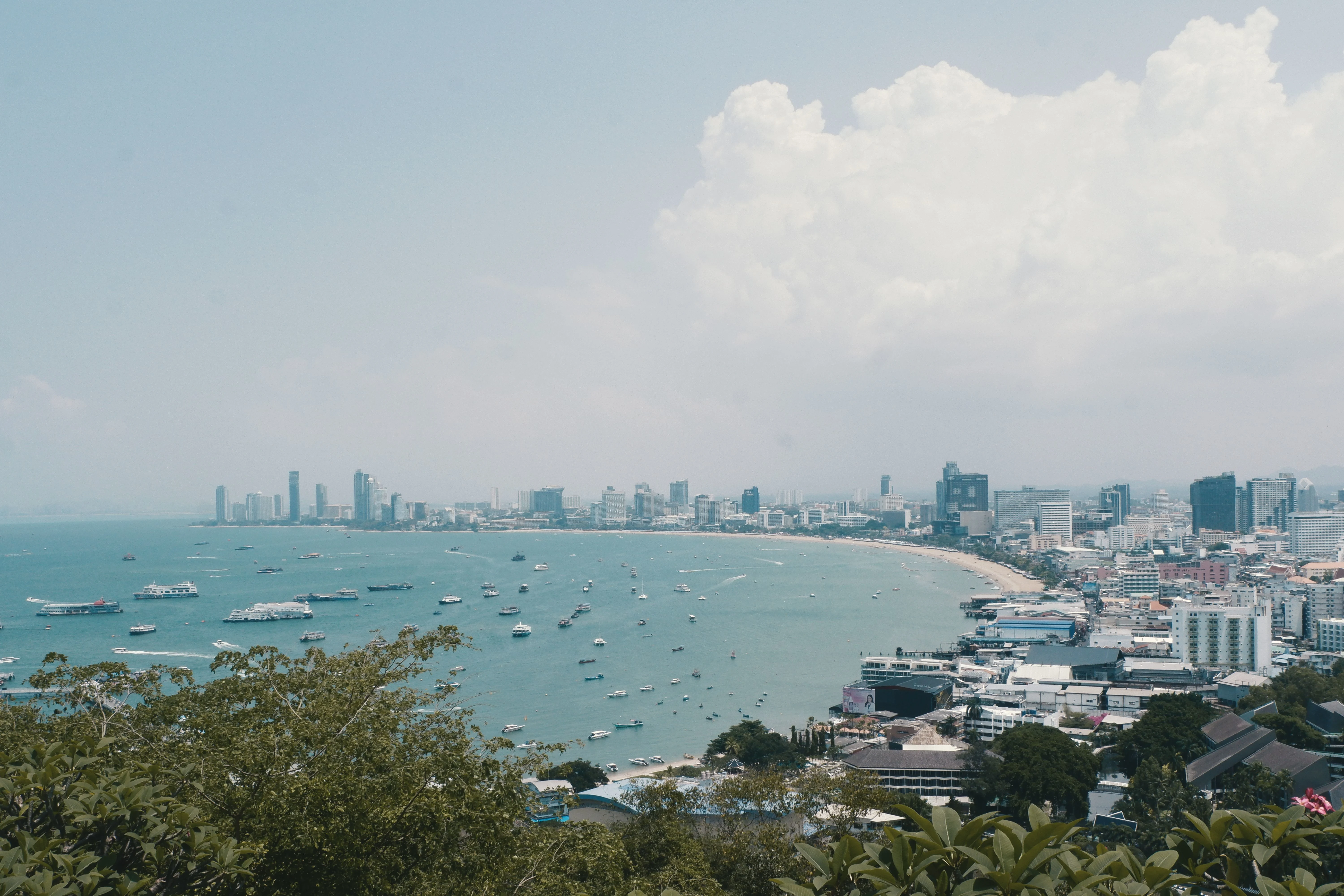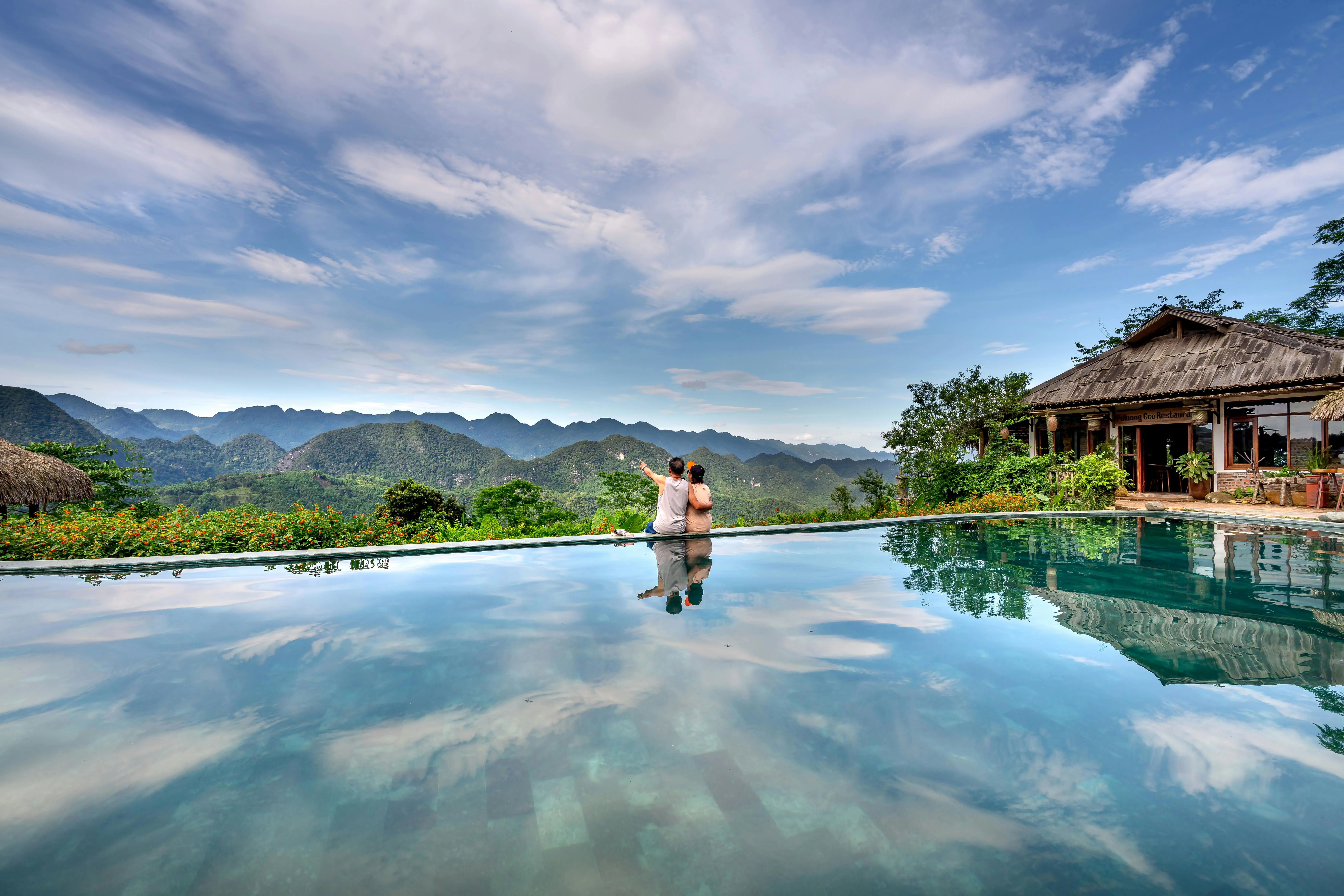
Thailand remains one of the most popular retirement destinations in the world. Low cost of living, warm climate, excellent private healthcare, and a large expat community across multiple cities. The retirement visa (Non-OA) is available from age 50 and requires proof of income or savings.
Why retirees choose Thailand
Thailand combines several conditions that are genuinely hard to find together: warm weather year-round, low cost of living relative to Western countries, good private hospitals in major cities, a large English-speaking expat community, and interesting culture and food. The infrastructure in cities like Chiang Mai and Hua Hin has grown specifically around the long-term expat population and makes daily life comfortable in a way that requires no adjustment period.
The lifestyle available in Thailand for 40,000 to 65,000 baht per month would cost significantly more in Europe, Australia, or North America. For retirees on pension income or investment returns, Thailand is one of the few places where a Western middle-class income creates an upper-middle-class life.
Retirement costs by city
City | Monthly cost (couple) | Beach? | Best for |
|---|---|---|---|
🌿 Chiang Mai | 45,000 to 65,000 baht | No | Best value, largest community |
🌊 Hua Hin | 50,000 to 70,000 baht | Yes | Retiree-specific scene, near Bangkok |
🏖️ Phuket | 60,000 to 90,000 baht | Yes | Beach lifestyle, international facilities |
🏙️ Bangkok | 65,000 to 95,000 baht | No | Best hospitals, maximum infrastructure |
🏔️ Chiang Rai | 30,000 to 45,000 baht | No | Lowest cost, slower pace |
What retirement costs in Thailand
A comfortable retirement in Chiang Mai costs 45,000 to 65,000 baht per month for a couple. This covers a good two-bedroom apartment at 12,000 to 18,000 baht, daily restaurant meals, transport, health insurance contributions, and moderate entertainment. Hua Hin runs slightly higher at 50,000 to 70,000 baht for a comparable lifestyle. Phuket and Bangkok both push toward 60,000 to 90,000 baht for a couple living comfortably.
The biggest variable in any retirement budget is health insurance. A comprehensive international policy for a couple in their 60s costs 80,000 to 150,000 baht per year depending on age, coverage level, and provider. This single line item can shift a monthly budget by 7,000 to 12,000 baht. For detailed breakdowns by city and spending level, read the retirement budget in Thailand guide.
Visa options for retirees
Visa | Age requirement | Cost | Duration | Key requirement |
|---|---|---|---|---|
🏖️ Retirement (Non-OA) | 50+ | 1,900 baht/yr | 1 year renewable | 800,000 baht in Thai bank or 65,000 baht/month income |
💎 Privilege Card | None | 650,000 to 2,500,000 baht | 5 to 15 years | None |
🌟 LTR Wealthy Pensioner | None | ~50,000 baht | 10 years | USD 40,000/yr pension income |
💻 DTV | None | 10,000 baht | 180 days/entry | 500,000 baht savings |
For retirees aged 50 and over, the Non-OA retirement visa is the standard starting point. It requires either 800,000 baht in a Thai bank account or 65,000 baht per month in verifiable pension or investment income, plus a qualifying health insurance policy. It renews annually at your local immigration office. For the full requirements and renewal process, read the Thailand retirement visa guide.
For retirees under 50 or anyone who wants to avoid the annual renewal process, the Thailand Privilege Card is the most accessible alternative. It requires no income documentation and no annual visits to immigration. Read the Thailand Privilege Card guide for tier costs and what each level includes. For a dedicated guide to options below age 50, see retiring in Thailand under 50.
Where to retire in Thailand
Chiang Mai has the most affordable costs and the most established expat and retiree community. Regular meetups, volunteer opportunities, activity groups, and a large pool of English-speaking residents make social integration straightforward. The main drawbacks are no beach access and significant air quality issues from February to April.
Hua Hin has a large retiree-specific community with golf clubs, social clubs, and charity events. The drive to Bangkok is 2.5 to 3 hours, making it practical for specialist medical appointments and airport connections. Monthly costs are moderate and beach access is good. It suits retirees who want a quieter lifestyle without being far from a major city.
Phuket is the right choice if beach access is non-negotiable and budget is not the primary constraint. International Hospital Phuket and Bangkok Hospital Phuket cover most medical needs. Areas like Rawai and Chalong are quieter than Patong and better suited to long-term living. Read the best places to retire in Thailand guide for a full city-by-city breakdown.
Healthcare for retirees
Healthcare is the most important planning consideration for any retirement in Thailand. The private hospital system is excellent in major cities — Bumrungrad and Samitivej in Bangkok, Chiang Mai Ram and Bangkok Hospital Chiang Mai in Chiang Mai — but limited in rural areas and on smaller islands. Treatment costs at private hospitals are a fraction of US prices but still significant without insurance.
International health insurance becomes progressively more expensive with age. A couple in their early 60s should budget 80,000 to 120,000 baht per year for a solid international policy. Waiting until you are already in Thailand to sort insurance is a common mistake — some providers will not cover pre-existing conditions identified after a policy start date. Read the healthcare for retirees guide and the broader Thailand healthcare guide before making any coverage decisions.
The expat community
Thailand has established expat communities in all major retiree destinations. Chiang Mai's community is the most active with regular meetups, hash runs, and a wide range of interest groups. Hua Hin has the most retiree-specific social infrastructure with golf societies, international clubs, and charity organisations. Phuket has a more transient expat population that becomes more stable in the longer-stay communities around Rawai and Nai Harn. Read the expat community guide for what each city's social scene actually looks like.
Where to go from here
Retiring in Thailand involves several decisions that each need their own research. These guides go deeper on each one.
For the visa: the Thailand retirement visa guide covers the 800,000 baht bank method, health insurance requirements, and the annual renewal process in full.
For the city decision: the best cities to live in Thailand guide compares Bangkok, Chiang Mai, Phuket, Hua Hin, and Chiang Rai with monthly cost figures and honest drawbacks for each.
For healthcare: the healthcare in Thailand guide covers hospital quality, insurance options, and what to plan for by city.
For banking: the banking in Thailand guide covers how to open a Thai bank account for the retirement visa 800,000 baht requirement.
For property: the foreigners buying property in Thailand guide covers what retirees can and cannot own and how leasehold works in practice.