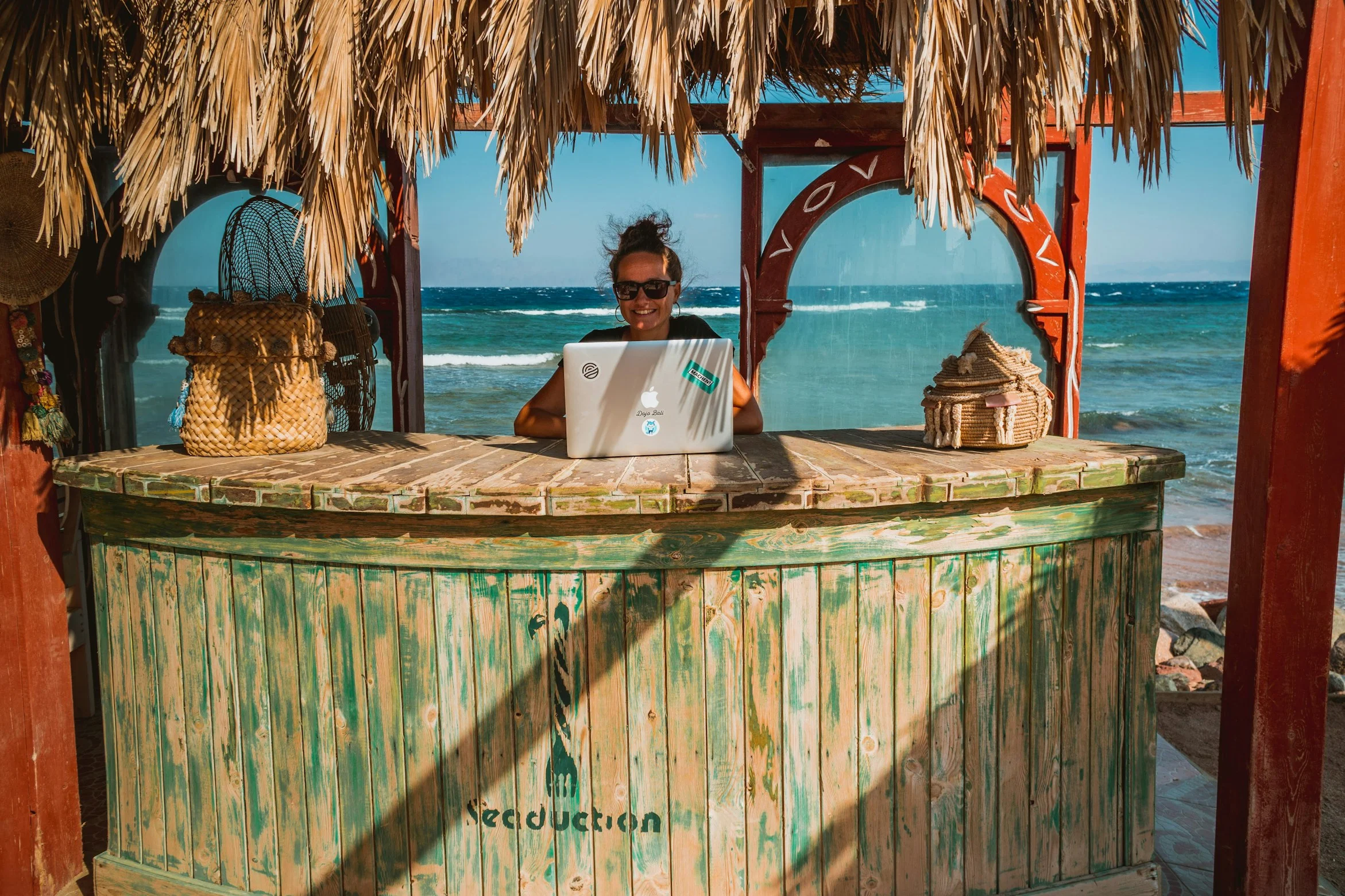
Phuket for Digital Nomads 2026: Rawai, Old Town, and the Real Costs
Phuket is not Chiang Mai. It does not have the concentrated nomad infrastructure of Nimman, the self-reinforcing community of weekly meetups and shared co-working routines, or the price point that makes a month in Thailand feel like a financial relief. What it has is a beach you can swim in, a jungle you can zipline through, and a sunset that will make you close your laptop ten minutes early every single evening.
Whether that trade-off works for you depends on what you actually need from a base. This guide covers the real costs, the best areas, the coworking spaces with verified Google Maps data, and the cafes that nomads actually work from.
Is Phuket Right for Your Remote Work Setup?
The honest comparison: Phuket costs 20 to 30 percent more than Chiang Mai for a comparable nomad lifestyle. The internet is fast and reliable. The coworking infrastructure exists but is smaller and more spread out than Chiang Mai's. The social nomad community is growing but has not reached the critical mass that makes Chiang Mai socially self-sustaining for newcomers.
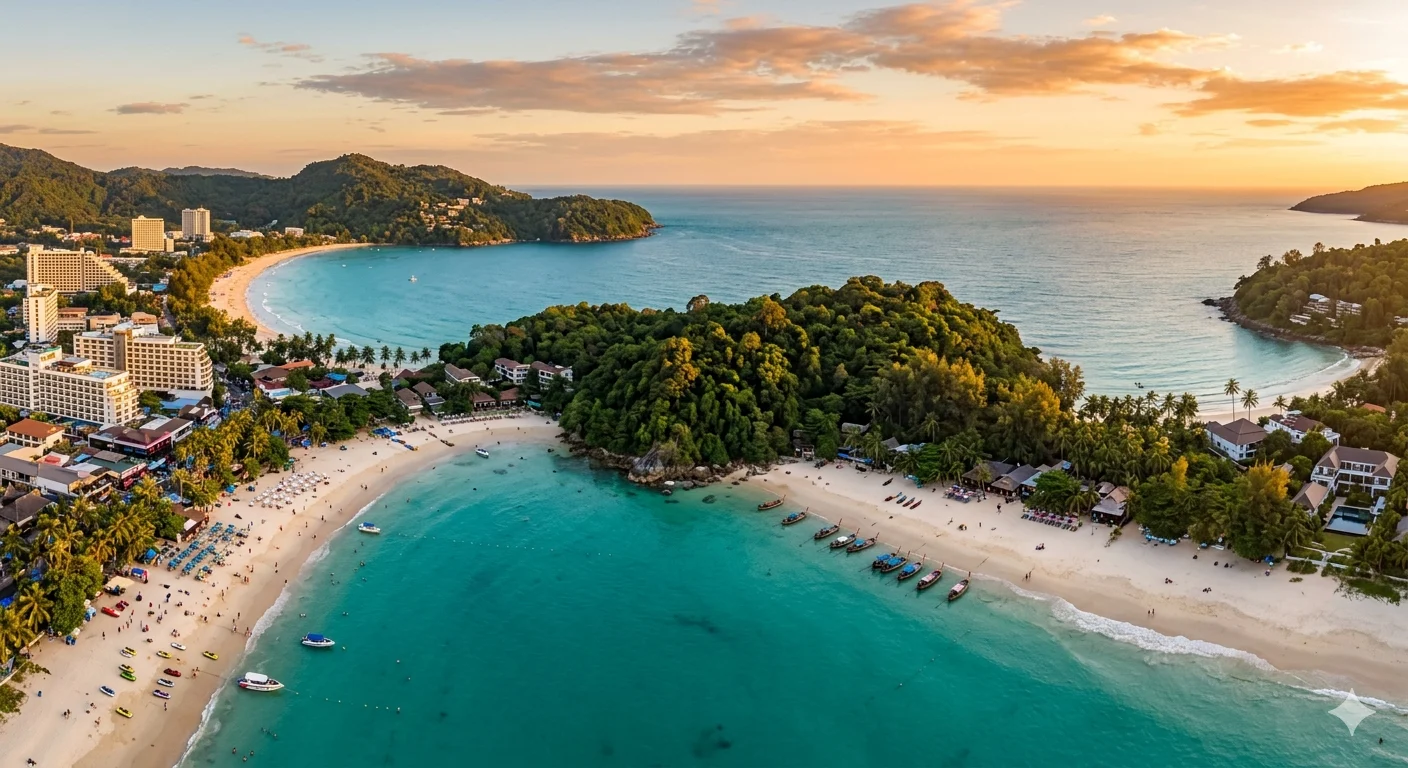
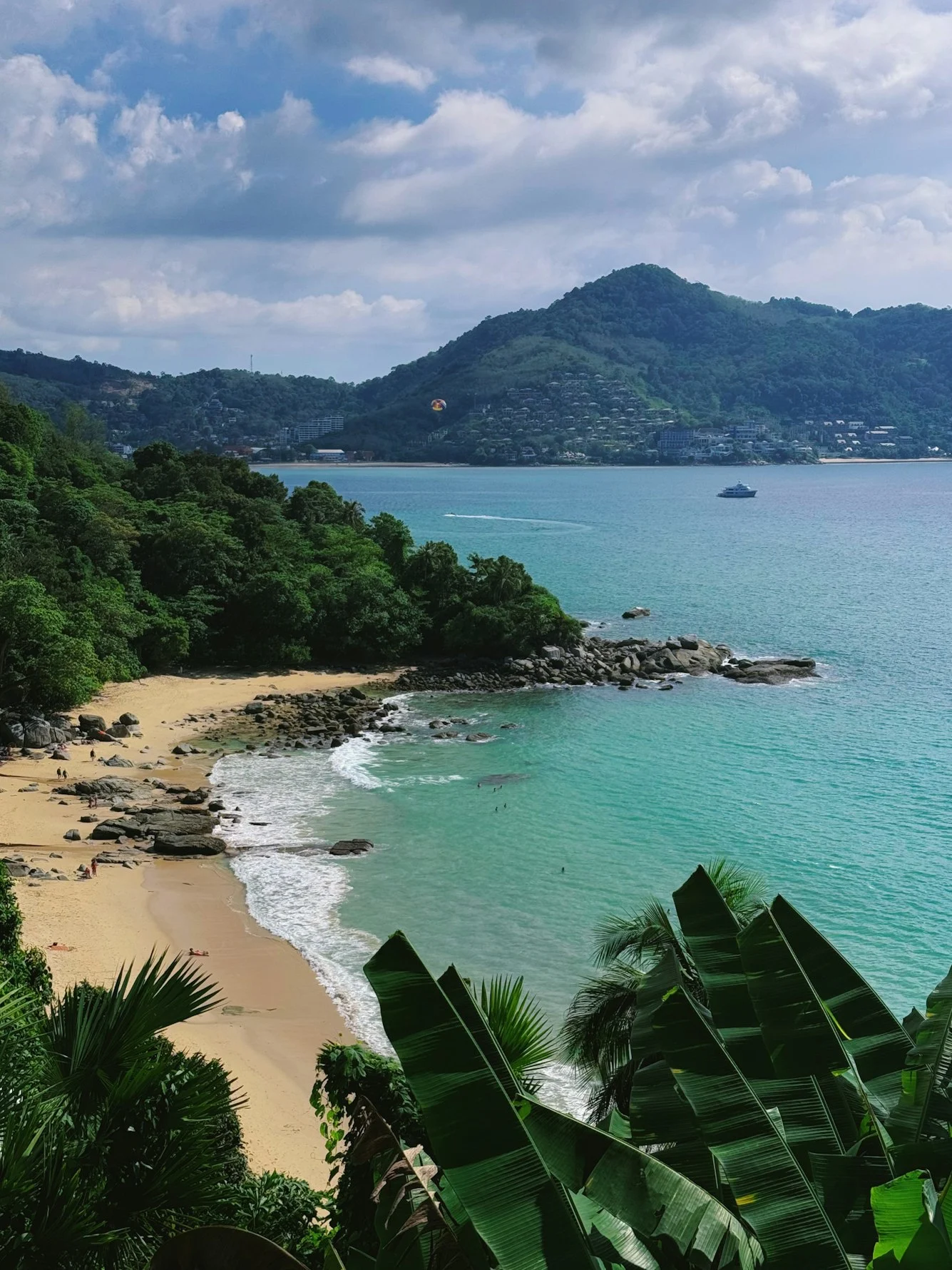
What Phuket offers that Chiang Mai cannot: a beach within scooter range, genuinely excellent snorkelling and island-hopping on days off, no burning season, and a year-round outdoor lifestyle that rewards people who want their non-working hours to feel like a payoff rather than an afterthought.
If your work requires intense focus blocks and you build social connection through co-working community, Chiang Mai is the more efficient base. If you want to close the laptop at 5pm and be at Nai Harn beach in 20 minutes, Phuket is the better choice and the higher cost is the price of that. For the full Thailand nomad city comparison: Best City for Digital Nomads in Thailand 2026.
The Best Areas for Digital Nomads
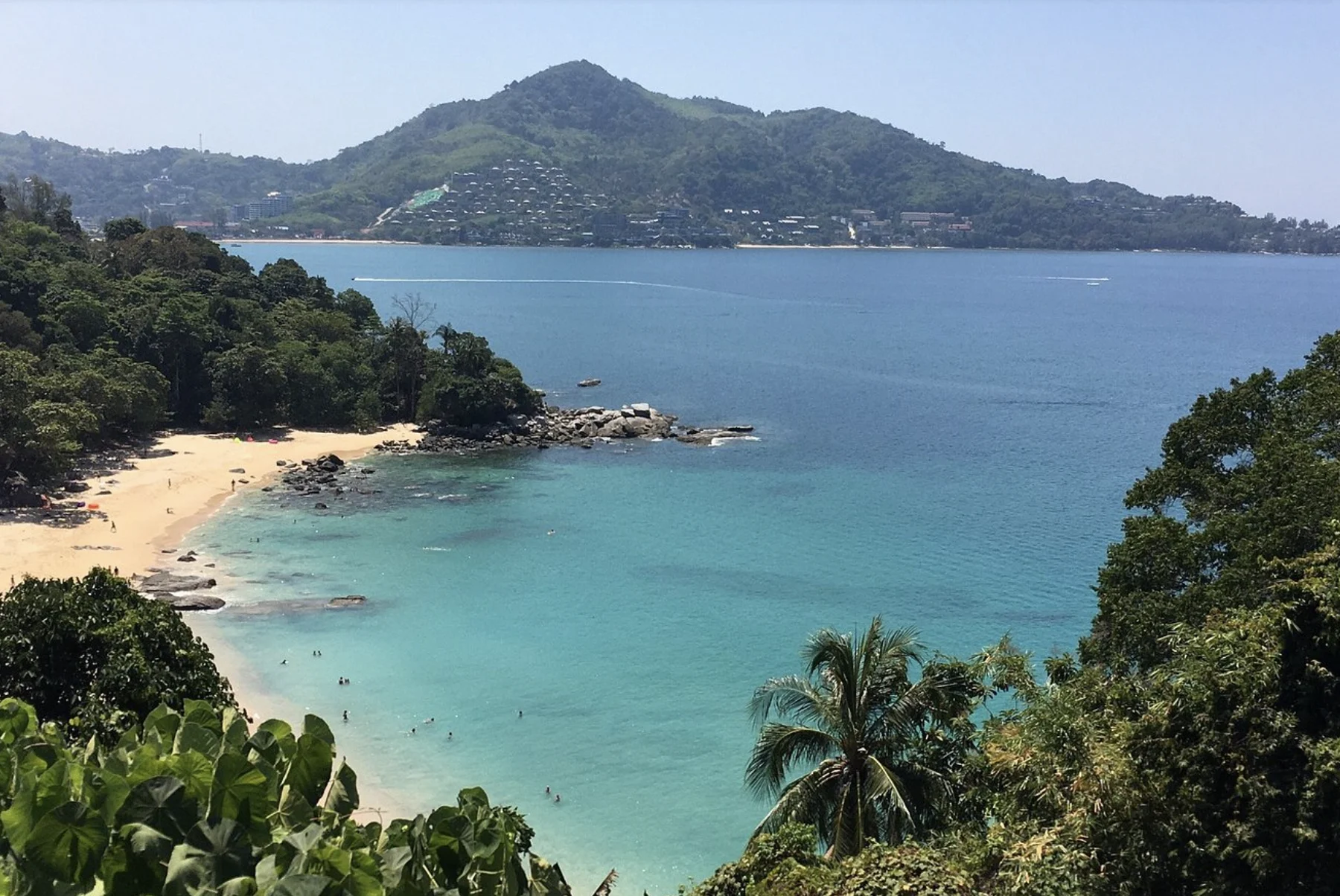
Rawai and Nai Harn: The Nomad Default
Rawai is the unofficial digital nomad capital of Phuket and the default recommendation for anyone staying a month or longer. The expat community is large and genuinely mixed in age and profession. The fitness culture is the strongest on the island: Muay Thai gyms, CrossFit boxes, yoga studios, and surf lessons all operate within a compact area. The best coworking spaces on the island are here. Nai Harn beach, consistently rated the best beach on the island, is a 10-minute scooter ride.
The pace is slower than Patong and more residential than Phuket Town. The restaurants in Rawai serve the community rather than tourists, which means better food at lower prices and regular faces within a few weeks of arriving.
Monthly rent (1BR condo): 15,000–28,000 baht Day pass (coworking): 150–350 baht Best for: Long stays, fitness-focused nomads, couples, anyone who wants the best beach-to-work ratio on the island
Phuket Town (Old Town): The Budget Base
Phuket Town is the cheapest area on the island with the best food scene, the most interesting streets to walk, and the most genuine local character outside the resort belts. The Sino-Portuguese architecture of the Old Town makes it visually distinctive in a way that most of Phuket's beach areas are not. The night markets, weekend markets, and local restaurant density make it the place most nomads eat best.
The honest limitation is beach distance. Getting to any west coast swimming beach from Phuket Town takes 20 to 40 minutes. For nomads who work intensely during the week and use weekends for beach days, the distance is manageable.
Monthly rent (studio/1BR): 10,000–18,000 baht Day pass (coworking): 250–400 baht Best for: Budget-conscious nomads, food-focused travellers, photographers, anyone who values culture and food over beach proximity
Chalong: The Practical Middle Ground
Chalong sits between Rawai and Phuket Town and functions as the island's practical hub. The yacht marina, the main Muay Thai camps, and easy road access to every other part of the island make it the most centrally connected neighbourhood on the island. Reasonable rents and easy beach access via scooter make it a solid base for nomads who plan to move around the island regularly.
Monthly rent (1BR condo): 12,000–22,000 baht Best for: Nomads who want central island access, Muay Thai training, flexibility to reach multiple areas easily
Bang Tao and Cherngtalay: The Upscale Option
Bang Tao has the longest beach on the island, the best beach clubs, and the highest-quality cafe and restaurant scene outside the Old Town. HOMA Cherngtalay operates here as an integrated co-living and co-working option. The area attracts a more polished nomad crowd: professionals with higher budgets who want the lifestyle proximity of the beach clubs alongside functional workspace.
Monthly rent (1BR condo): 20,000–45,000 baht Best for: Higher-budget nomads, those who want beach club access, long-stay professionals
Coworking Spaces: Verified Data 2026

Phuket's coworking infrastructure concentrates in Rawai, Chalong, and Phuket Town. Choose accommodation in the area where your preferred coworking space is. The island is large enough that daily commutes between areas add meaningful time to the working day.
Rawai and Nai Harn
Let's Work ⭐ 4.9/5 · 296 reviews · 469/3 Wiset Rd, Rawai
The highest-rated coworking space in Phuket. Sits on Rawai Beach Road with sea views, a no-talk focus zone, a social zone, and a community manager who organises events. Reviewers consistently mention making genuine long-term connections here. One reviewer who has worked from coworking spaces worldwide called it the best they have used. The 8am to midnight weekday hours are the longest of any space in the south.
⏰ Mon–Fri 8am–midnight · Sat–Sun 8am–8pm
💻 Day pass: ~350 baht
📶 WiFi: 200–300 Mbps
📞 +66 96 654 3331
Grind Time Coworking Space ⭐ 4.9/5 · 121 reviews · 48/17-18 Wiset Rd, Rawai
Two floors, quiet area, chill area, private phone boxes for calls, and 24/7 access. Optional monitor, keyboard, and mouse rental for dedicated desk bookings. Gym access included for members. One of the few 24/7 options in Rawai for nomads working across time zones. The space above doubles as a hostel which makes it one of the rare options where you can sleep directly above your desk.
⏰ 24/7
💻 Day pass: from 250 baht · Week pass: 1,873 baht (includes monitor setup)
📶 WiFi: Fast and stable
Selina Cowork ⭐ 5.0/5 · Rawai (beachside)
A small, perfectly rated coworking space right on the water in Rawai. Sea views from every working position, pool access for breaks, free coffee, and a calm atmosphere that reviewers consistently describe as the best working environment on the island. Limited capacity so arrive early. Workshops and nomad networking events run regularly.
⏰ 24/7
💳 Contact directly for day pass rate
📶 WiFi: Fast, reliable
📞 +66 99 701 7033
Chalong
PLACE COWORKING PHUKET ⭐ 4.8/5 · 119 reviews · 59/2 Thanon Chao Fah Tawan Tok, Chalong
Quiet, spacious, and open until 11pm which makes it one of the most practical options for nomads with evening work schedules. Multiple seating configurations, good WiFi, and a cafe on-site. Has a dedicated podcast and video production studio alongside the standard coworking desks. The 30-minute scooter ride from Old Town is the honest trade-off for the quieter environment and longer hours.
⏰ Daily 9am–11pm
💻 Day pass: contact directly
📶 WiFi: Very good
📞 +66 95 117 0481
Crypto Coff — Cafe Phuket & Coworking Space ⭐ 4.7/5 · 221 reviews · 5/15 Thanon Chao Fah Tawan Tok, Chalong
A coworking cafe in Chalong that works particularly well for nomads who want natural light and a less corporate environment. Second floor has a dedicated meeting room. The name reflects the crypto/startup community that gravitates here but the space is functional for any type of remote work. Plenty of natural light, comfortable seating, and a menu that covers the working day from 8am to 7pm.
⏰ Daily 8am–7pm
📶 WiFi: Good
📞 +66 76 682 246
Patong and Kathu
Denz CoWorking Cafe ⭐ 5.0/5 · 163 reviews · Soi Khuanyang, Kathu (mountain road between Kathu and Patong)
Rated 5.0 across 163 reviews which is the highest score of any coworking space in Phuket. Perched on the mountain road between Kathu and Patong with panoramic views over Patong Bay that make work feel genuinely different from anywhere else on the island. Full food service, friendly owners, five resident dogs, and a sunset that reviewers specifically mention as a working environment highlight. Open weekdays only.
⏰ Mon–Fri 10am–11:30pm · Closed weekends
💻 Day pass: ~250 baht
📶 WiFi: Good
📞 +66 63 917 7720
Phuket Town
HOMA Phuket Town ⭐ 4.7/5 · 886 reviews · 3/41 Soi Samkong 1, Ratsada
The most reviewed coworking option in Phuket Town and the most complete all-in-one solution. Combines co-living accommodation with coworking, gym access, and a rooftop pool across multiple Phuket properties. The coworking membership at 3,500 baht per month includes pool and gym access at all three HOMA locations. Best suited to nomads who want accommodation and workspace handled in a single booking rather than managing them separately.
💻 Coworking membership: 3,500 baht/month
📶 WiFi: Fast and practical for real work
📞 +66 76 540 799
Momentary Coffee & Host-tell ⭐ 4.8/5 · 54 reviews · 56/3-4 Ranong Rd, Old Town
A cafe and coworking hybrid in a beautifully restored Sino-Portuguese villa in the heart of Old Town. The mix of indoor and outdoor spaces, specialty coffee, and genuinely interesting architectural surroundings make it the best cafe working environment in Phuket Town. Open Thursday to Sunday only which limits it to a supplemental option rather than a daily base.
⏰ Thu–Sun 1pm–6pm · Closed Mon–Wed
📞 +66 93 632 7264
Coworking Quick Reference
Space | Area | Rating | Day Pass | Hours |
|---|---|---|---|---|
Let's Work | Rawai | 4.9/5 | ~350 baht | Mon–Fri 8am–midnight |
Grind Time | Rawai | 4.9/5 | From 250 baht | 24/7 |
Selina Cowork | Rawai | 5.0/5 | Contact directly | 24/7 |
PLACE Coworking | Chalong | 4.8/5 | Contact directly | Daily 9am–11pm |
Crypto Coff | Chalong | 4.7/5 | Contact directly | Daily 8am–7pm |
Denz CoWorking | Kathu | 5.0/5 | ~250 baht | Mon–Fri 10am–11:30pm |
HOMA Phuket Town | Phuket Town | 4.7/5 | 3,500 baht/month | Business hours |
Momentary Coffee | Phuket Town | 4.8/5 | Cafe format | Thu–Sun 1pm–6pm |
Nomad-Friendly Cafes
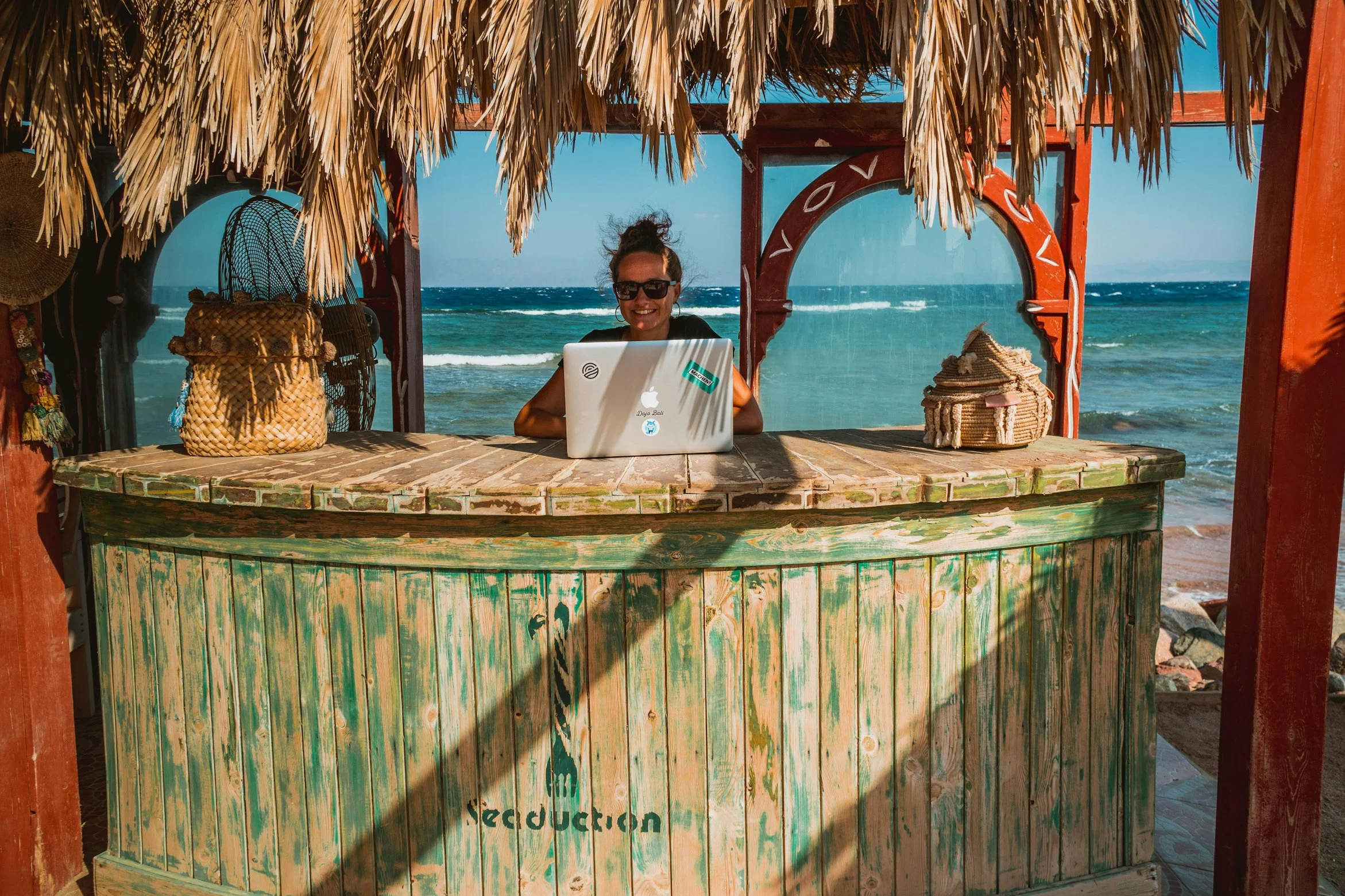
Not every work session needs a dedicated coworking space. These cafes have reliable WiFi, power points, enough space to work without pressure to leave, and the kind of coffee that makes a 3-hour session feel easy.
Rawai
Crème Café Phuket ⭐ 4.8/5 · 1,094 reviews · 35/28 Soi Naya, Rawai
One of the most consistently reviewed cafes in Rawai with over a thousand ratings at 4.8. The food covers breakfast and lunch properly rather than just pastries, the staff are welcoming to laptop workers, and both indoor and outdoor seating are available. Reviewers mention the strawberry matcha and truffle pasta specifically. Opens at 8am which suits early starters before the coworking spaces fill up.
⏰ Daily 8am–5pm
📞 +66 80 654 5718
Coffee Tribe Cafe ⭐ 4.5/5 · 489 reviews · 83/13 Rawai
The most practical daily work cafe in Rawai. Opens at 7am, air-conditioned throughout, Western and Thai food options, and a consistency that regulars rely on across multiple seasons. One reviewer mentions coming every day for months with staff remembering their order. The early opening makes it the right spot for nomads who need to start work before the coworking spaces open.
⏰ Daily 7am–5pm
📞 +66 87 380 9500
HOME 67 Cafe ⭐ 5.0/5 · 162 reviews · 67 Rawai
Perfect score across 162 reviews makes this the highest-rated cafe in Rawai. Reviewers describe the tiramisu as better than anything in Italy and the matcha as exceptional. The quiet residential location and consistent quality make it the right afternoon work spot when the more popular cafes get crowded. Closed Wednesdays.
⏰ Mon–Tue, Thu–Sun 9am–5:30pm · Closed Wednesday
📞 +66 76 613 259
Summore Day Cafe ⭐ 4.7/5 · 1,707 reviews · 94 Wiset Rd, near Yanui Beach
The most reviewed cafe in the Rawai area. Sits on a clifftop above Yanui Beach with ocean views, koi pond, and both indoor AC and outdoor breezy seating. This is not a focus-work cafe. It is the place you go for a working afternoon when the view matters as much as the WiFi. Reviewers specifically mention it as a must-visit for the sunset. Best for deep-work sessions that benefit from a change of scenery.
⏰ Daily 10am–8pm
📞 +66 83 509 6333
Phuket Town
Momentary Coffee & Host-tell ⭐ 4.8/5 · Ranong Rd, Old Town
Already listed in the coworking section above, worth including here for the cafe experience specifically. The specialty coffee, the restored villa setting, and the Thursday-to-Sunday schedule make it the most atmospheric working spot in Old Town. Thursday afternoon sessions here are particularly productive according to the regulars who have made it a weekly habit.
⏰ Thu–Sun 1pm–6pm
Internet: What to Expect
Fixed fibre internet in modern Phuket condos reaches 300 to 500 Mbps through AIS or True. Mobile data on AIS is the most reliable carrier across all areas of the island. A SIM costs 50 to 150 baht and monthly data packages run 300 to 600 baht for unlimited data. AIS consistently outperforms other carriers in Rawai, the interior jungle areas, and on the road between neighbourhoods. Internet is not a practical barrier to working from Phuket in 2026.
The Real Monthly Budget
Category | Budget | Comfortable | Premium |
|---|---|---|---|
Rent (1BR, Rawai/Nai Harn) | 12,000–16,000 baht | 18,000–25,000 baht | 28,000–45,000 baht |
Coworking or cafe working | 3,000–4,500 baht | 5,000–7,000 baht | 7,000–12,000 baht |
Food (mix of local and Western) | 10,000–15,000 baht | 15,000–22,000 baht | 22,000–40,000 baht |
Transport (scooter) | 4,000–6,000 baht | 5,000–8,000 baht | 8,000–15,000 baht |
Utilities | 3,000–5,000 baht | 4,000–7,000 baht | 6,000–10,000 baht |
Health insurance | 1,500–2,500 baht | 3,000–5,000 baht | 5,000–10,000 baht |
Leisure and activities | 5,000–8,000 baht | 10,000–18,000 baht | 20,000–40,000 baht |
Monthly total | 38,000–57,000 baht | 60,000–92,000 baht | 96,000–172,000 baht |
Visa Options for Nomads in 2026
DTV (Destination Thailand Visa): The most practical entry point for most nomads. 10,000 baht, 180 days per entry extendable to 360 days, 500,000 baht in savings required. No income threshold, no employer requirement. Apply outside Thailand.
LTR Work-from-Thailand Visa: For nomads earning USD 80,000 or more per year working for a qualifying large overseas employer. 50,000 baht, 10-year visa, 0% tax on foreign income, digital work permit. Full details: Thailand LTR Visa for Remote Workers 2026.
Phuket vs Chiang Mai for Nomads: The Honest Summary
Factor | Phuket (Rawai) | Chiang Mai (Nimman) |
|---|---|---|
Monthly cost (comfortable) | 65,000–85,000 baht | 50,000–65,000 baht |
Coworking options | Good, spread out | Excellent, concentrated |
Nomad community density | Growing, moderate | Established, high |
Beach access | 10–20 minutes | No beach |
Burning season | None | Jan–Mar |
Internet | 200–500 Mbps | 300–500 Mbps |
Social entry speed | Moderate | Fast |
The 20 to 30 percent cost premium over Chiang Mai buys you the beach. For nomads who are beach-indifferent and primarily optimising for community and cost, Chiang Mai is the better base. For nomads who want to be somewhere that feels like a reward for working remotely, Phuket earns it.
Where to Go from Here
For the beach to go to after work closes: Best Beaches in Phuket 2026.
For where to stay based on budget and area: Where to Stay in Phuket: Patong vs Kata vs Kamala vs Rawai.
For the full Phuket cost breakdown: Cost of Living in Phuket 2026.
For the full Phuket destination overview: Phuket Travel Guide 2026.