Small Towns in Thailand Worth Living In: Beyond the Big Cities
The expats who stay in Thailand longest are rarely the ones who arrived loudest. After a year in Bangkok or Chiang Mai, a specific type of person starts asking a different question: what does Thailand look like when the tourist infrastructure thins out and the monthly bill drops by a third?
The answer is towns most people have never seriously considered as a long-term base. Some of them work very well. Some of them have real limits that no lifestyle appeal can fix. This guide covers both, honestly.
What You Are Actually Trading
Moving to a small Thai town means accepting a specific set of conditions. English is spoken less widely outside hotels and hospitals. Western food options are sparser. Healthcare requires planning rather than assumption. The social scene is smaller and finding your community takes longer.
What you gain is cost, space, pace, and a version of Thailand that most expats based in Bangkok or Chiang Mai never see. A single foreigner living comfortably in a Thai secondary city will typically spend between 28,000 and 48,000 baht per month, meaningfully less than a comparable lifestyle in Bangkok or Chiang Mai. That gap compounds over years in ways that genuinely change what you can do with your time.
Quick Comparison
Town | Monthly Budget | Healthcare | Expat Community | Best For |
|---|---|---|---|---|
Chiang Rai | 28,000–45,000 baht | Adequate | Small, growing | Quiet northern lifestyle |
Udon Thani | 25,000–42,000 baht | Good | Established | Budget retirees |
Khon Kaen | 25,000–40,000 baht | Good | Small | University-town pace |
Krabi/Ao Nang | 35,000–55,000 baht | Adequate | Small, mixed | Southern beach living |
Chiang Rai: The Quieter North
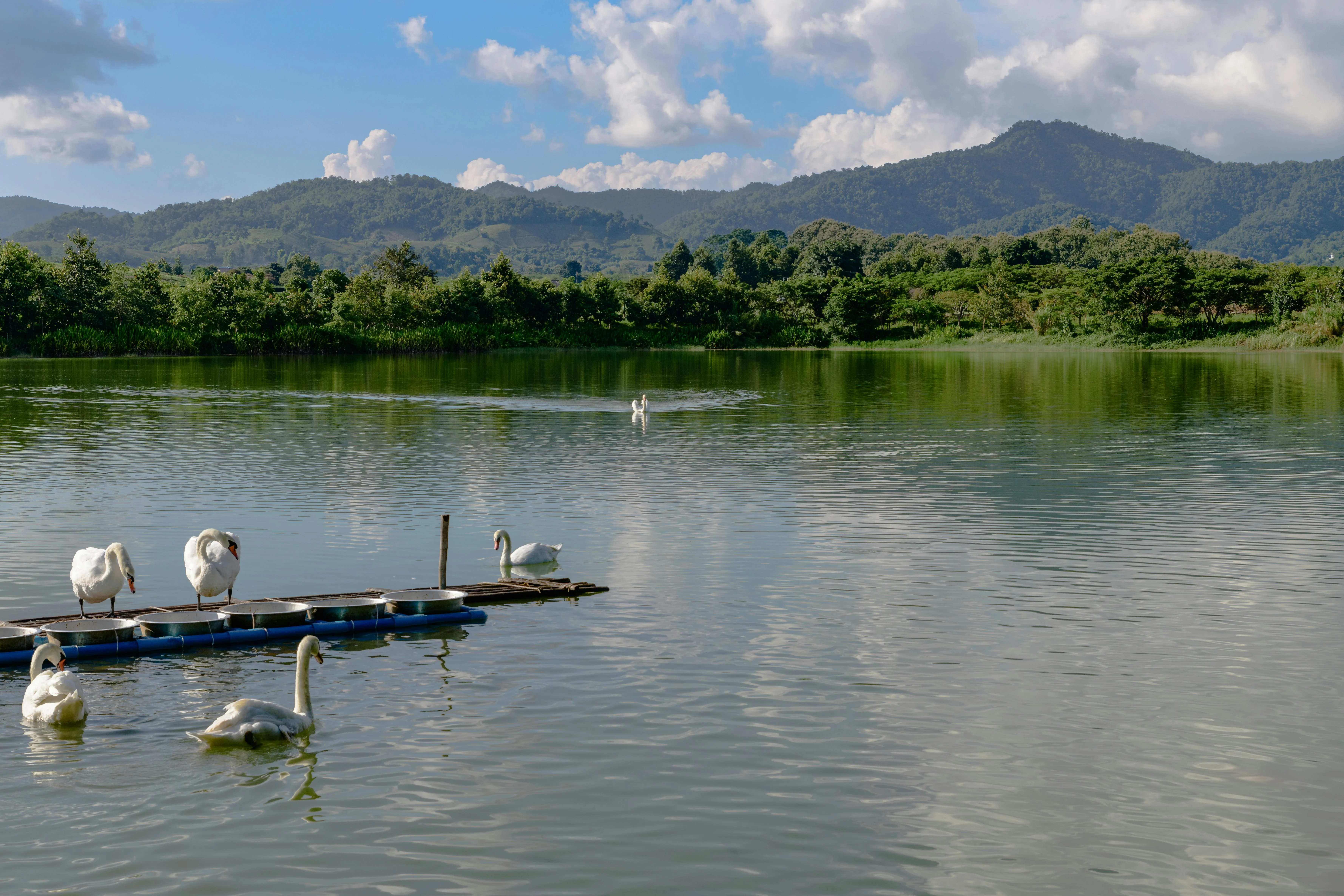
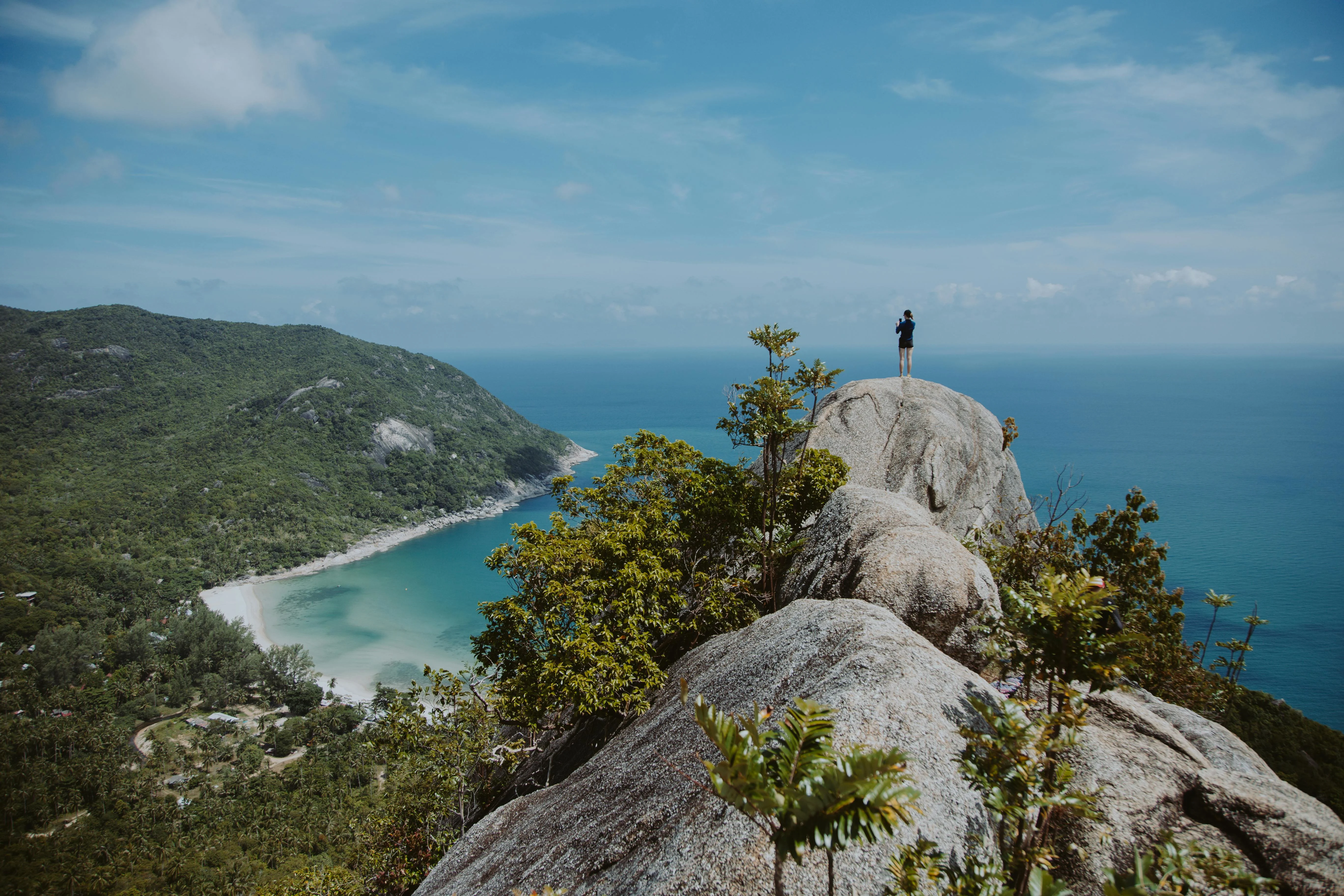
Just 100 miles from Chiang Mai, Chiang Rai is surrounded by mountains, forests, and waterfalls. Crime rates including petty crime are low, and its mountain position makes it naturally cooler than neighbouring cities. It has three international schools, two universities, and a small expat community that has been growing quietly for years without tipping into the overcrowded cafe culture that now defines Nimman.
Average rental prices in Chiang Rai range between 10,000 baht for a condo and 17,000 baht for a house, lower than most Thai cities. Chiang Rai's cost of living sits among the lowest of any town with real expat infrastructure in Thailand. A car or motorbike is necessary. Public transport does not connect the areas you will actually need to reach.
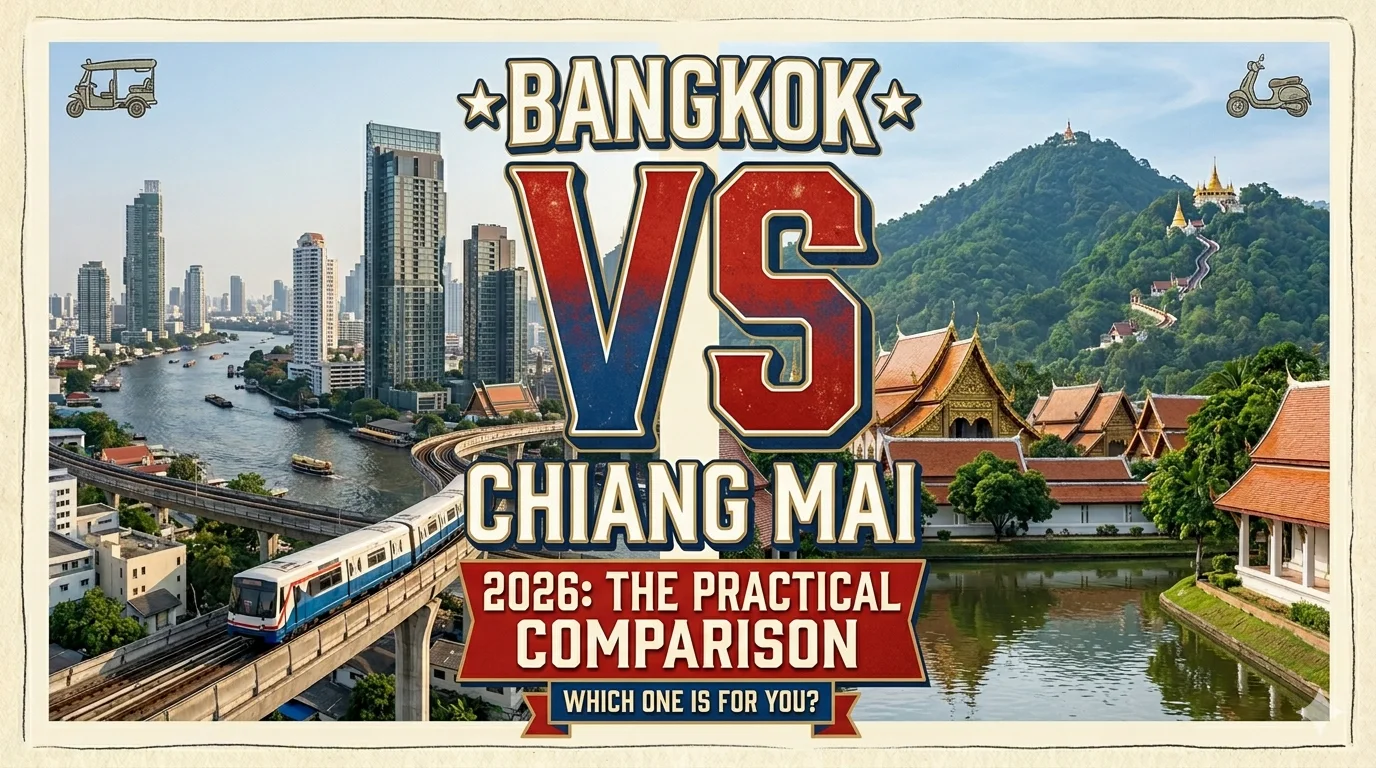
The honest limitation is burning season. Like Chiang Mai, Chiang Rai sits in the northern agricultural zone and experiences smoke from January through April, with AQI levels that make outdoor activity genuinely uncomfortable for weeks at a time. Families considering Chiang Rai for its international schools should factor this into the annual plan. For anyone who has outgrown Chiang Mai's pace and price without wanting to go fully off-grid, Chiang Rai is the most practical next step north. For the full Chiang Mai versus Bangkok comparison, see Bangkok vs Chiang Mai for Expats.
Udon Thani: The Most Established Small-City Expat Base
Udon Thani has a specific history that explains its unusual expat character. American presence in Udon Thani began during the Vietnam War, and the generational familiarity with foreigners from that era explains why locals remain so welcoming to expats today. That legacy produced something rare in a town this size: a genuinely embedded Western community with its own social infrastructure.
The expat community in Udon Thani centres around Prajak Road and Nong Prank Park, with clubs, social events, and volunteer opportunities for retirees seeking connection. English is widely understood, a legacy of the former American air base, making daily life, healthcare, and social activities easier for expats who do not speak Thai.
A comfortable apartment in the city centre often falls between 8,000 and 12,000 baht per month. Local markets provide fresh produce at very reasonable prices, and dining at Thai restaurants can be as little as 50 baht per meal. Healthcare is accessible at facilities such as AEK Udon International Hospital, which offers routine care and specialist services. The cost of living runs around 40 percent below Bangkok for the same lifestyle standard. For retirees who want a real community, real infrastructure, and a monthly budget that leaves actual room to breathe, Udon Thani is one of the strongest cases in the country. See the full retirement city comparison at Best City for Retirees in Thailand 2026.
Khon Kaen: The University City of the Northeast
Khon Kaen is the commercial and academic hub of the Isan region. It functions well as a base in ways that smaller northeastern towns do not: good hospitals, a night market culture, direct flights to Bangkok, and a university population that keeps the city feeling younger and more active than Udon Thani's retiree-heavy scene.
Khon Kaen is a growing northeastern university city that delivers some of the lowest rents in the country, with modern condos or serviced studios available at 200 to 350 US dollars per month. The healthcare options are solid for a city this size, with Khon Kaen University's teaching hospital covering specialist care that smaller Isan towns cannot. Many foreign spouses of Thai nationals from the northeast end up in Khon Kaen, giving it a more organically mixed community than cities that attract expats primarily through tourism or retirement marketing.
The trade-off is Western amenities. In Khon Kaen, Western food options exist but are sparser than in Udon Thani. If eating Thai food most of the time is genuinely fine with you, Khon Kaen costs less and offers more than people expect. If you need a reliable rotation of Western restaurants and imported goods, the absence will wear on you faster than the savings satisfy you.
Krabi and Ao Nang: The Southern Beach Alternative

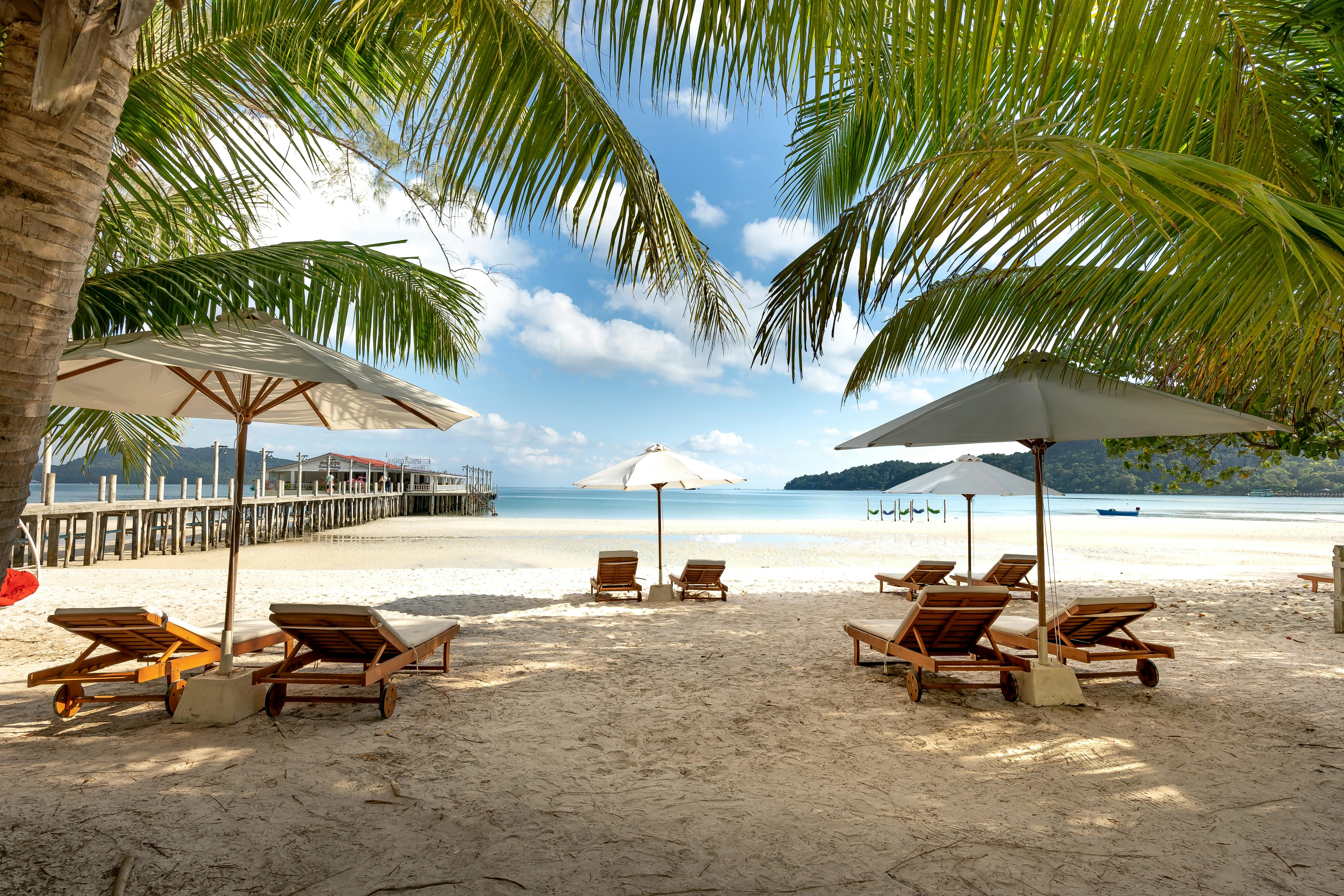
Krabi gives you the southern beach lifestyle at a lower price than Phuket, without Koh Samui's island logistics. Ao Nang is popular with expats and tourists alike, and despite this popularity has managed to preserve parts that still feel relatively quiet. Nearby islands are accessible directly from Ao Nang, providing a quick change of scene for residents.
The cost of living in Krabi is moderate, with average monthly expenses ranging from roughly 40,000 to 50,000 baht. Healthcare is accessible at Krabi Nakharin International Hospital for routine care and specialist services. The expat community is smaller and more lifestyle-focused than Phuket's. People here tend to have already decided that beach life is the priority and chose Krabi because Phuket became too expensive or too busy.
The limitation for families is school choice. International school options in Krabi are very limited compared to Phuket, making it a better fit for couples, retirees, and remote workers than for families with secondary-school-age children. For anyone weighing Krabi against Phuket or Hua Hin, the full comparison is in Best Beach Cities for Expats in Thailand 2026.
Who Small-Town Thailand Is Actually For
The expats who thrive in Thailand's secondary cities tend to share a specific profile. They have lived in Bangkok or Chiang Mai first and know what they are leaving behind. They eat Thai food without treating it as a consolation prize. They do not need a co-working space with a coffee menu. And they have made peace with the fact that the nearest decent hospital requires a plan rather than a Grab ride.
Eastern and northern towns are ideal for those on a tighter budget or seeking a slower, more local lifestyle. While English is less commonly spoken, the cost savings are significant. That is the honest summary. The savings are real. The lifestyle is genuinely good for the right person. The adjustment is also real, and people who underestimate it tend to move back to Chiang Mai within six months.
The towns that work best as first small-town bases are Chiang Rai for people coming from the north, and Udon Thani for anyone open to the northeast. Both have enough infrastructure to make the transition manageable while delivering the cost and pace that make the move worth making.
Where to Go from Here
For digital nomads weighing small-town infrastructure against co-working needs: Best City for Digital Nomads in Thailand 2026.
For families checking whether small-town school options actually cover their children's age group: Best City for Families in Thailand 2026.
For the full side-by-side of every major Thailand base: Best Cities to Live in Thailand 2026.
Spend at least four weeks in any small town before signing a lease. The first two weeks feel like a holiday. The third week is when you find out whether the pace actually suits you.