Best Places to Retire in Thailand 2026: City by City Comparison
The most common retirement mistake in Thailand is choosing a city based on a holiday. Two weeks of excellent weather, great food, and zero visa appointments feels like evidence. It is not. The city that felt perfect for a fortnight will reveal its real character somewhere around week six, when you are navigating a 90-day report and realising the nearest hospital with an English-speaking cardiologist is two hours away.
This guide compares the six most realistic retirement bases in Thailand on the criteria that actually determine whether you stay: healthcare, cost, community, climate, and Bangkok access. No filler. Honest trade-offs.
The Healthcare Proximity Test: Start Here
Before comparing costs or beaches, answer one question honestly. Imagine it is 3am and you are having chest pain. How long before you are in a hospital with a cardiac unit?
In Bangkok: 15 to 20 minutes. In Chiang Mai: 15 to 20 minutes. In Pattaya: 20 to 30 minutes. In Hua Hin: 30 minutes to a local private hospital, or 3 hours to Bangkok's top facilities. In Phuket: 20 minutes to Phuket International Hospital. In Chiang Rai: 20 minutes to the local hospital, 3 hours to Chiang Mai for complex cases.
For retirees in good health with no significant cardiovascular or neurological history, all six cities are workable. For anyone over 70 or managing serious chronic conditions, the Bangkok and Chiang Mai proximity advantage is a practical argument, not just a comfort factor. Start with that answer and the rest of the comparison becomes cleaner.
City Comparison at a Glance
City | Monthly Budget | Hospital Access | Community | Climate Issue | Bangkok Access |
|---|---|---|---|---|---|
Bangkok | 70,000–100,000 baht | Excellent | Large, dispersed | Moderate pollution | You are here |
Chiang Mai | 45,000–65,000 baht | Good | Excellent | Burning season Jan–Mar | 1.5hr flight |
Hua Hin | 45,000–65,000 baht | Adequate | Retiree-focused | None significant | 3hr drive |
Phuket | 60,000–90,000 baht | Good | Large, diverse | None significant | 1.5hr flight |
Pattaya | 40,000–65,000 baht | Good | Large, diverse | None significant | 2hr drive |
Chiang Rai | 28,000–42,000 baht | Basic | Small | Burning season Jan–Apr | 1hr flight |
Bangkok: The Insurance Policy
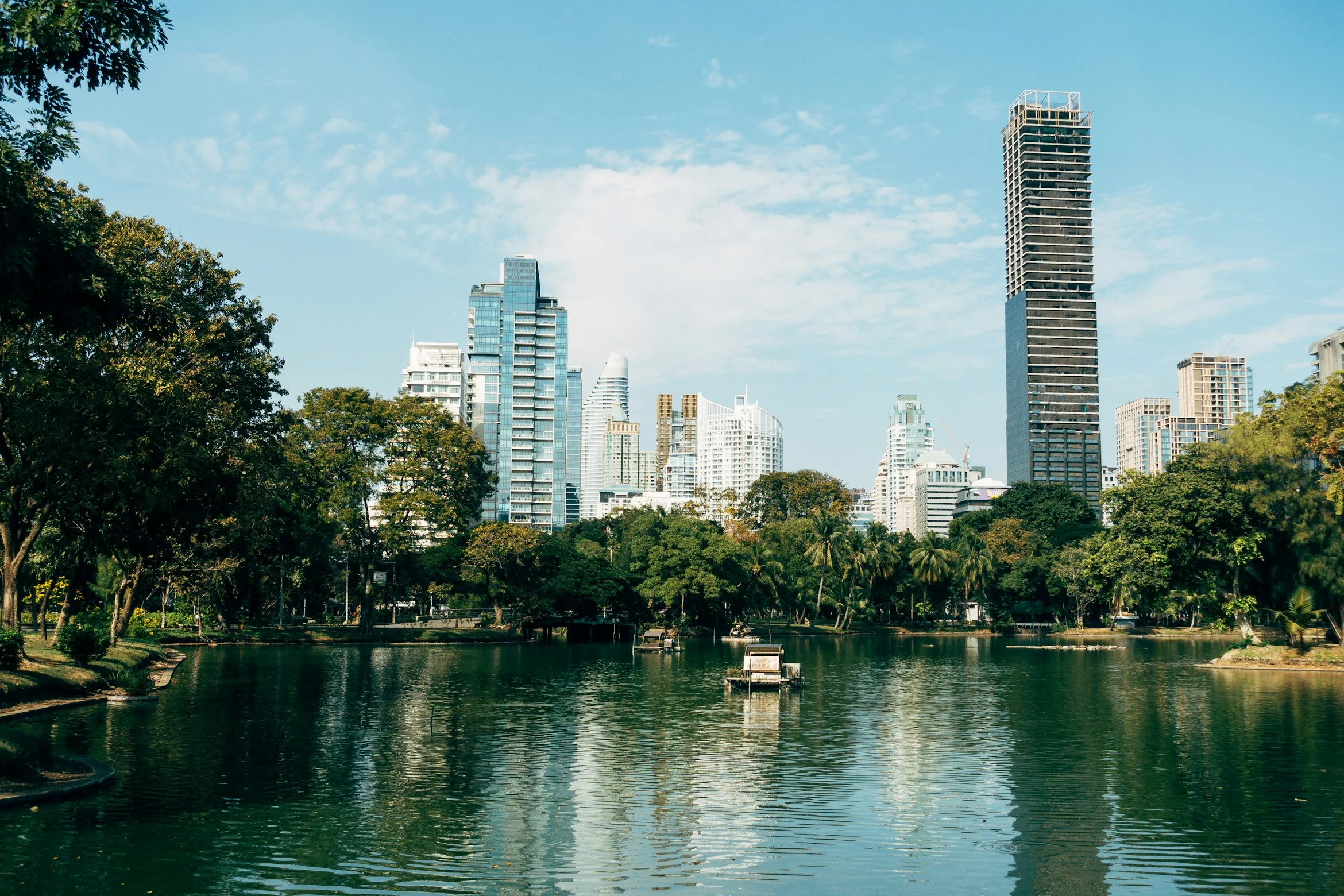
Bangkok is not where most people imagine retiring to Thailand. It is where most people end up when they need to be somewhere that has everything. The hospitals here are among the best in Southeast Asia. Bumrungrad International, Bangkok Hospital, and Samitivej handle complex cases that no other Thai city can match.
The cost of a comfortable Bangkok retirement runs 70,000 to 100,000 baht per month. That covers a modern one-bedroom condo in a decent Sukhumvit location, regular dining out, transport on the BTS, health insurance, and enough discretionary budget to say yes to most things. The number drops significantly if you choose a less central neighbourhood. Ari, Lat Phrao, and On Nut deliver the same BTS access at 5,000 to 10,000 baht less per month in rent.
The social life requires effort. Bangkok is large enough that the expat community scatters across a dozen neighbourhoods without forming the concentrated social infrastructure that Chiang Mai or Hua Hin produce naturally. Finding your cohort takes months rather than weeks. For retirees who are self-sufficient socially and prioritise healthcare access, medical variety, and Bangkok's full range of dining and entertainment, it is the right base. For retirees who need community to come to them, it is the wrong one.
The climate is hot and humid year-round with a rainy season from May through October. Air quality is moderate, with some pollution peaks during burning season in the north pushing Bangkok's AQI up slightly, but nothing approaching Chiang Mai's severity.
Chiang Mai: The Most Social City for Retirees
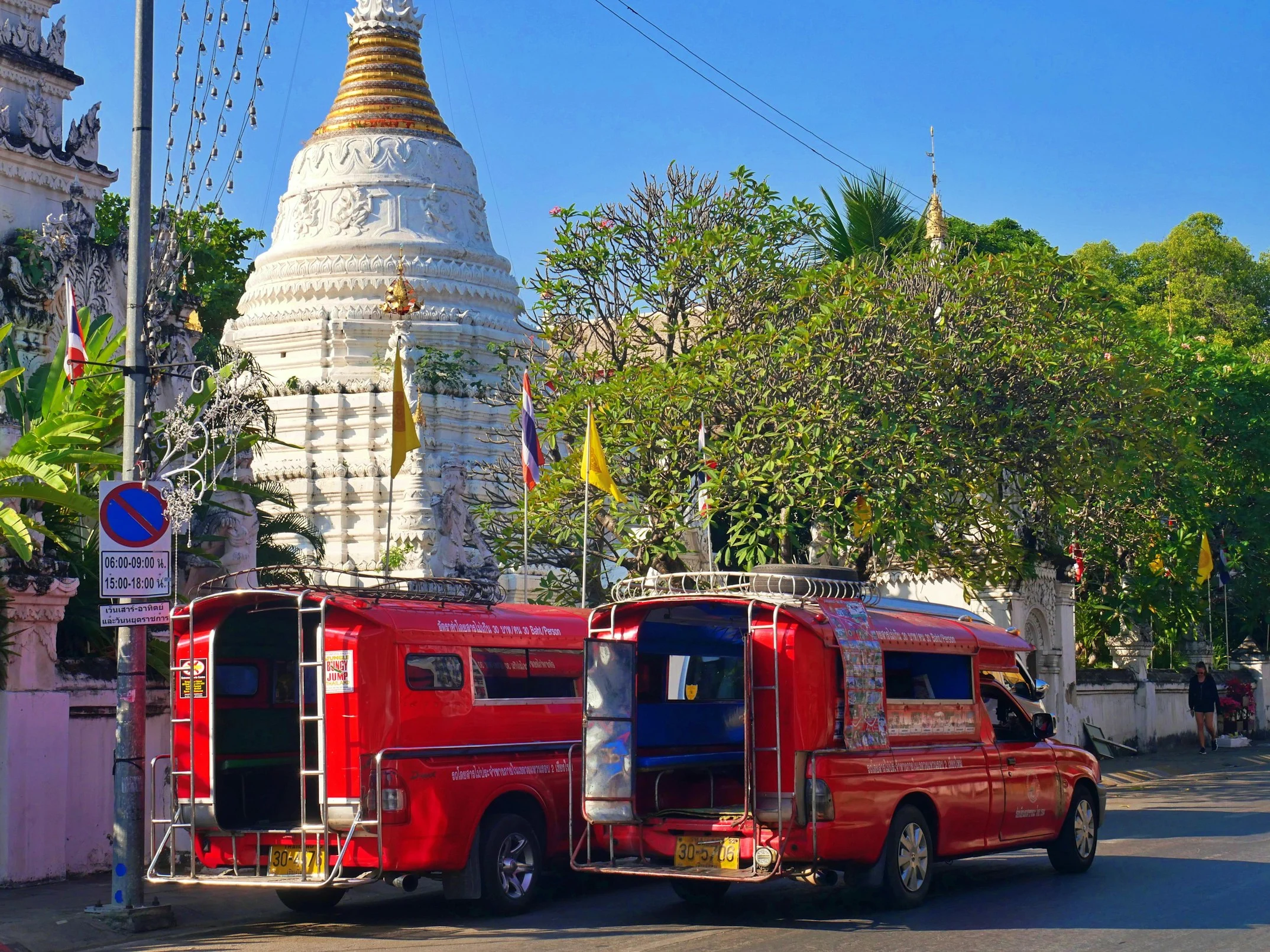
Chiang Mai consistently produces the highest satisfaction scores among long-term expat retirees and the reason is almost always the community. The expat scene concentrates around Nimman and the Old City in a way that Bangkok's geography never permits. People run into each other. Social circles form without effort. The regular meetups, expat clubs, cooking classes, language schools, temple visits, and hiking groups mean that a retiree who shows up alone in Chiang Mai typically has a social life within a few weeks.
Monthly costs for a comfortable retirement run 45,000 to 65,000 baht. A one-bedroom condo with a pool in Nimman costs 12,000 to 18,000 baht. Luxury condos reach $350 to $600 USD per month, significantly below Bangkok equivalents. The cost is roughly 20 percent lower than Bangkok for a comparable lifestyle. Bangkok Hospital Chiang Mai and Chiang Mai Ram handle most general and specialist care well. Complex cases require the 1.5-hour flight to Bangkok.
The burning season is the honest reason Chiang Mai is not the obvious answer for everyone. From mid-January through March, AQI regularly exceeds 200 and outdoor activity becomes impractical for extended periods. Many long-term residents leave for two to three months annually. If you can build that into the plan financially and logistically, Chiang Mai is the strongest all-round retirement base in Thailand. If year-round outdoor activity matters and you will not leave during smoke season, it is a significant quality-of-life issue that does not go away.
For the full Chiang Mai versus Bangkok comparison: Bangkok vs Chiang Mai for Expats.
Hua Hin: The Retiree Town That Does One Thing Very Well
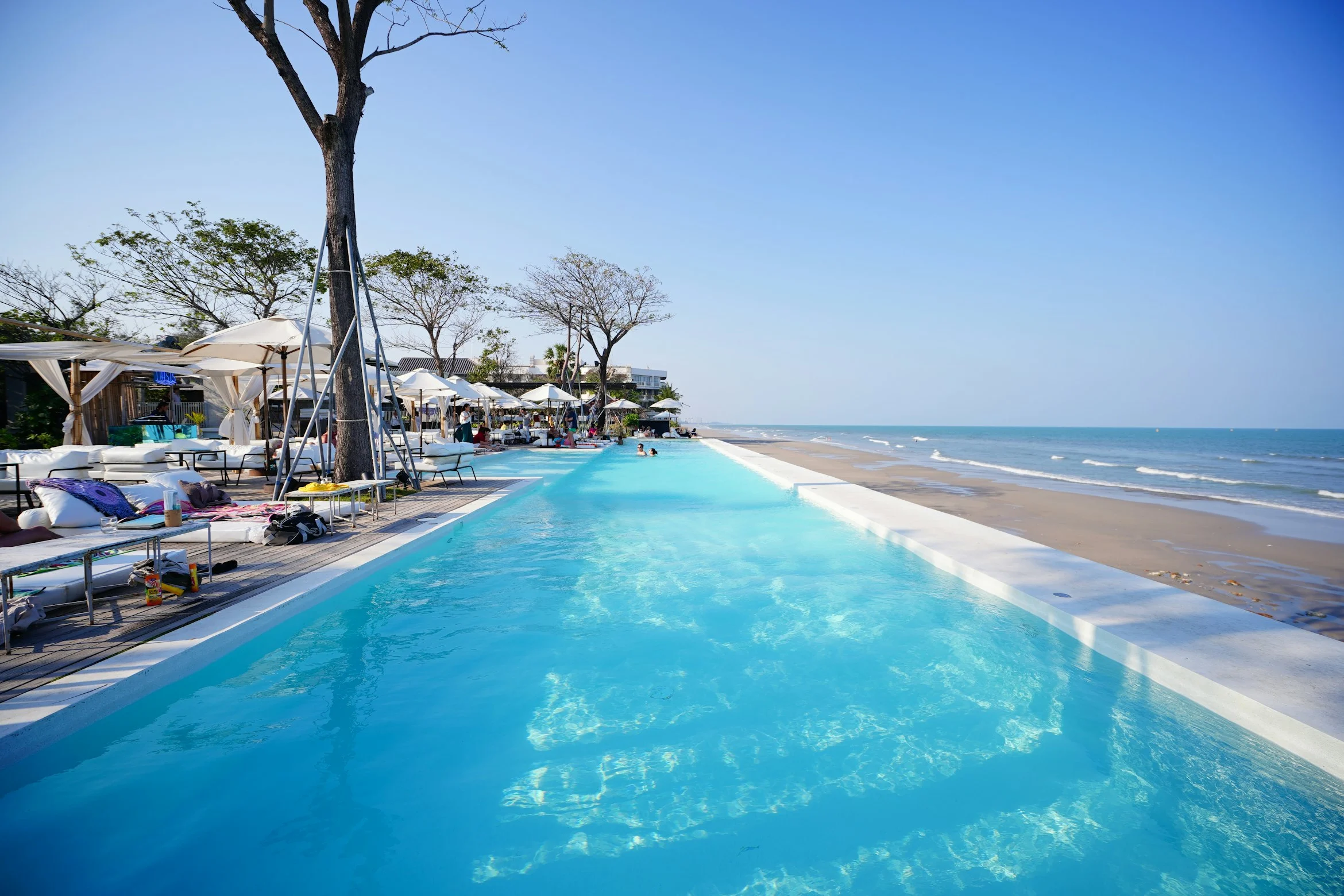
Hua Hin exists for a specific retiree: someone who wants a clean beach, excellent golf, a social life built around an organised expat community, and the option to be in Bangkok within three hours when something serious requires it. If that profile fits, Hua Hin will feel like it was designed for you. If it does not, you will be bored within six months and wondering why Chiang Mai seemed appealing.
Monthly costs run 45,000 to 65,000 baht, matching Chiang Mai's price point with the beach lifestyle that Chiang Mai cannot offer. The social scene centres on golf clubs, beachfront restaurants, the Hua Hin Expats Club, and the kind of settled, familiar rhythm that develops when the same community has been in the same place for years. New arrivals are welcomed actively. Making friends in Hua Hin is easier than in Bangkok and happens faster than in Chiang Mai.
Healthcare at Bangkok Hospital Hua Hin and San Paulo covers routine and general specialist needs well. Complex procedures or serious conditions require the 3-hour drive to Bangkok. That distance is the trade-off you accept for the lifestyle and the cost. For retirees in good general health who do not need frequent specialist access, it is a trade-off most people find manageable.
Air quality is good year-round. No burning season. The beach runs 7 kilometres and is wide enough at low tide that morning walks feel genuinely uncrowded on weekdays.
For the full Hua Hin retiree picture including lifestyle, costs, and healthcare detail: Hua Hin for Expats and Retirees.
Phuket: The Beach Base With Complete Infrastructure
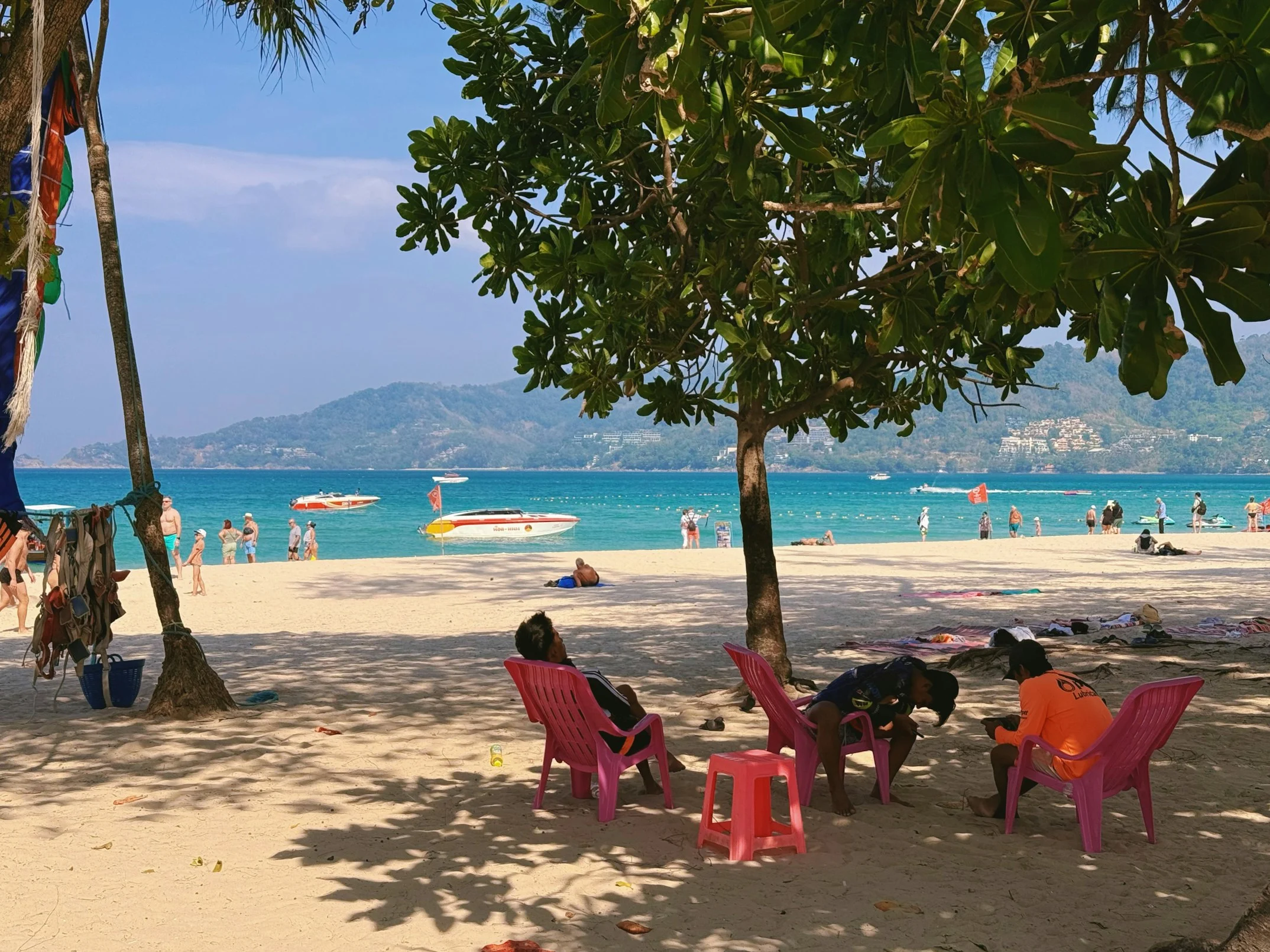
Phuket is more expensive than Hua Hin and delivers more in return. International hospitals, a large international airport with direct flights to Bangkok, Singapore, and European cities, the largest and most diverse expat community of any Thai beach destination, and a year-round beach environment with none of the burning season problems that affect the north.
A comfortable Phuket retirement costs 60,000 to 90,000 baht per month. The long-stay retiree community concentrates in Rawai and Chalong in the south, away from Patong's tourist density. The social infrastructure here is the most complete of any Thai beach city: the Phuket Expat Club and various national associations run regular events, the community skews mixed in nationality and age, and Phuket International Hospital and Bangkok Hospital Phuket handle serious cases without requiring a flight to the capital in most situations.
The seasonal tourism traffic in the north of the island is the honest friction. Choosing Rawai or Chalong sidesteps most of it. Retirees who pick their neighbourhood carefully get the beach lifestyle Hua Hin offers at a higher cost but with meaningfully better hospital access and a larger, more varied expat community around them.
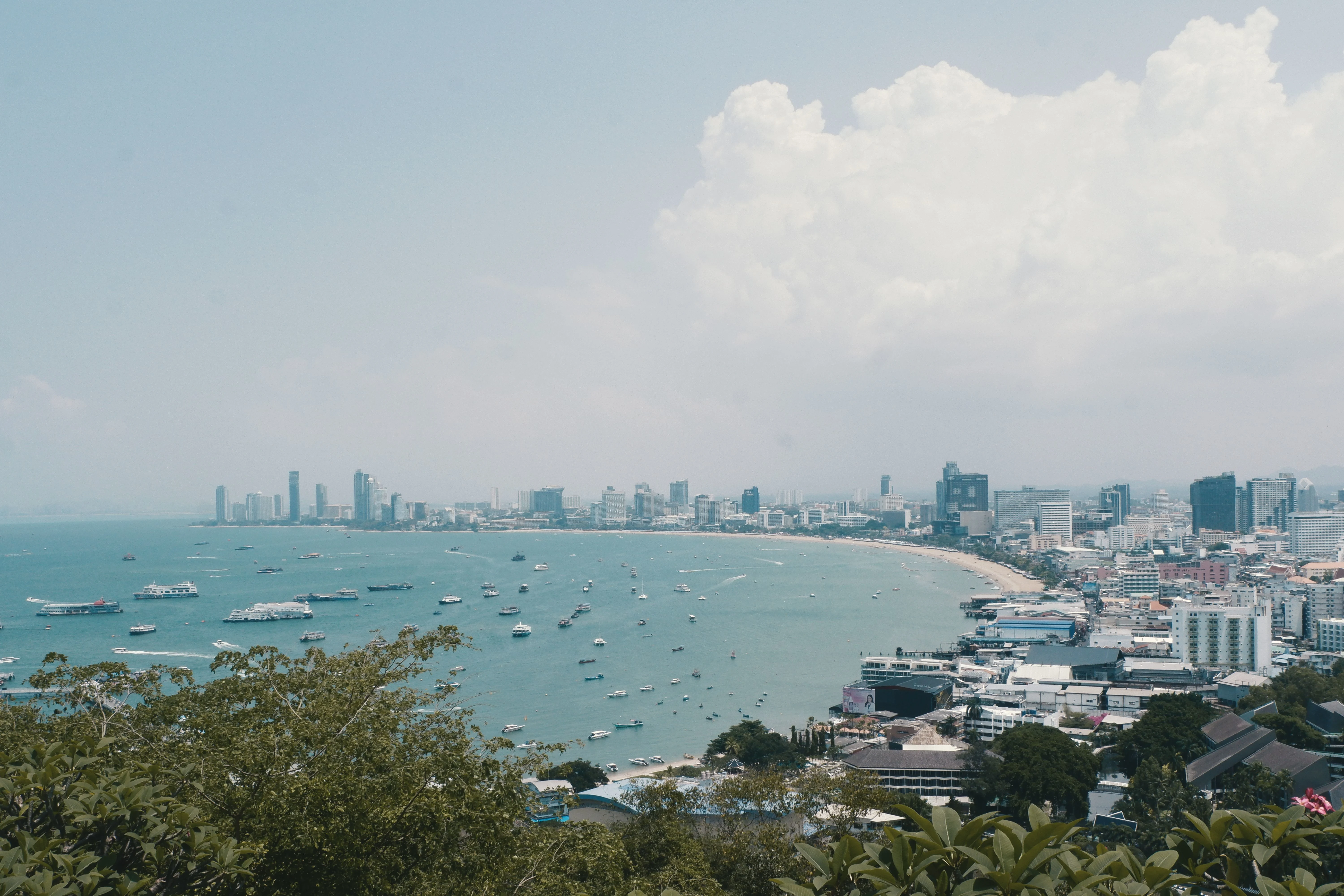
Pattaya: The Most Misunderstood Retirement City
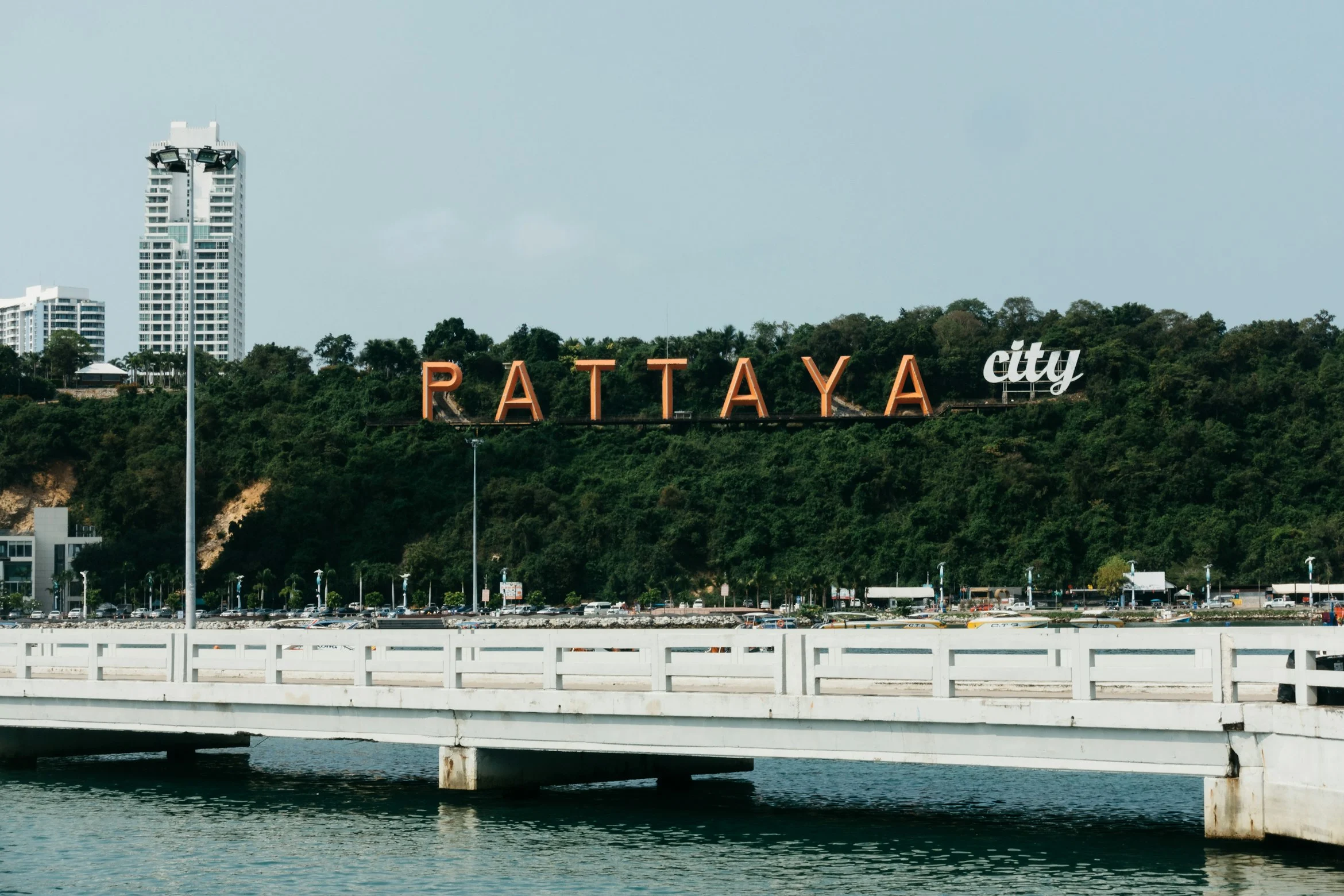
Pattaya has a reputation that its long-term retiree residents find exhausting to argue against. The city that shows up in travel warnings is not the city where European and Australian retirees spend their mornings walking the beachfront in Jomtien, their afternoons at the golf course, and their evenings at a beachfront restaurant with familiar faces.
Monthly costs for a comfortable retirement run 40,000 to 65,000 baht. A beach view condo in Jomtien costs 15,000 to 25,000 baht per month. The retiree community is large, primarily European, and socially active in a way that rivals Hua Hin for organised social infrastructure. Bangkok Hospital Pattaya and Pattaya Memorial handle routine and specialist care. U-Tapao airport, 45 minutes south, has Bangkok connections for anything that requires the capital's top hospitals.
The Bangkok access is the clearest practical advantage over Phuket and Hua Hin in terms of distance. Two hours by expressway, no flight required, door-to-door travel is genuinely manageable for planned medical appointments or visa work. Air quality is good year-round with no burning season impact.
The reputation requires a neighbourhood decision that anyone researching Pattaya seriously learns quickly: Jomtien and east Pattaya for the retiree lifestyle, not Pattaya central. The two parts of the city are different enough to feel like different places.
Chiang Rai: The Budget Option With Real Limits
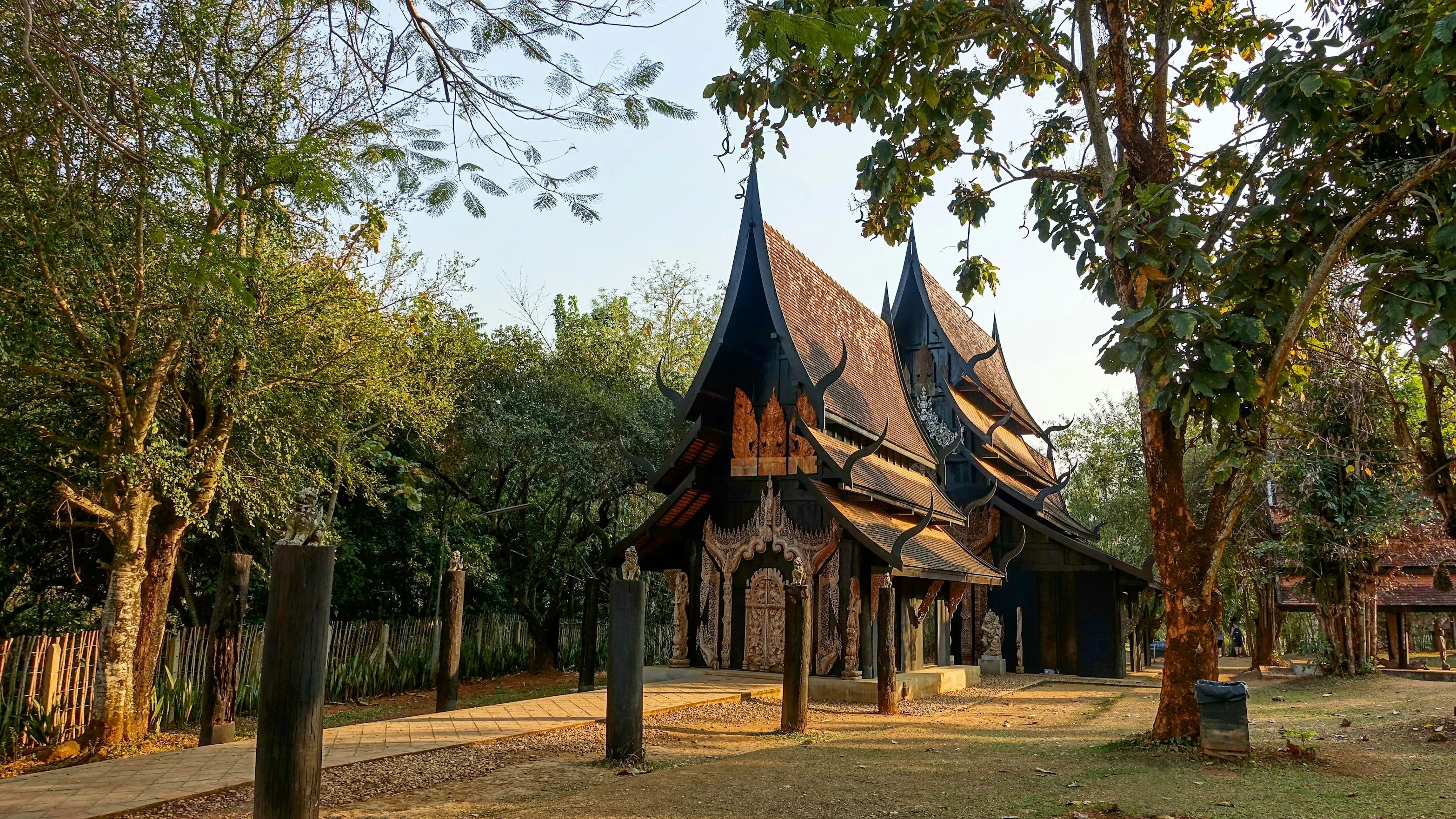
Chiang Rai is the right recommendation for a specific retiree: someone who has already lived in Thailand, knows what they are giving up, is in good health, and wants the lowest monthly cost available in a city with any expat infrastructure at all.
Monthly costs run 28,000 to 42,000 baht, the lowest of any city on this list with a functioning international school and a small expat community. Rent for a one-bedroom apartment runs 10,000 to 17,000 baht. The pace is genuinely slow, the city is smaller than any other option here, and the social scene requires active effort rather than passive absorption.
The limitations are real. Healthcare beyond routine care requires travel to Chiang Mai, 3 hours south. The burning season runs from January through April and is generally worse than Chiang Mai's because the border region with Myanmar and Laos adds agricultural burning from those countries. The expat community is small enough that making friends requires a longer investment than any other city on this list.
Chiang Rai is not a first Thailand retirement base. It is the base that makes sense for people who have already been through Chiang Mai and know exactly which parts of the expat infrastructure they actually use. For more on what small-town Thailand retirement looks like: Small Towns in Thailand Worth Living In.
The Questions That Decide the City
Do you have a serious chronic condition requiring regular specialist care? Bangkok or Chiang Mai. No other answer.
Is your priority community that comes to you rather than requiring effort to find? Chiang Mai for the most active scene. Hua Hin for the most organised. Pattaya for the largest.
Do you want a beach and can you manage three hours from Bangkok's top hospitals? Hua Hin for slow pace and golf. Phuket for complete infrastructure and diversity. Pattaya for cost and Bangkok proximity.
Is minimising monthly costs the primary driver? Chiang Rai if you know what you are giving up. Chiang Mai if you want budget and community. Hua Hin if you want budget and beach.
Will you leave during Thailand's burning season? Then Chiang Mai's smoke problem becomes manageable. If not, choose a city that does not have one.
The Retirement Visa Financial Requirement
Whichever city you choose, the retirement visa financial requirements apply uniformly across all of them. The standard Non-OA retirement visa requires either 800,000 baht maintained in a Thai bank account, or a provable monthly income of 65,000 baht or more. The LTR Visa has separate requirements at higher thresholds.
The city does not affect your visa category. The cost of living in your city affects how much of your income is left after meeting those thresholds. For the full step-by-step retirement process: How to Retire in Thailand 2026.
The 3-Month Trial Rule
Every city on this list has an active month-to-month rental market. You do not need to commit to a 12-month lease before knowing whether the city suits you. Spend three months in your shortlisted city before signing anything long-term. The first month feels like a holiday. The second month is when the reality of daily life becomes apparent. The third month tells you whether you want to stay or whether another city on this list was the right answer all along.
Most people who make the wrong city decision either never did a proper trial, or did a trial in peak season when every city looks its best.
Where to Go from Here
For the full retirement budget breakdown across lifestyle levels: Retirement Budget in Thailand 2026.
For where to find your expat community in each city: Expat Community in Thailand 2026.
For retirees under 50 looking at visa options: How to Retire in Thailand Under 50.
For the full step-by-step retirement process: How to Retire in Thailand 2026.
For the complete Retiring in Thailand overview: Retiring in Thailand 2026.