Expat Community in Thailand 2026: Where to Find Your People
The loneliest expats in Thailand are the ones who moved into a quiet condo on the outskirts of a city, told themselves they would go and meet people once they had settled in, and are now six months in still waiting to feel settled. The most socially connected expats in Thailand are the ones who showed up somewhere with a fixed schedule and let repetition do the work.
Thailand makes this easier than almost anywhere else. Locals show exceptional friendliness toward foreigners: 81 percent of expats in Thailand report this, compared to 65 percent globally. The infrastructure of expat social life is real in every major city. The only genuine variable is which city you are in and which version of social life you are looking for.
The Honest Truth About Building Community
Community in Thailand does not come to you. It comes from showing up to the same places at the same times until people start recognising your face. The mechanics are identical to anywhere else in the world. What Thailand offers is more entry points, lower barriers, and a faster timeline from arrival to genuine connection than most countries.
The practical rule: pick a neighbourhood with the social infrastructure that suits your lifestyle before you sign a lease. A quiet condo 10 kilometres from the nearest co-working space or expat club is peaceful. It is also a reliable path to isolation. The best social decisions in Thailand are real estate decisions made before you arrive.
Chiang Mai: The Easiest Place to Find Community

Chiang Mai has the strongest expat social infrastructure relative to its size of any Thai city and possibly any city in Southeast Asia. The concentration of long-term residents, digital nomads, retirees, and entrepreneurs in Nimman and the Old City creates a density of social opportunity that Bangkok's size can never replicate.
For retirees: The Chiang Mai Expats Club runs monthly meetings and social events with a motto of "Expats Helping Expats." It is the most practical first step for any new retiree arrival and functions as a genuine community resource rather than just a social calendar. Hiking groups, cycling clubs, cooking classes, volunteer opportunities, and cultural day trips fill the week around it.
For digital nomads: Chiang Mai hosted Nomad Summit 2026, which returned to the city after a multi-year gap and confirmed that Chiang Mai's reputation as a nomad base has not faded despite regular predictions that it has. Co-working spaces including Punspace, Yellow, and CAMP at Maya Mall function as social hubs as much as work environments. The Nomad Coffee Club runs weekly Friday meetups at Food4Thought. Weekly events on digital marketing, coding, language exchanges, and professional development run throughout the year.
The social pattern that works: Choose Nimman for the highest density of social opportunity. Go to the same two or three cafes regularly. Attend one recurring weekly event consistently for a month. By week six, you will have a social circle. Chiang Mai's size makes this happen faster than anywhere else in Thailand.
For digital nomads weighing Chiang Mai against other Thai cities: Best City for Digital Nomads in Thailand 2026.
Bangkok: The City That Rewards Active Effort
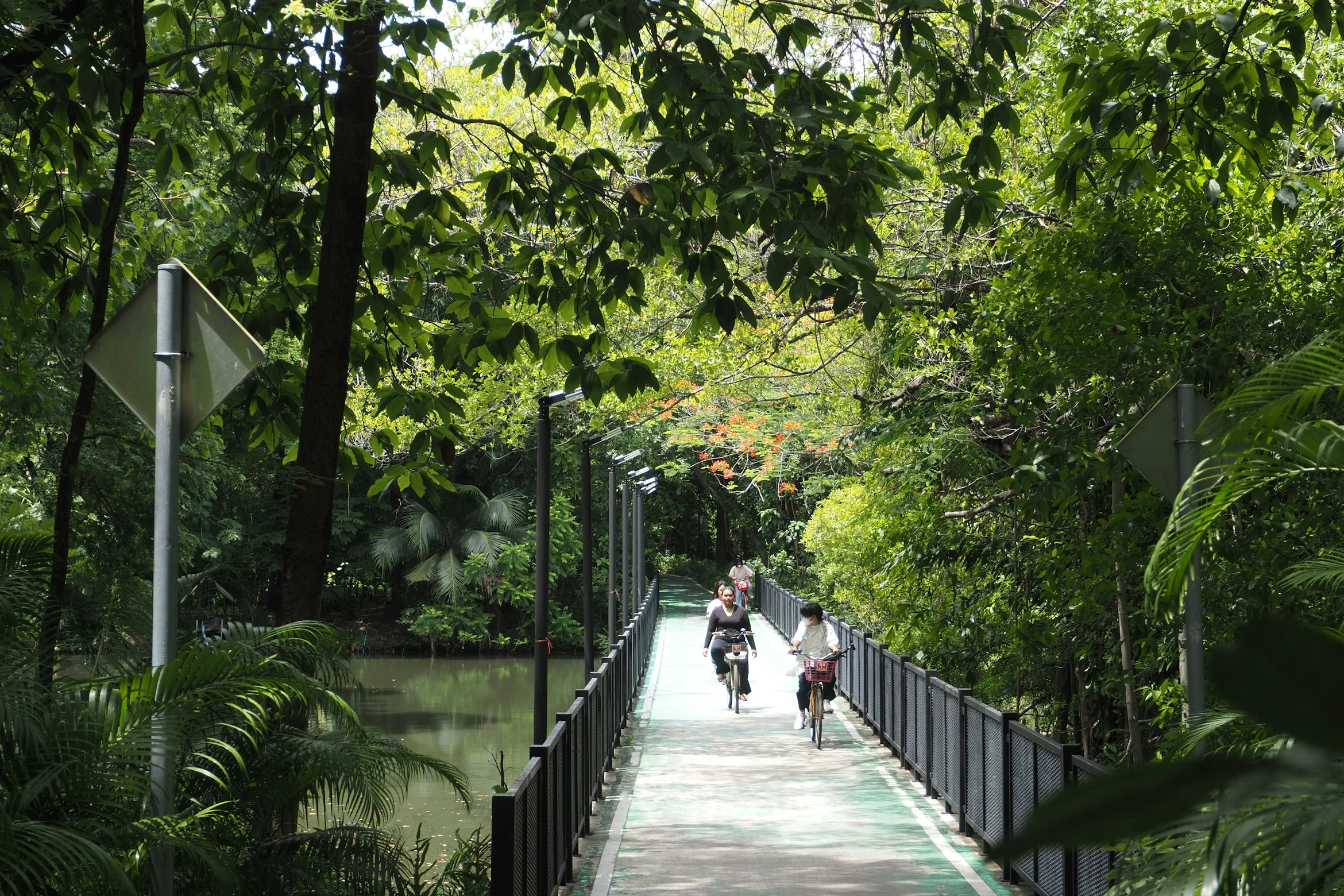
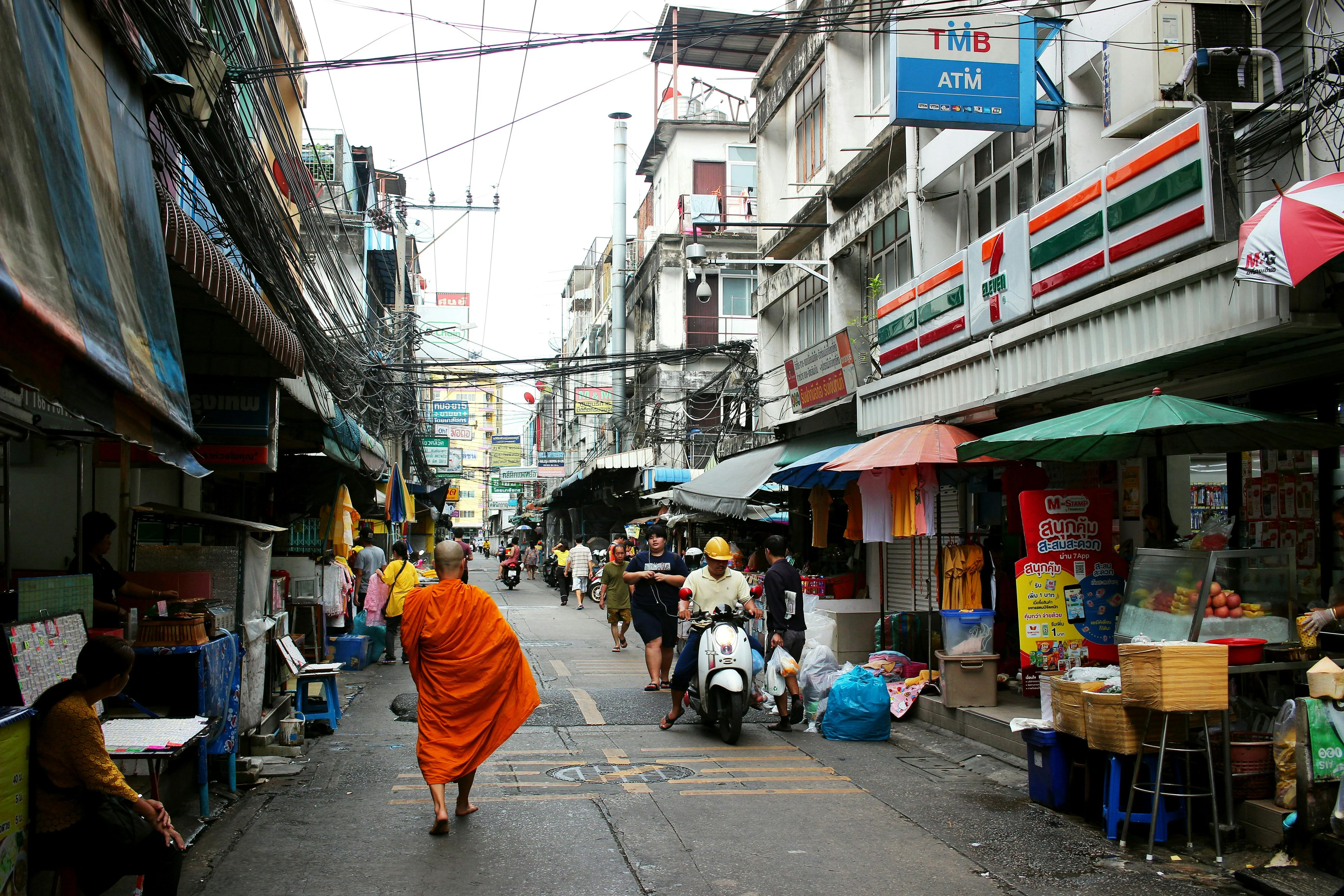
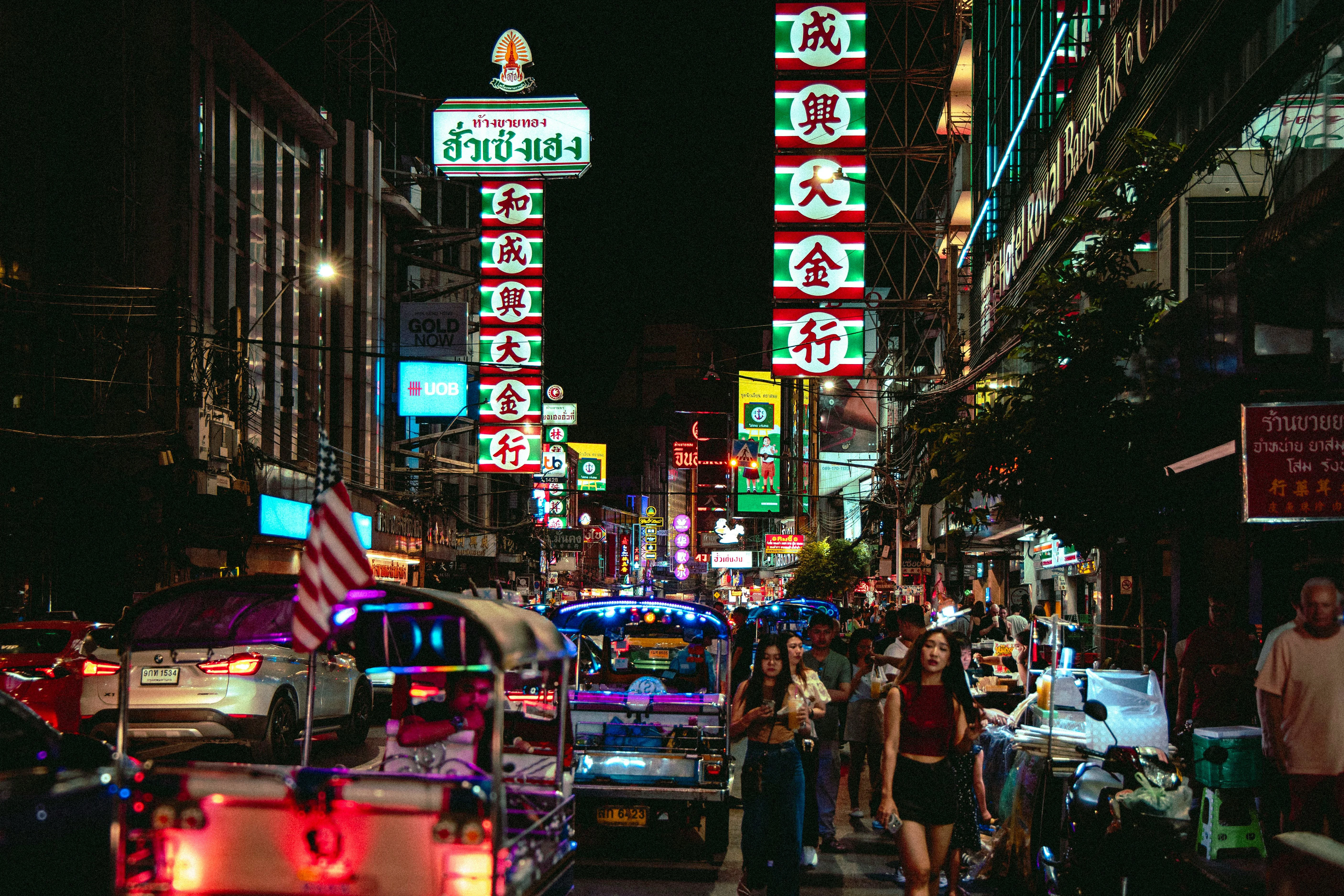
Bangkok's expat community is the largest in the country and the hardest to tap into passively. The city is too large to produce the accidental social connections that Chiang Mai generates naturally. Expats scatter across Sukhumvit, Silom, Ari, Ekkamai, and Sathorn without forming the concentrated community that smaller cities produce. Finding your people in Bangkok requires deliberate choices about where to live and how to spend time.
What works: Neighbourhood matters more than anywhere else in Thailand. Ari and Thonglor both have established expat social scenes with regular events, walkable streets, and enough familiar faces that a routine develops within a few months. Silom and Sathorn suit business-focused expats with corporate networking events and professional associations.
For active community seekers: Cycling groups operate on the Green Mile bike track near Suvarnabhumi Airport and through organised rides in the suburbs. Running clubs, tennis courts, volleyball, and basketball groups welcome newcomers at parks across the city. Latin social events including regular salsa and bachata nights attract a mixed expat and local crowd and function as genuine social entry points for people who want to meet people outside their professional circle.
For retirees: Bangkok lacks the organised retiree social infrastructure that Hua Hin and Pattaya offer. The expat clubs that exist are more broadly social rather than retiree-specific. Bangkok suits retirees who are self-sufficient socially and value healthcare access and city variety over community warmth. For retirees who need community to come to them rather than requiring active pursuit, Bangkok is the wrong city.
Hua Hin: The Most Organised Retiree Social Scene
Hua Hin has the most formally organised expat social infrastructure of any Thai city relative to its size. The Hua Hin International Expats Club, founded in 2006, runs regular events and serves as the central social institution of the retiree community. Breakfast clubs, golf societies, the Hua Hin Golf Society running twice-weekly competitive events, beach walks, and monthly dinners fill the social calendar consistently.
New arrivals in Hua Hin are welcomed actively. The community is small enough that fresh faces are noticed and introductions happen without effort. Within a few weeks of arriving and attending two or three events, most newcomers have enough familiar faces to stop eating dinner alone.
The honest limitation is range. Hua Hin's social scene is heavily retiree-oriented, golf-centred, and predominantly European and Australian. If you are under 50, not a golfer, or looking for the diversity and variety of Bangkok or Chiang Mai's social scene, Hua Hin will feel narrow within a few months. For retirees who fit the profile it serves, the organised warmth of Hua Hin's community is genuinely one of its strongest arguments as a retirement base.
For the full Hua Hin expat and retiree picture: Hua Hin for Expats and Retirees.
Phuket: Beach Lifestyle With Real Social Infrastructure
The Phuket Expat Club, founded in 2001, is one of the longest-running expat organisations in Thailand. The Phuket Expat Meetup Group and Phuket Social Group both organise dinners, beach parties, and island tours regularly. The long-stay retiree community concentrates in Rawai and Chalong in the south, and the social scene in those areas is more local and residential in character than the tourist-facing north of the island.
Phuket's expat community is larger and more diverse in nationality than Hua Hin's, with a meaningful presence of British, German, Scandinavian, Australian, and American residents alongside smaller communities of Russian, Chinese, and Thai-foreign families. The sports groups are active: golf, kiteboarding, sailing, padel, and cycling all have organised communities. The Rawai and Chalong areas in particular have a residential rhythm that produces familiar social patterns quickly for newcomers who put themselves in the right physical spaces.
The trade-off is that Phuket's seasonal tourism traffic in the north changes the social character of the city between high and low season. The community that Rawai and Chalong retirees describe bears little resemblance to what Patong looks like in December. Choose the neighbourhood before the island.
Pattaya: The Largest Beach City Expat Scene
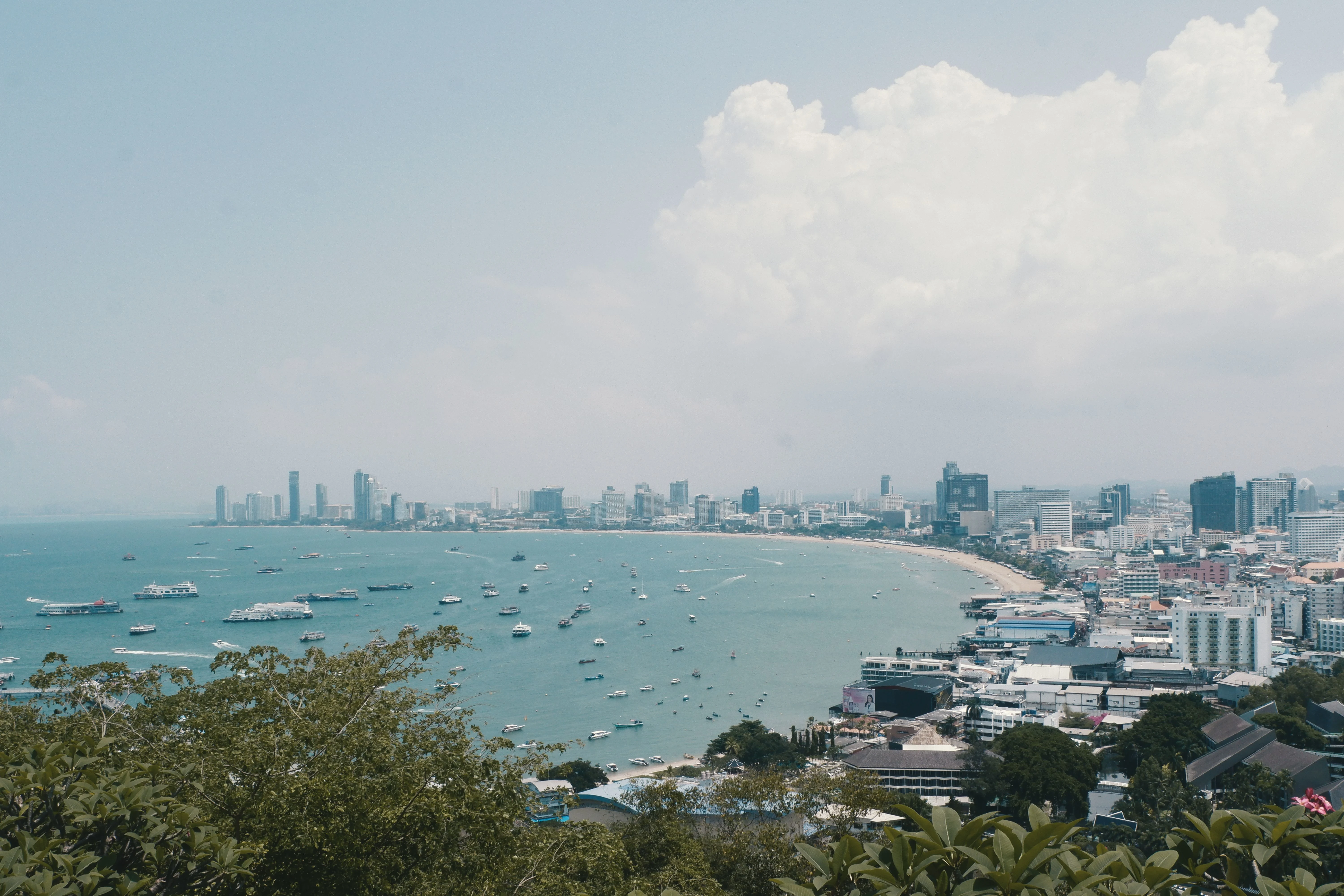
Pattaya's expat community is the largest of any Thai beach city and more socially active than its reputation suggests. The Pattaya Expats Club, founded in 2012, runs regular meetings, events, and resources for foreign residents. Golf societies, sports clubs, running groups, and hobby organisations fill the weekly calendar alongside the club's formal programming.
The community is primarily European and Australian, skews toward the 50 plus age group, and concentrates in Jomtien and East Pattaya rather than the central tourist areas. The social energy here is genuine rather than transactional, which surprises most first-time arrivals who expected something different. People who have been in Pattaya for years talk about the community warmth with the same conviction that Chiang Mai retirees use.
The practical entry point is showing up to a Pattaya Expats Club event within the first two weeks of arrival. The organisation functions as both social hub and practical resource for visa questions, hospital recommendations, and the accumulated knowledge of a community that has been managing Thai bureaucracy for a long time.
How to Find Your Community: The Practical Approach
Recurring weekly events: One consistent weekly event attended regularly for a month produces more genuine connections than attending ten different events once each. Choose one event that fits your interests and show up every week.
Physical spaces with regularity: The same cafe at the same time three mornings a week. The same gym. The same market. Humans bond through repetition and recognition, and Thailand's cafe and market culture creates the physical conditions for this faster than most countries.
Sports and activity groups: Golf societies, running clubs, cycling groups, volleyball courts, tennis clubs, and padel courts exist in every major Thai city. Turning up and asking to join is usually all the entry requirement there is. Physical activity groups produce genuine friendships more reliably than social events alone because the shared activity removes the pressure of having to find things to talk about.
Language exchange: Attending a Thai language class or language exchange event puts you in a room with other foreigners who chose to engage with Thailand beyond the expat bubble, and with Thai locals who want to connect with foreigners. The overlap in personality type produces friendships faster than randomly attended social events.
The neighbourhood decision: This is the most important social decision you make in Thailand. A walkable neighbourhood with cafes, markets, and social infrastructure close by produces passive social encounters that compound into community. A quiet condo estate does not, regardless of how many events you attend.
Online Communities by City
Every major Thai city has active Facebook groups for general expat life, visa questions, buying and selling, housing recommendations, and social event organisation. Search Facebook for your city name plus "expats" and you will find the main groups quickly. These communities are the fastest way to get answers to practical questions before and immediately after arrival.
Beyond city-specific groups, interest-based communities exist for parents navigating Thai schools, retirees comparing healthcare options, digital nomads sharing co-working recommendations, and nationality-specific groups for almost every country with a significant Thai expat population. If your specific need exists, there is almost certainly a group of people in Thailand managing the same thing.
What Profile Matches Which City
Retirees who need community to come to them: Hua Hin or Pattaya. The organised social infrastructure in both cities means that showing up to one event per week produces a social circle faster than any other Thai city.
Digital nomads and remote workers who want social density: Chiang Mai. The Nimman and Old City concentration of people with similar lifestyles produces community faster than anywhere else in the country.
Expats who are self-sufficient socially and value variety over community warmth: Bangkok. The city rewards active effort and punishes passivity, but for people who like building their own social world it offers more raw material than any other Thai city.
Retirees who want the beach lifestyle with a real community around it: Phuket for the most diverse community. Hua Hin for the most organised and cohesive. Pattaya for the largest beach city expat scene at a lower cost.
Anyone considering smaller cities: The social trade-off is real and grows more significant the further you move from the main expat hubs. Chiang Rai, Khon Kaen, and Hua Hin's smaller neighbours all have communities but they require more time and more active effort to access than the cities above. For more on small-town expat life: Small Towns in Thailand Worth Living In.
Where to Go from Here
For the city-by-city retirement comparison including community infrastructure: Best Places to Retire in Thailand 2026.
For the full step-by-step retirement process once you have chosen your city: How to Retire in Thailand 2026.
For budget planning across different retirement lifestyle levels: Retirement Budget in Thailand 2026.
For the full Retiring in Thailand overview: Retiring in Thailand 2026.