Cheapest Cities to Live in Thailand 2026: Where the Money Goes Further
Bangkok and Chiang Mai get all the attention. The cities on this list get all the savings. If your priority is stretching a fixed income or retirement budget without going fully off-grid, these five cities deliver real infrastructure, real expat communities, and monthly costs that Chiang Mai cannot match.
The filter for this list is strict: every city either has a working airport with Bangkok flights, or sits within three hours of Bangkok by road. No island logistics premiums. No places where a medical emergency requires a helicopter.
Quick Comparison
City | Monthly Budget | Bangkok Access | Airport | Best For |
|---|---|---|---|---|
Pattaya | 30,000–50,000 baht | 2 hrs by road | U-Tapao 45 min away | Beach life, golf, largest expat scene |
Hua Hin | 35,000–55,000 baht | 3–3.5 hrs by road | Limited flights | Retirees, slow beach pace |
Korat | 28,000–42,000 baht | 2.5 hrs by road | No commercial flights | Authentic Thai city, Khao Yai access |
Khon Kaen | 28,000–42,000 baht | 1 hr flight | Yes, daily Bangkok flights | University city, lowest rent |
Kanchanaburi | 22,000–35,000 baht | 2 hrs by road | No airport | Cheapest, nature lifestyle |
Pattaya: The Most Complete Budget Beach Base
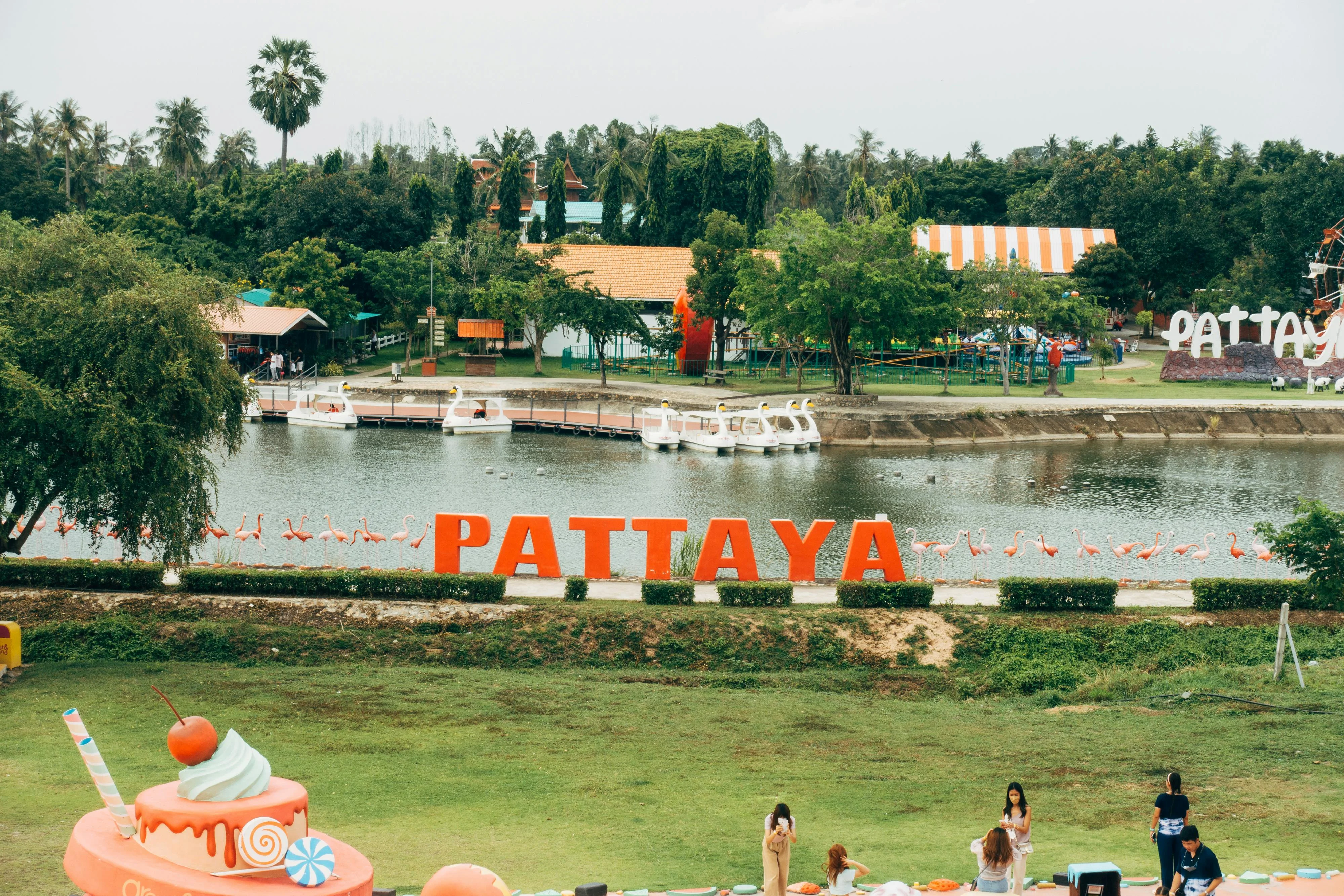
Pattaya has a reputation problem that its long-term residents find exhausting. Most long-term residents rarely visit nightlife zones. Their Pattaya is beaches, coffee shops, gyms, schools, golf, markets, and friendly communities. The city that shows up in expat conversations is not the one that shows up in tabloid headlines.
Cost: A beach view condo runs 20,000 baht per month. Meals start from 60 to 150 baht and the cost of living is higher than Chiang Mai but significantly cheaper than Phuket or Samui while offering superior infrastructure. A comfortable single lifestyle including accommodation, food, transport, and health insurance sits at 30,000 to 50,000 baht per month. For the full rent breakdown by area, see Renting in Thailand 2026.
Lifestyle: Families settle in East Pattaya for international schools and peaceful housing estates. Retirees choose Jomtien's wide beaches and easy walkability. Digital nomads pick Central Pattaya for convenience. Pattaya is Thailand's golf capital with 30 plus championship courses within 45 minutes, green fees running 1,200 to 3,500 baht, significantly below Western countries. Bangkok Hospital Pattaya, Pattaya Memorial Hospital, and international clinics provide quality healthcare at reasonable prices. Regents International School and Garden International School sit within the Chonburi corridor for families.
Bangkok access: 2 hours by road on the expressway. U-Tapao Airport is 45 minutes south with Bangkok flights if you need to fly. The road connection is reliable enough that most residents drive or take a minivan rather than fly.
Who it suits: Retirees who want a beach lifestyle with genuine infrastructure. Families on the Eastern Seaboard industrial corridor. Anyone who wants the widest expat social scene outside of Bangkok at a price Phuket cannot match.
Hua Hin: The Quiet Retiree Beach Town
Hua Hin is the most consistent recommendation for retirees on a fixed income who want a beach lifestyle and the option to reach Bangkok without booking a flight. The pace is slow by design. It is popular with retirees and families, offering golf courses, night markets, and solid healthcare without the heavy tourist crowds of Phuket.
Cost: A one-bedroom condo near the beach costs 15,000 to 22,000 baht per month. Rents run around $500 to $750 USD for one-bedroom condos near the sea, significantly below Phuket or Samui. A comfortable monthly lifestyle sits at 35,000 to 55,000 baht including accommodation, food, transport, and insurance.
Lifestyle: The social scene centres on golf clubs, beachfront restaurants, and expat clubs that meet regularly. Morning beach walks, slow cafe mornings, and organised social events through the Hua Hin Expats Club define the weekly rhythm for most long-term residents. Western supermarkets and international restaurants are available. The night market runs regularly and serves as the main evening activity for residents who are not golfers. Healthcare at the local private hospitals covers routine and general specialist care.
Bangkok access: The airport in Hua Hin has little to no flights, so it is a minimum 3-hour drive into Bangkok or the nearest airport. The train from Hua Hin to Bangkok runs regularly and takes around 4 hours. For planned medical appointments or visa runs, the drive is manageable. For emergencies that require Bangkok's top hospitals, the 3.5-hour road distance is the honest trade-off you accept when choosing Hua Hin.
Who it suits: Retirees who want the slowest pace and lowest stress beach lifestyle. Couples who prioritise golf, beach walks, and a social life built around the expat club rather than city variety. Anyone who does not need Bangkok more than once a month.
Korat (Nakhon Ratchasima): The Authentic City Option

Korat is Thailand's fourth-largest city and one of the least-discussed expat bases in the country. It is gaining popularity among working expats and sits within easy reach of Khao Yai National Park. The city has Terminal 21 Korat, a functioning hospital network, university campuses, and a night market culture. It does not have a significant expat social infrastructure yet, which is both its limitation and the reason it remains genuinely affordable.
Cost: Rents average $250 to $450 USD for clean, centrally located apartments. The median condo rental sits around 9,800 baht per month, making it one of the cheapest urban bases in central Thailand. A comfortable monthly lifestyle runs 28,000 to 42,000 baht.
Lifestyle: Korat runs at a genuine Thai-city pace. The food markets are excellent and local restaurant meals run 40 to 80 baht. The city has shopping malls, cinemas, and a growing cafe scene driven by the university population. Khao Yai National Park is 1.5 hours north, making weekend nature trips practical without a long-distance journey. The expat community is small and social life requires more active effort than Pattaya or Hua Hin. English is less widely spoken than in tourist-oriented cities, which accelerates Thai language learning for people who take it seriously.
Bangkok access: 2.5 hours by expressway. No commercial airport. The road connection is straightforward and most residents drive. For anything requiring Bangkok's hospitals or international flights, the drive is the plan.
Who it suits: Expats who want genuine Thai city life rather than an expat bubble. People with a partner or family connection to the northeast. Anyone prioritising Khao Yai access and lower costs over social infrastructure.
Khon Kaen: The University City With an Airport
Khon Kaen is the strongest option on this list for anyone who needs to fly regularly. The airport has daily Bangkok connections at 1,000 to 3,000 baht one way, which makes the northeast's most affordable city genuinely accessible without a 5-hour road commitment. It is described as better than Korat as a city, with a rural living vibe.
Cost: Cities like Khon Kaen offer some of the lowest rental prices in Thailand, often half the cost of Bangkok, with small apartments and townhouses running 4,000 to 10,000 baht per month. A comfortable monthly lifestyle including a decent condo, food, transport, and insurance sits at 28,000 to 42,000 baht. For how transport costs factor into a provincial city budget, see Transport Costs in Thailand 2026.
Lifestyle: The university population gives Khon Kaen a younger and more active daily energy than other northeast cities. The night market scene is one of the best in the region. Srinagarind Hospital at Khon Kaen University provides a level of specialist medical care that smaller cities cannot match, which matters significantly for retirees with ongoing health needs. The food market culture is excellent and authentic Thai northeast cuisine, which is spicier and more herb-forward than central Thai food, is the dominant dining option. Western food exists but is limited. The expat community is small, multinational in origin, and largely composed of people married into Thai families from the northeast.
Bangkok access: 1 hour by air. 4.5 hours by road. The airport is the reason to choose Khon Kaen over Korat if you need regular Bangkok access without a full-day road commitment.
Who it suits: Expats who need to fly to Bangkok regularly but want the lowest possible cost base. Retirees with health conditions who need a real hospital nearby. Anyone genuinely comfortable with limited Western social infrastructure in exchange for the biggest cost savings on this list.
Kanchanaburi: The Cheapest Option in Thailand With Road Access
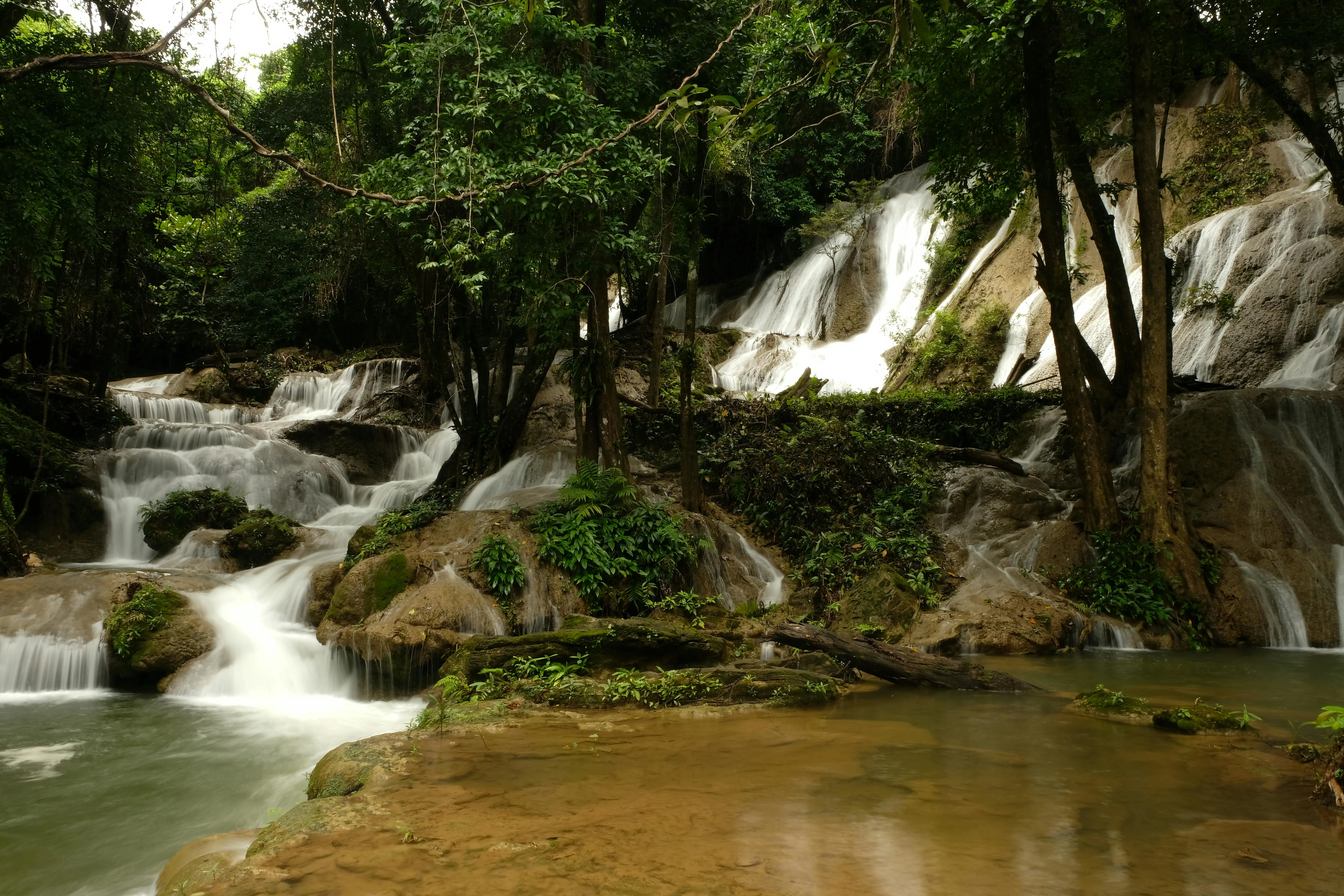
Kanchanaburi is for a specific person. If your lifestyle priorities are nature, quiet, low cost, and proximity to Bangkok for occasional trips, no city in Thailand delivers all four more cleanly. It is a province that perfectly blends tranquility, nature, and convenience, just a short drive from Bangkok.
Cost: A fully furnished one-bedroom apartment with air conditioning, internet, and possibly a gym or pool runs 7,000 to 10,000 baht per month. Finding listings requires checking Facebook groups rather than standard property portals, but the supply is there. A comfortable monthly lifestyle sits at 22,000 to 35,000 baht, making it the cheapest realistic expat base within Bangkok's orbit. For what utilities and internet actually cost at this price point, see Utilities and Internet in Thailand 2026.
Lifestyle: For anyone whose lifestyle loves adventure, natural charm, culture, and an easy-on-the-wallet cost of living, Kanchanaburi is ready to offer tranquility. The Death Railway, the River Kwai, Erawan Falls, and Sai Yok National Park are all within easy reach. The river culture defines daily life here: morning coffee by the water, evening markets along the river road, and weekends that involve waterfalls rather than shopping malls. The expat community is very small and mostly composed of people who have specifically chosen to step away from expat social infrastructure. English is spoken in tourist areas but limited elsewhere.
Bangkok access: 2 hours by road. No airport. Bus services to Bangkok run regularly and cost under 200 baht. The road connection makes Bangkok hospital trips and visa runs practical without overnight stays. The 2-hour distance is the line between genuine access and genuine remoteness.
Who it suits: Anyone who has already lived in Thailand and knows exactly what they are giving up. People who genuinely prefer nature and quiet over restaurants and social events. Budget-maximising retirees in good health who do not need specialist care more than a few times a year.
What You Give Up in Every City
The honest trade-off across all five cities is the same in different degrees. Healthcare beyond routine care requires Bangkok. Specialist medical attention for complex conditions means planning a trip rather than booking a same-day appointment. Western food variety narrows significantly outside Pattaya and Hua Hin. The expat social scene in Korat, Khon Kaen, and Kanchanaburi requires active effort rather than passive absorption.
The cost savings are real. A single expat in 2026 can live comfortably in low-cost Thai cities in the range of 20,000 to 35,000 baht per month. Whether that saving justifies the infrastructure gap depends on your health, your social needs, and how long you have lived in Thailand. For a first-time Thailand base, the infrastructure gaps in these cities are more disorienting than the savings are satisfying. For an expat who has already established a Thai routine and knows what they do and do not use in a bigger city, the savings calculation becomes compelling.
Where to Go from Here
For what a full $2,000 monthly budget looks like across Thai cities: Living in Thailand on $2,000 a Month.
For food costs that apply regardless of which city you choose: Food Costs in Thailand 2026.
For the full rent breakdown by city and apartment type: Renting in Thailand 2026.
For the complete Thailand cost of living overview: Thailand Cost of Living 2026.