Living in Thailand on $2,000 a Month: What It Actually Looks Like
$2,000 a month gets you a completely different life depending on which Thai city you choose. In Chiang Mai it is comfortable. In Bangkok it is workable. In Phuket it is tight. The city decision is the most important financial decision you will make before you arrive.
At current exchange rates, $2,000 USD converts to approximately 70,000 to 72,000 baht per month. This guide shows exactly where that goes in each city.
$2,000 a Month in Chiang Mai
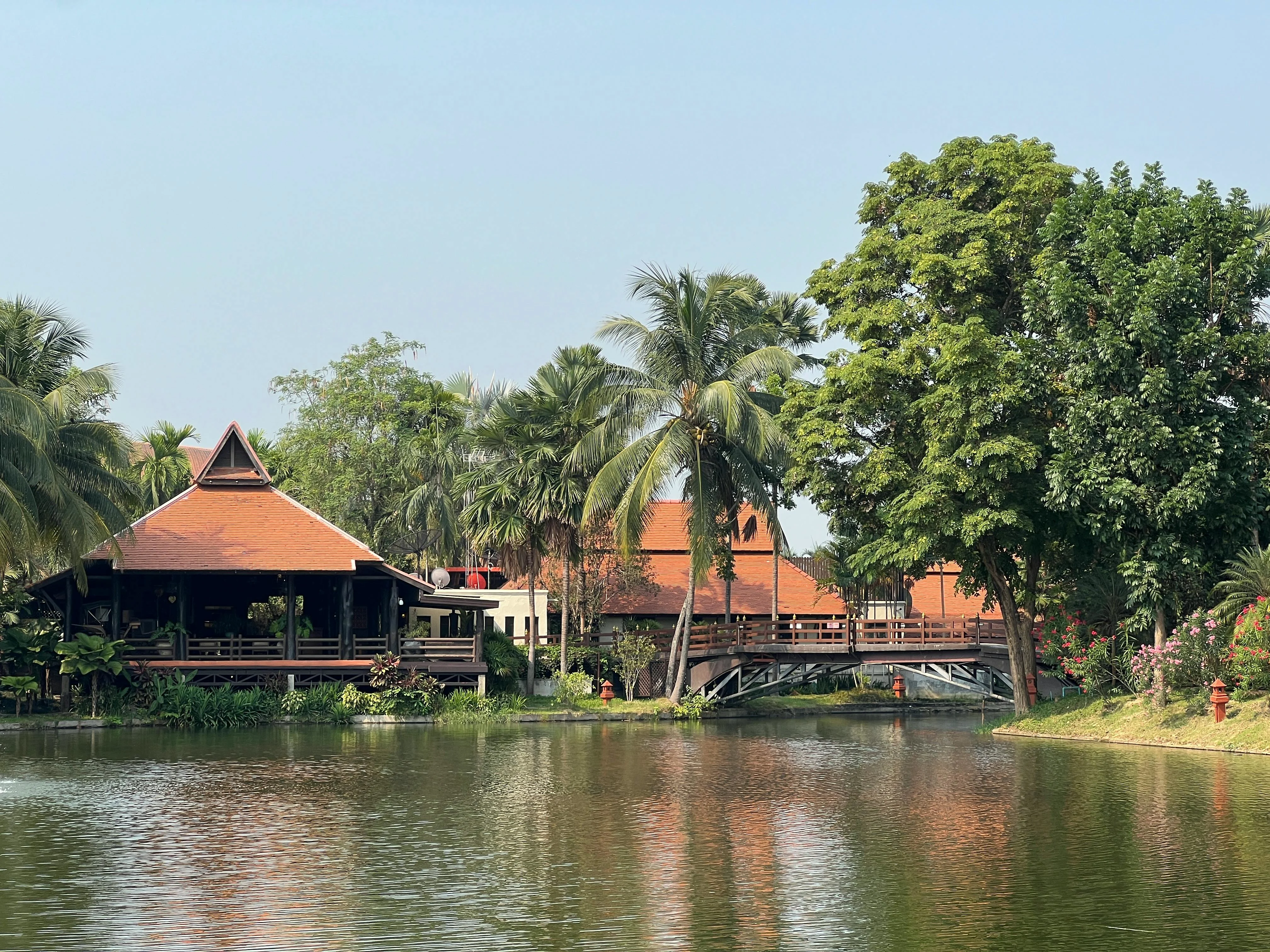
Chiang Mai is where $2,000 a month feels like it was designed for you. A one-bedroom condo with a pool and gym in Nimman costs 14,000 to 18,000 baht per month. Food runs 12,000 to 16,000 baht covering a mix of local restaurants, Western meals, and groceries. A comprehensive health insurance policy for a 40-year-old sits at 5,000 to 8,000 baht per month. After accommodation, food, insurance, and transport you still have 23,000 to 36,000 baht for co-working, travel within Thailand, and personal spending.
That remaining budget is the difference. It covers weekend trips to the islands, a co-working membership, and enough social spending to say yes to most invitations without tracking every baht.
$2,000 a Month in Bangkok
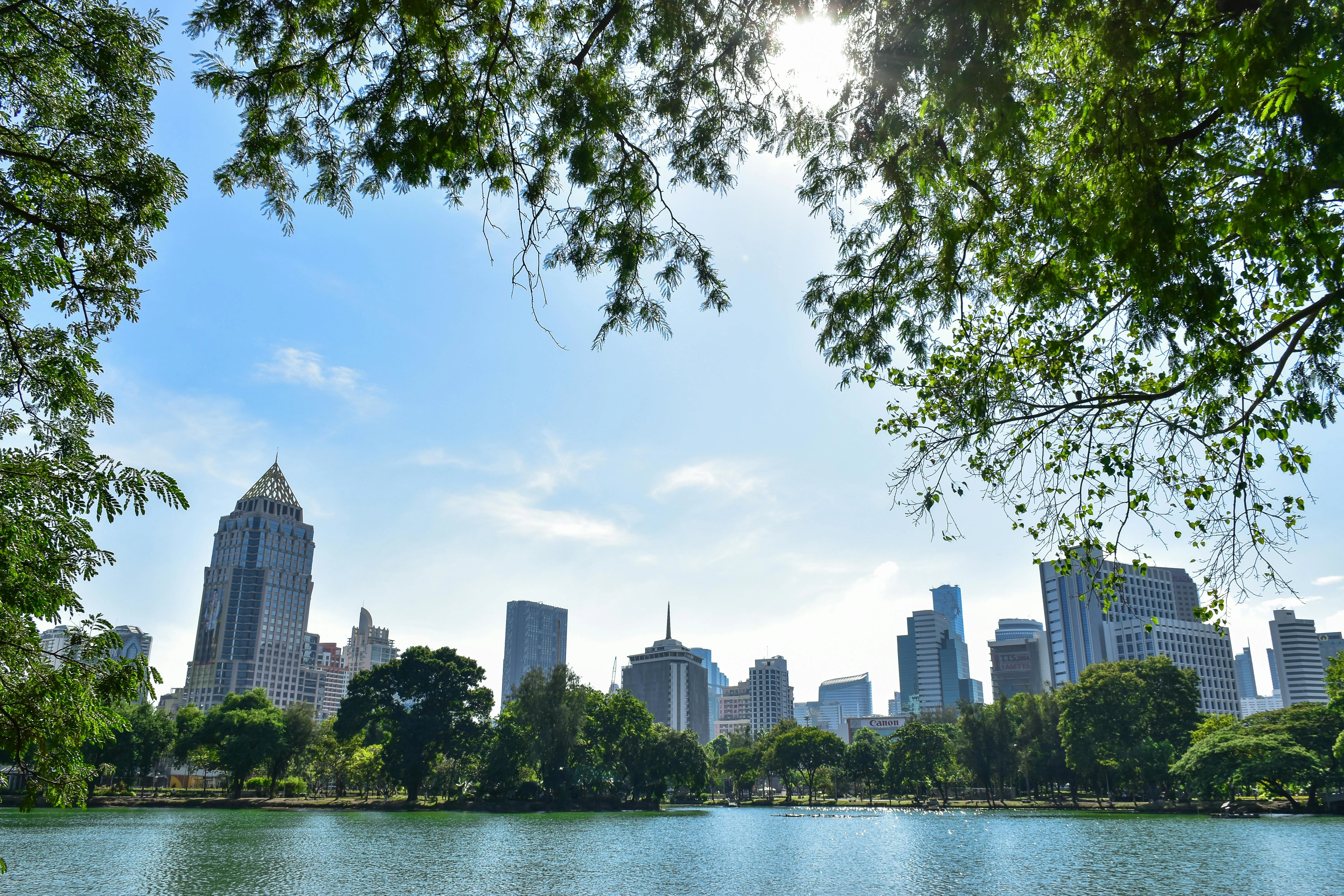
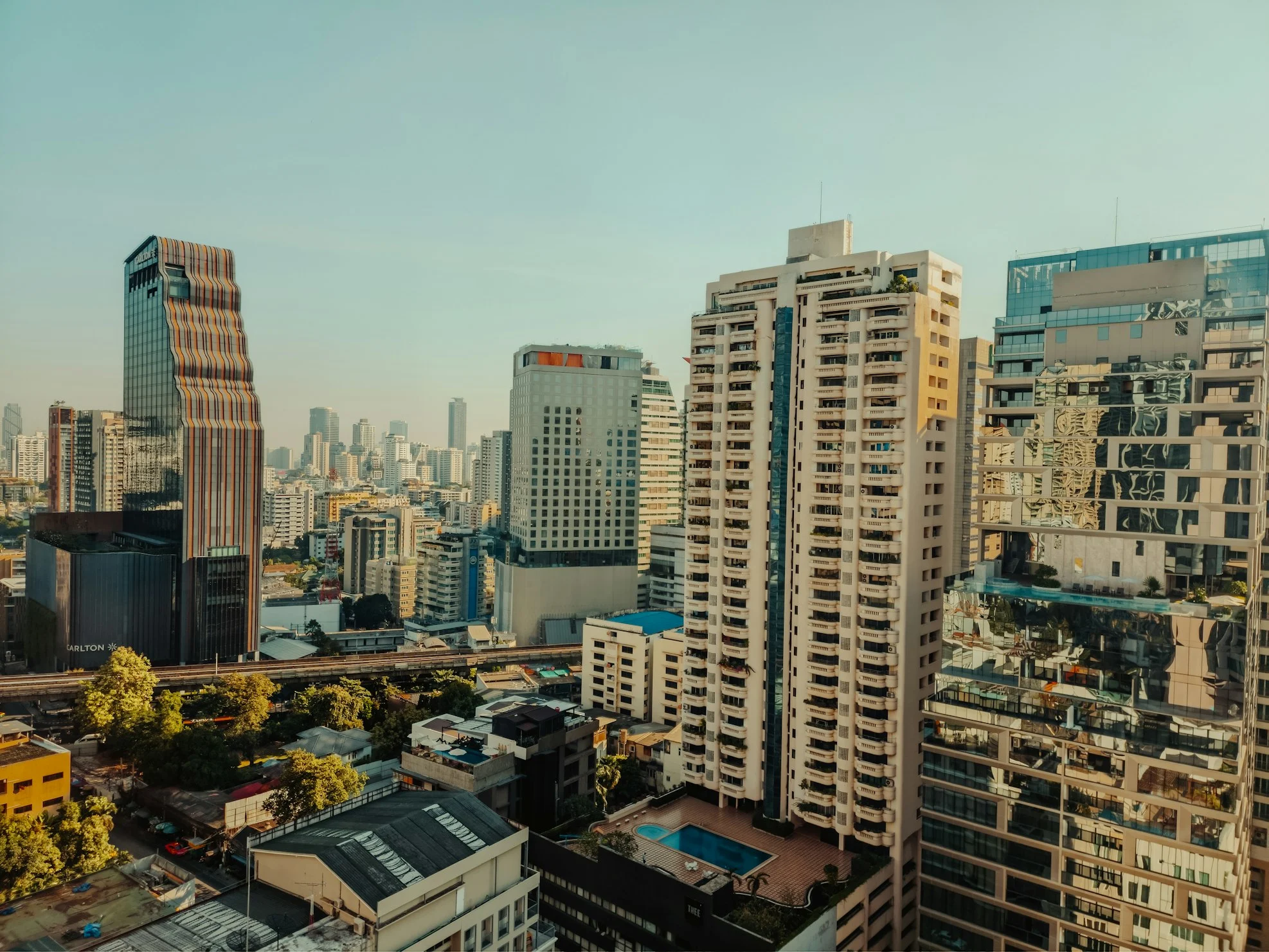
Bangkok works on $2,000 a month but it requires more attention. A one-bedroom condo in a decent Sukhumvit location costs 22,000 to 30,000 baht. After accommodation, food, insurance, and transport, you have 10,000 to 20,000 baht for discretionary spending. That covers basic dining out and transport but not significant travel or regular luxury spending.
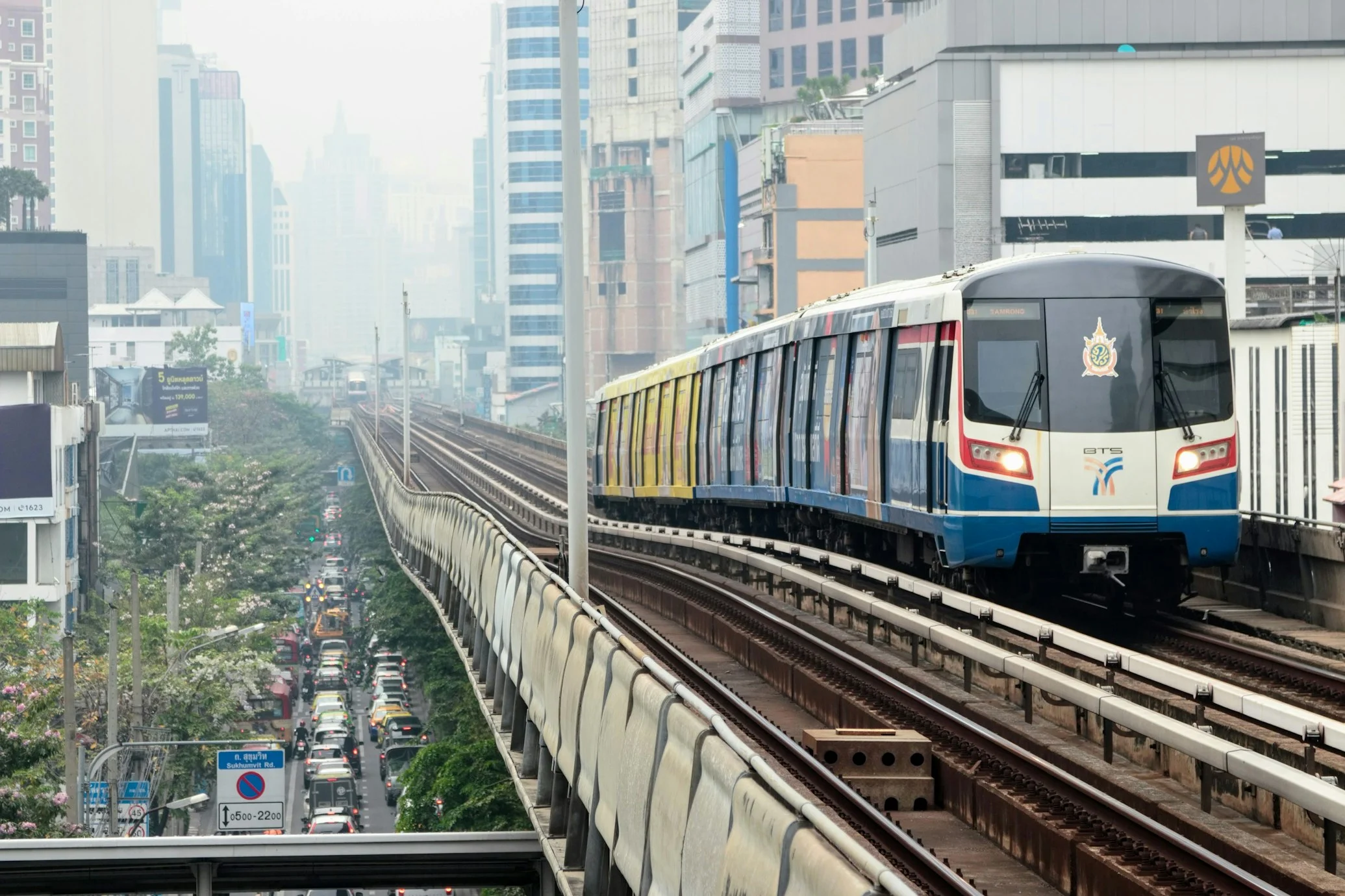
The budget becomes meaningfully more comfortable with a neighbourhood adjustment. Choosing Ari, Lat Phrao, or On Nut instead of Thonglor or Phrom Phong cuts accommodation by 5,000 to 10,000 baht per month while keeping you on the BTS and within easy reach of good amenities. Bangkok's cost problem is almost always an accommodation problem. Solve the neighbourhood and the rest of the budget becomes manageable.
$2,000 a Month in Phuket

Phuket on $2,000 a month is tight for anything above basic. A one-bedroom condo in Rawai or Chalong runs 15,000 to 22,000 baht. The island's logistics premium pushes food and goods costs above Chiang Mai levels across most categories. After core expenses, discretionary spending sits at 10,000 to 15,000 baht per month.
That remaining budget is enough for a quiet beach lifestyle with limited eating out and no significant travel. It does not stretch comfortably to the social life or restaurant culture that makes Phuket appealing in the first place. Phuket rewards higher budgets more than either Chiang Mai or Bangkok.
Side by Side: Where the Money Goes
Category | Chiang Mai | Bangkok | Phuket |
|---|---|---|---|
Accommodation | 14,000–18,000 baht | 22,000–30,000 baht | 15,000–22,000 baht |
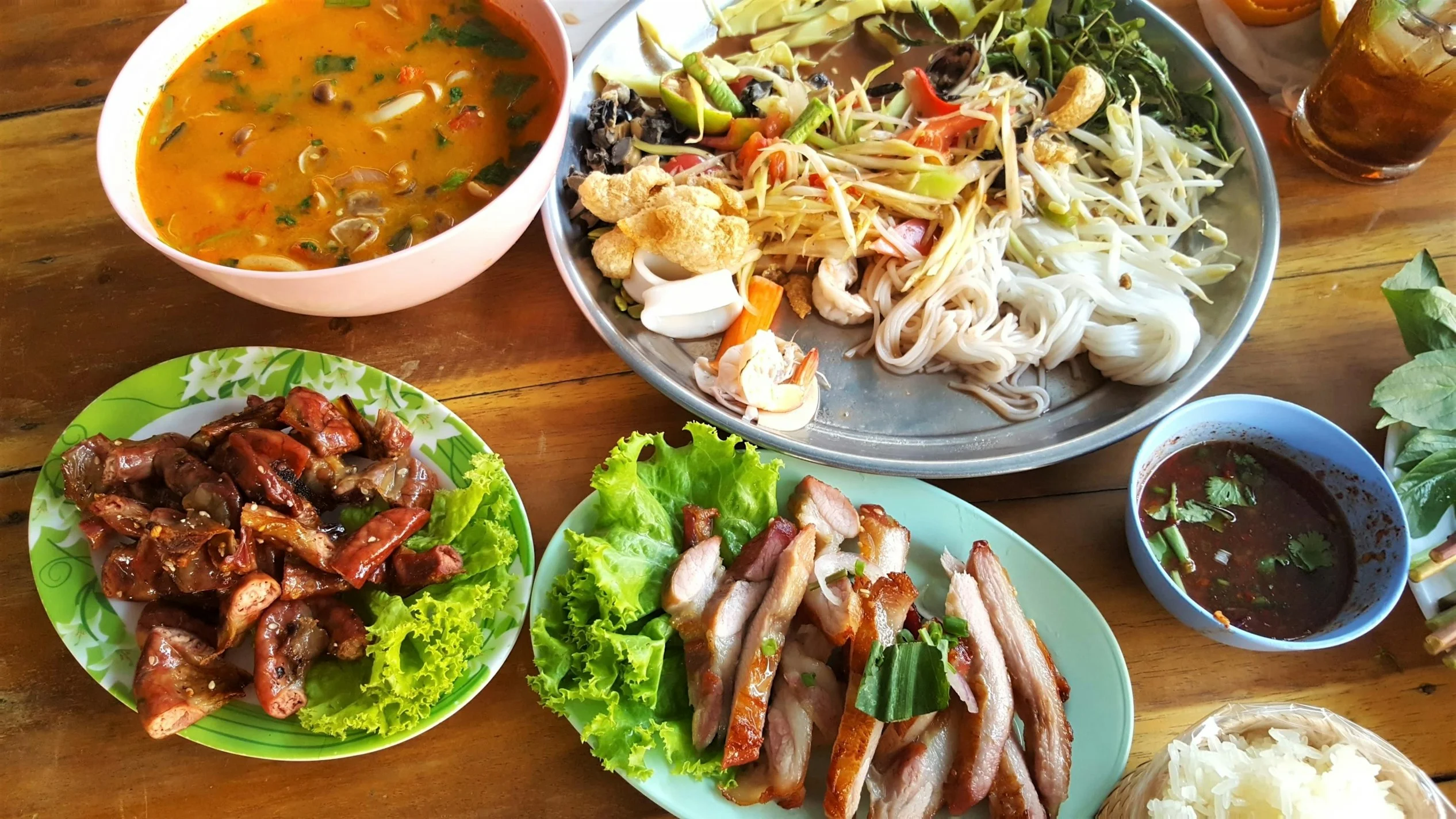
Food | 12,000–16,000 baht | 15,000–20,000 baht | 14,000–18,000 baht |
Health insurance | 5,000–8,000 baht | 5,000–8,000 baht | 5,000–8,000 baht |
Transport | 3,000–5,000 baht | 4,000–7,000 baht | 4,000–6,000 baht |
Remaining | 23,000–36,000 baht | 5,000–21,000 baht | 10,000–15,000 baht |
The 25 to 30 percent cost differential between Chiang Mai and Bangkok on a $2,000 budget is the main reason most remote workers and early retirees choose Chiang Mai as a first Thai base. For the full city-by-city cost comparison, see Cheapest Cities to Live in Thailand 2026.
Where the Budget Gets Eaten
Air conditioning is the most consistently underestimated expense for new arrivals. During the hot season from March to May, AC runs continuously and electric bills double or triple. A one-bedroom condo in a hot month can cost 3,000 to 5,000 baht in electricity alone. Budgeting an average of 3,500 baht per month across all seasons is realistic for a one-bedroom unit. For the full utilities picture, see Utilities and Internet in Thailand 2026.
Health insurance is the expense people cut first and regret first. A $2,000 per month budget without health insurance is a real financial risk. A single unexpected hospital visit costs 15,000 to 50,000 baht. One serious event removes months of budget surplus in a single afternoon. Build insurance into the core budget from day one rather than treating it as optional.
Eating out in Bangkok adds up faster than anywhere else in Thailand. Saying yes to expat dinners, rooftop bars, and weekend brunches in Bangkok at 400 to 800 baht per meal quickly breaks a food budget. Keeping breakfast and lunch at home holds food costs predictable even in an expensive city. For a complete breakdown of what food actually costs across all formats, see Food Costs in Thailand 2026.
What This Budget Does Not Cover
These figures cover month-to-month living only. Three additional costs sit outside this budget and need separate planning.
Visa costs add approximately 5,000 baht per year for fees and any immigration-related travel. The specific requirements depend on which visa you hold. International flights add 30,000 to 80,000 baht per year if you fly home once annually. Setup costs for a new apartment, including deposits and initial furniture, typically run 30,000 to 60,000 baht in the first month.
A $2,000 per month budget works cleanly if you treat it as a Thailand-only operating budget and plan international costs separately.
Exchange Rate Risk
A 10 percent shift in the dollar to baht rate adds or removes approximately 7,000 baht from a 70,000 baht monthly budget. Over a year that is a meaningful sum in either direction. Keeping three to six months of living expenses in baht in a Thai bank account provides a practical buffer against short-term currency movements and removes the pressure of timing transfers during unfavourable rate periods.
Making the Most of $2,000
The city choice determines whether $2,000 a month feels comfortable or pressured. The neighbourhood choice within that city determines whether accommodation leaves room for anything else. The lifestyle choices around food and social spending determine whether the remaining budget builds a cushion or disappears.
All three are decisions you make before you arrive, not after. Getting the city right is the first one. For the full rental cost picture across every major Thai city, see Renting in Thailand 2026: What Apartments Actually Cost by City. For transport costs that affect your monthly total depending on city and lifestyle, see Transport Costs in Thailand 2026.
Where to Go from Here
For the full cost of living comparison across every major Thai city: Thailand Cost of Living 2026.
For which cities deliver the most value at lower budget levels: Cheapest Cities to Live in Thailand 2026.