Chiang Rai vs Chiang Mai: Which One Should You Visit?
Most people treat this as a choice. It is not. It is a sequence. Chiang Mai for four to seven nights, Chiang Rai as a two-night extension, bus between them in three hours. That itinerary answers the question before it becomes a debate.
If you genuinely can only visit one, the decision is straightforward once you are honest about what you are actually after.
The Core Difference
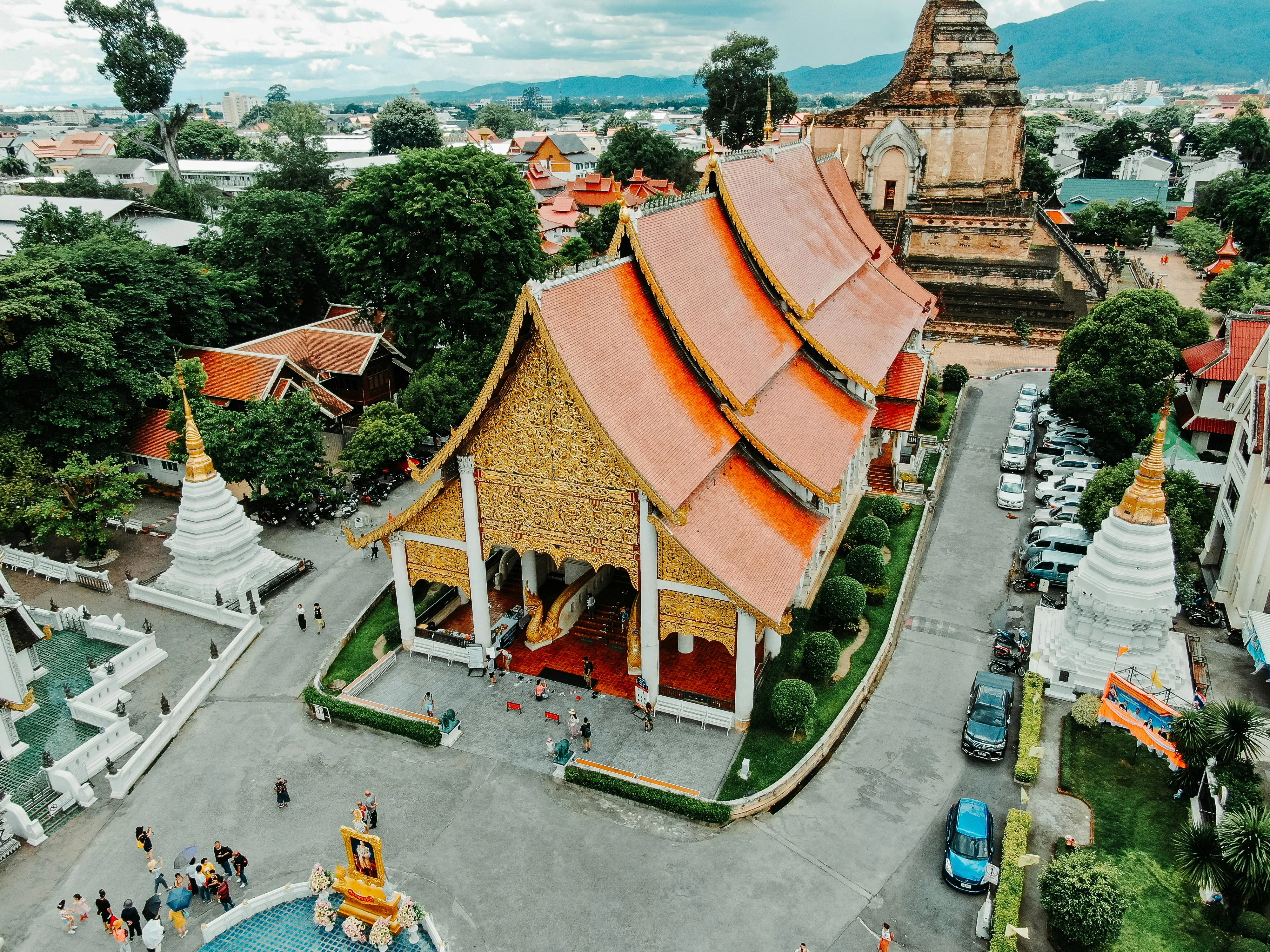
Chiang Mai is a city. It has an international airport, dozens of co-working spaces, over 300 temples, a year-round tourist economy, and a restaurant scene that runs ten times deeper than anything in the north. It gets 10 million visitors a year and the infrastructure shows it.
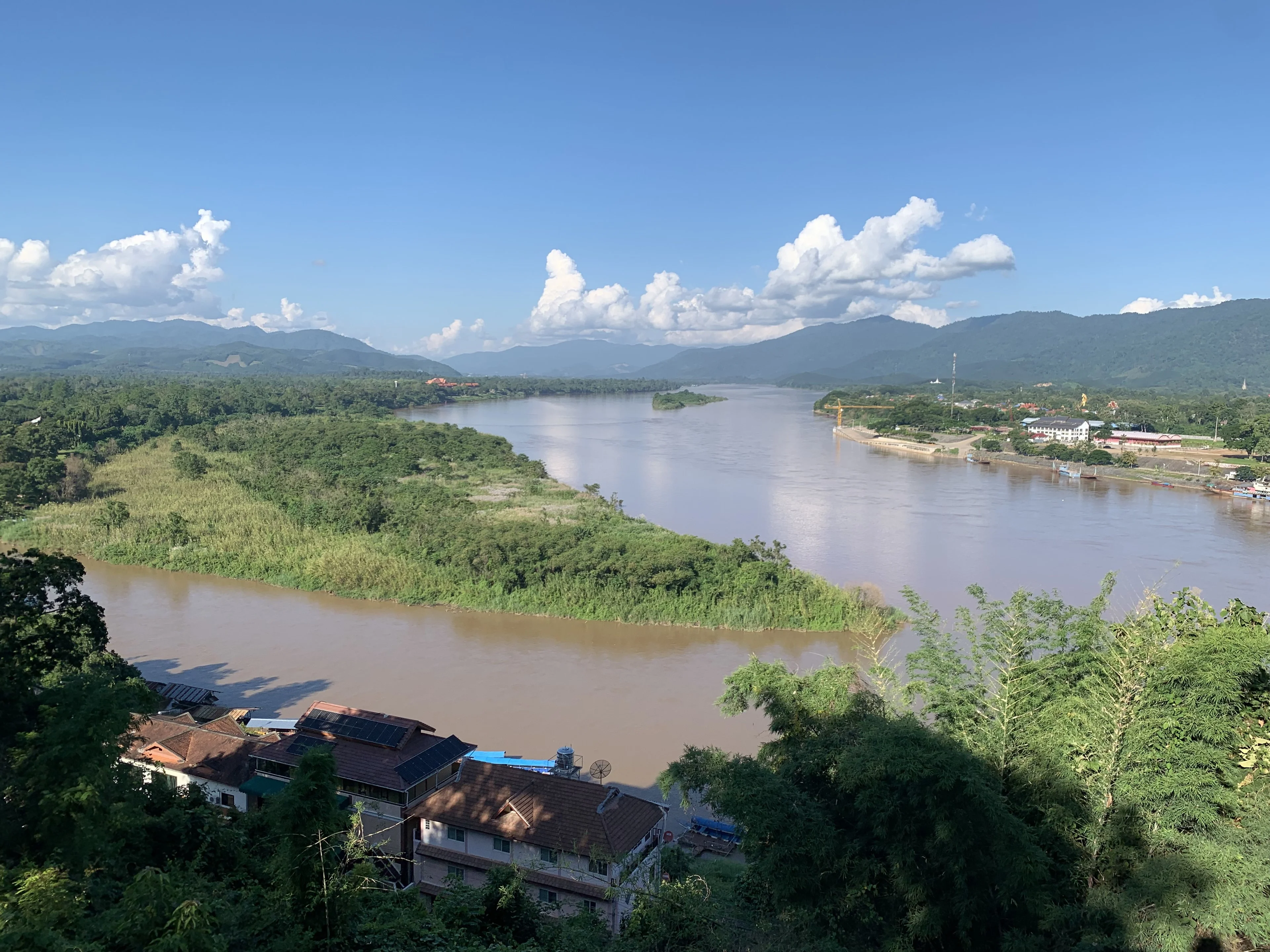
Chiang Rai is a small provincial city. It has three temples worth going out of your way for, the Golden Triangle border region, and a pace that exists specifically because tourists keep choosing Chiang Mai instead. That is not a consolation. For the right kind of traveller, it is the whole point.
Cost
Chiang Rai is cheaper across every category. A guesthouse room runs 300 to 700 baht per night. The equivalent in Chiang Mai costs 400 to 1,200 baht. Local food is cheaper. For long-term stays, monthly apartment rents in Chiang Rai run 20 to 30 percent below Chiang Mai for comparable accommodation.
The cost gap matters more for long stays than short ones. For a two or three night visit, the difference in your total bill is minor. For anyone considering Chiang Rai as a longer base, see Small Towns in Thailand Worth Living In.
Infrastructure
Chiang Mai wins this category without contest. International flights, multiple hospitals, extensive English-speaking services, and a co-working scene that has served digital nomads for over a decade. For anyone working remotely or staying more than two weeks, Chiang Mai is the practical choice by a significant margin.
Chiang Rai has an international airport with domestic Thai routes and limited regional connections. Healthcare is adequate for routine needs. Anything serious goes to Chiang Mai's hospital system, which is the regional standard for the north.
Things to Do
Chiang Mai has more of everything: 300 plus temples, Doi Suthep mountain, the Sunday Walking Street, the night bazaar, and day trip options in every direction. Volume is Chiang Mai's advantage. If variety is the priority, Chiang Mai wins by a wide margin. For a full breakdown, see Best Things to Do in Chiang Rai and compare it against what Chiang Mai's calendar looks like during your dates.
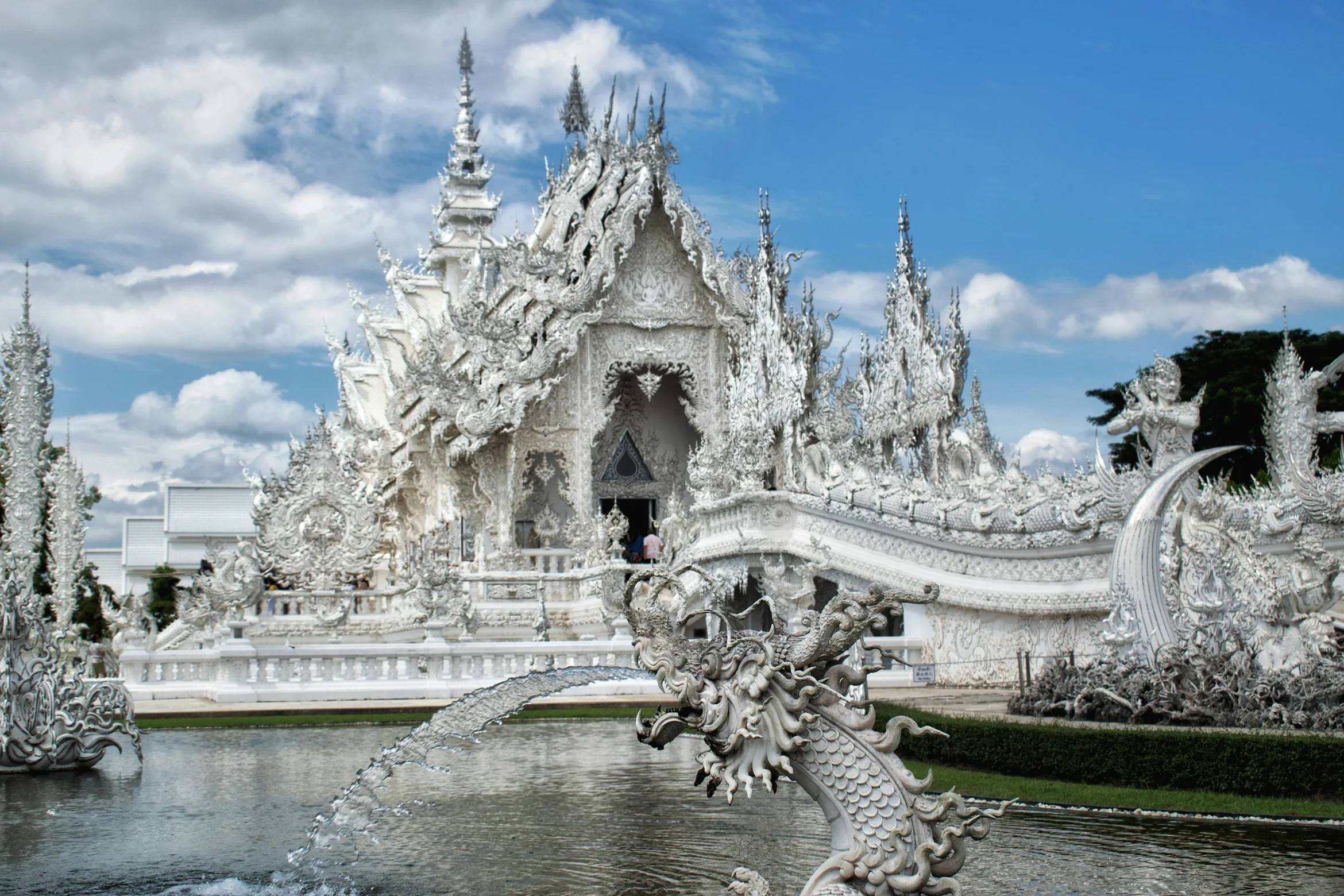
Chiang Rai's attractions are concentrated rather than scattered. The White Temple, the Blue Temple, Baan Dam, and the Golden Triangle circuit are all within easy reach and all genuinely worth the trip. The White Temple alone justifies the journey for most visitors. If you want the detail on that before deciding, Wat Rong Khun (White Temple): What to Know Before You Go covers everything. For the Golden Triangle specifically, The Golden Triangle: What It Is and Whether It Is Worth the Drive gives you an honest answer.
Pace
The 10 million annual visitors to Chiang Mai are visible everywhere: the Old City tuk-tuk drivers, the English-language menus at every restaurant entrance, the temple compounds that fill up before 9am on weekends. None of this is bad, exactly. It is simply what a popular city looks like at scale.
Chiang Rai feels immediately different. Quieter streets, less aggressive tourism infrastructure, temple compounds where you can actually stand still without being nudged forward by a group. For travellers who find Chiang Mai's tourist volume exhausting by day three, Chiang Rai offers the northern Thailand experience without the noise.
Burning Season

Both cities are affected. Burning season runs from mid-January through March, with peak smoke in late February and March. Chiang Rai is generally worse than Chiang Mai during the peak because the border region with Myanmar and Laos adds agricultural burning from those countries on top of the local Thai burning. AQI readings in Chiang Rai regularly hit hazardous levels above 150 during the worst weeks.
For anyone with respiratory sensitivity, avoid both cities from February through mid-April. Bangkok is the better northern escape alternative during that window. If your travel dates fall in November through January, both cities are at their best and Chiang Rai in particular is worth prioritising before the smoke arrives.
Who Should Choose Which

🏙️ Visit Chiang Mai if:
💻 You are working remotely and need co-working infrastructure
🌏 You are visiting northern Thailand for the first time and want the comprehensive base
📅 You plan to stay more than two weeks
🗺️ You want to use a city as a hub for day trips in multiple directions
🛕 Visit Chiang Rai if:
🤍 You specifically want the White Temple and Golden Triangle
🧘 You have been to Chiang Mai before and want something slower
🍂 You are travelling between November and January and want a quieter experience
🚌 You are adding it as a two-night extension to an existing Chiang Mai stay
✈️ Visit both if:
📆 You have seven or more days in the north
🏡 Chiang Mai for the base, Chiang Rai for the extension
🎟️ The bus takes three hours and costs under 200 baht
Practical Comparison
Category | Chiang Mai | Chiang Rai |
|---|---|---|
Guesthouse per night | 400–1,200 baht | 300–700 baht |
International flights | Yes | Limited |
Co-working spaces | Extensive | Very limited |
Hospital access | Excellent | Adequate |
Temple count | 300+ | 3 unmissable |
Annual visitors | 10 million | Significantly fewer |
Burning season severity | Moderate–bad | Bad–worse |
Best travel months | Nov–Jan, Apr–May | Nov–Jan |
Where to Go from Here
If Chiang Rai is the destination, start with the practical logistics: Best Hotels in Chiang Rai 2026 covers what to book and what to skip across every budget.
For what to actually do once you are there: Best Things to Do in Chiang Rai.
For where and what to eat: Chiang Rai Food Guide: The Night Bazaar and Beyond.
For the full Chiang Rai destination overview: Chiang Rai Travel Guide 2026.
First-time visitors to northern Thailand almost always find Chiang Mai more satisfying because it offers more. Return visitors often prefer Chiang Rai for the same reason they stopped going to Chiang Mai: the crowds thinned out and the experience sharpened. Both responses are correct.