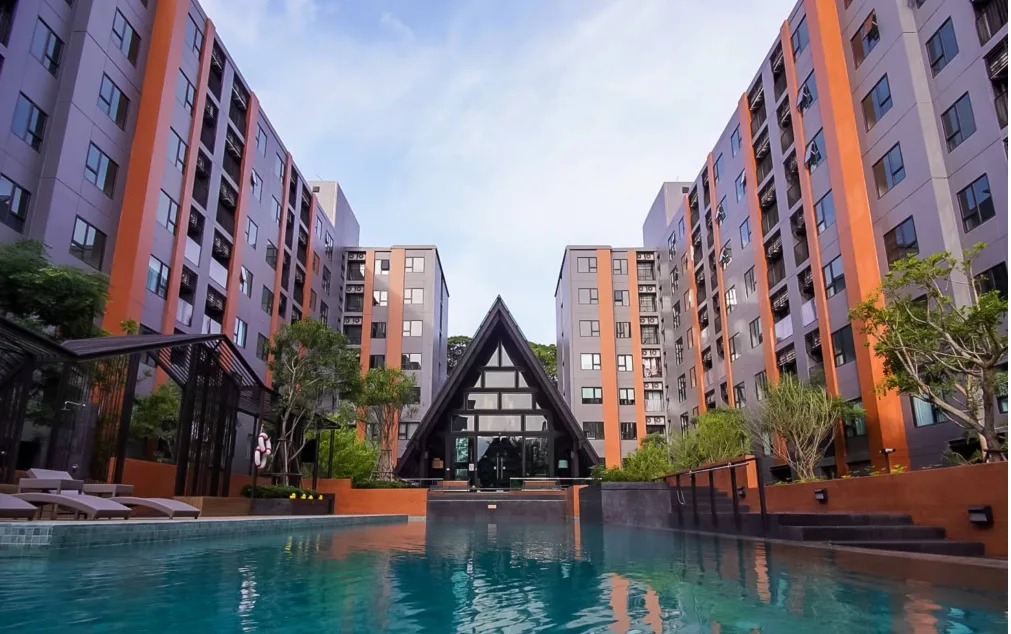
Renting an Apartment in Chiang Mai: What to Know Before You Sign
Hotels are fine for the first two weeks. After that, renting makes more sense financially, practically, and in terms of how much you actually settle into the city.
The Chiang Mai rental market is large, reasonably priced, and not particularly complicated once you understand how it works. The mistakes people make are almost always the same: booking remotely based on photos, signing a long contract before seeing the neighbourhood properly, or not asking the right questions about utilities before the first bill arrives.
This guide covers current prices by neighbourhood, where to search, what to ask before signing, and what the contract actually means for you as a foreigner.
For the broader picture on Chiang Mai costs and neighbourhoods, read the Chiang Mai Guide. For a deep dive on which neighbourhood suits your lifestyle, read the Best Neighbourhoods in Chiang Mai Guide.
What renting in Chiang Mai actually looks like
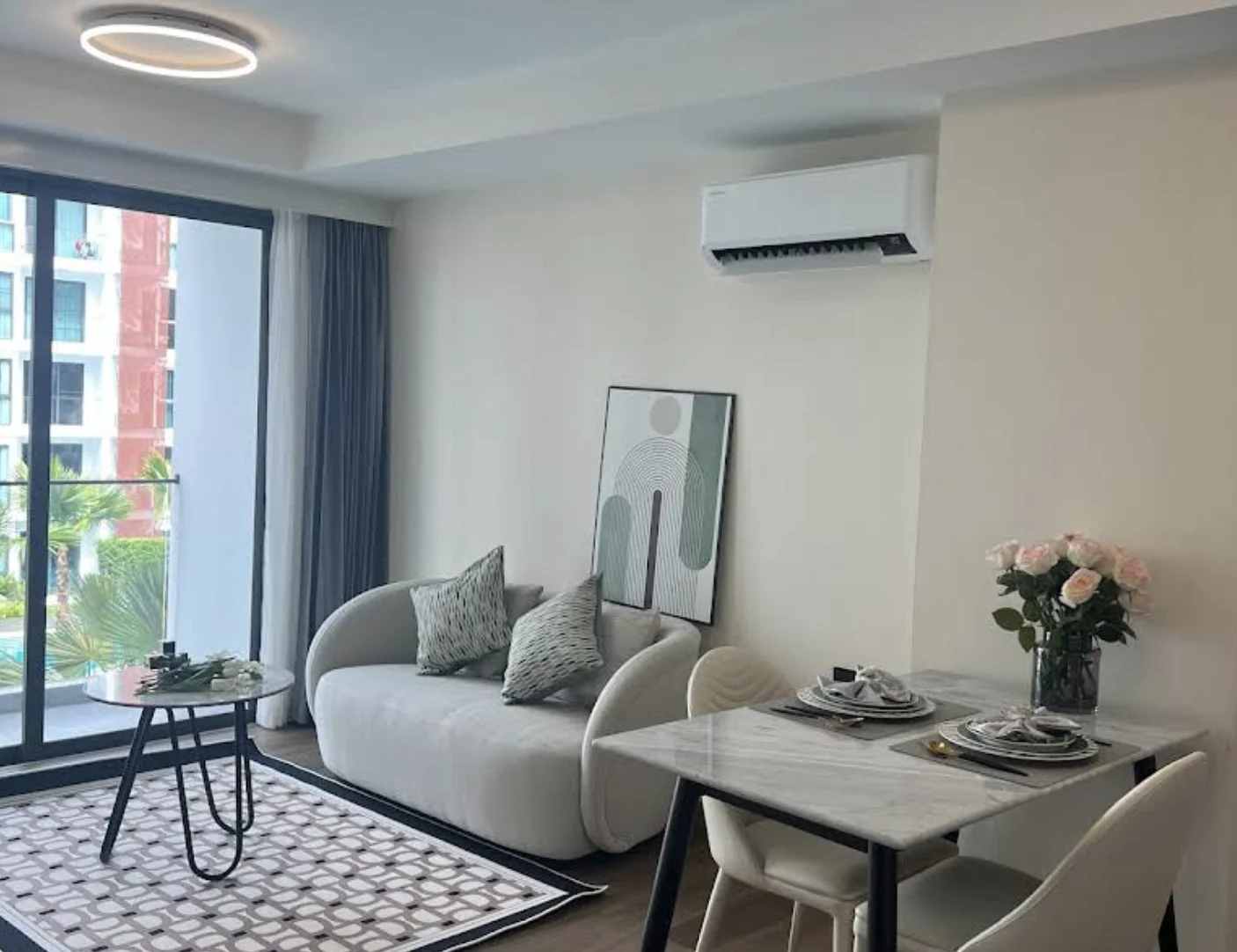
Most foreign renters in Chiang Mai end up in furnished condos or serviced apartments. Unfurnished units exist but are less common in buildings that cater to international residents. The standard setup is a studio or one-bedroom unit with a bed, desk, wardrobe, kitchen or kitchenette, and air conditioning included.
Short-term rental of condominium units in Thailand is a legally complex area. Renting a condo unit on a nightly basis without proper licensing has been ruled illegal in Thai courts. For renters rather than hosts, this matters only in one way: if you are renting through a platform that lists individual condo units for short stays, check whether the landlord is operating legally. For monthly stays through direct landlord agreements, this is not a concern.
Most buildings in Chiang Mai run their own rental operations directly. Landlords here are typically the building management office or the individual unit owner. Both are straightforward to deal with once you are talking to the right person.
What things cost by neighbourhood
These are current market rates for a furnished studio or one-bedroom unit on a monthly contract. Prices vary by building age, floor height, view, and included amenities.
Neighbourhood | Studio / 1BR monthly range | What you typically get |
|---|---|---|
Nimman | 10,000 to 25,000 baht | Pool, gym, fast WiFi, walkable location |
Old City | 8,000 to 18,000 baht | Central location, older buildings, fewer amenities |
Santitham | 5,000 to 12,000 baht | More space, quieter streets, scooter recommended |
Hang Dong | 15,000 to 40,000 baht | Houses with gardens, suburban feel, car essential |
Near Central Festival | 12,000 to 20,000 baht | Modern buildings, pool, mall access |
A brand-new luxury building in Nimman with top-notch facilities might have one-bedroom units starting closer to 18,000 to 20,000 baht. An older building in the same area might offer a one-bedroom for around 10,000 baht. Santitham remains one of the most budget-friendly central areas, with good deals for those willing to rent in older complexes.
Utilities are almost always separate from rent. Electricity is the one that surprises people. Running air conditioning in Chiang Mai for most of the day can add 2,000 to 5,000 baht per month to your bill depending on the unit and season. Water is typically 200 to 400 baht per month. Some buildings charge a building management fee on top.
How to find a place
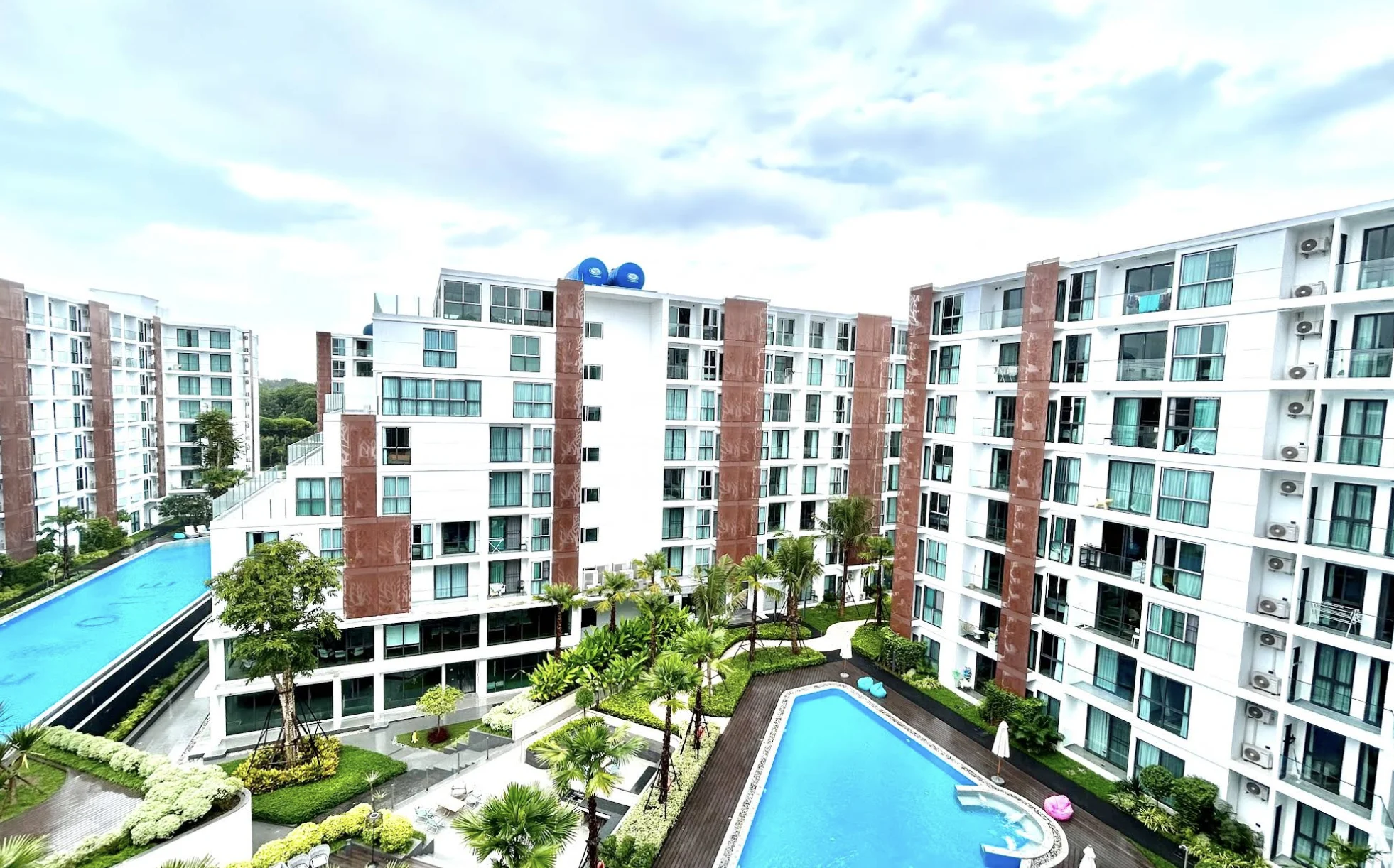
Search online first, but do not commit online. The most useful platforms for Chiang Mai are FazWaz, Hipflat, PropertyScout, and RentHub. They give a realistic picture of what is available and at what price before you arrive. Do not book long-term based on photos alone.
Walk the neighbourhood when you arrive. Many of the best buildings in Nimman and Santitham do not list heavily online. They rely on foot traffic, word of mouth, and a sign on the gate. Spend two or three days in a hotel or short-stay apartment, then walk the streets you actually want to live on and look for buildings with vacancy signs.
Facebook groups. Chiang Mai Expats and Chiang Mai Digital Nomads on Facebook both have active rental listings sections. Units posted here are often priced better than portal listings because there is no agent fee involved.
Ask your hotel or guesthouse. Long-stay properties in Chiang Mai often know the local rental market well. A good front desk will point you toward buildings nearby without asking for anything in return.
Use an agent for Hang Dong and longer-term contracts. For suburban houses or contracts over six months, a local agent earns their fee. Most charge one month's rent as commission paid by the landlord, not the tenant, but confirm this upfront.
What to check before you sign
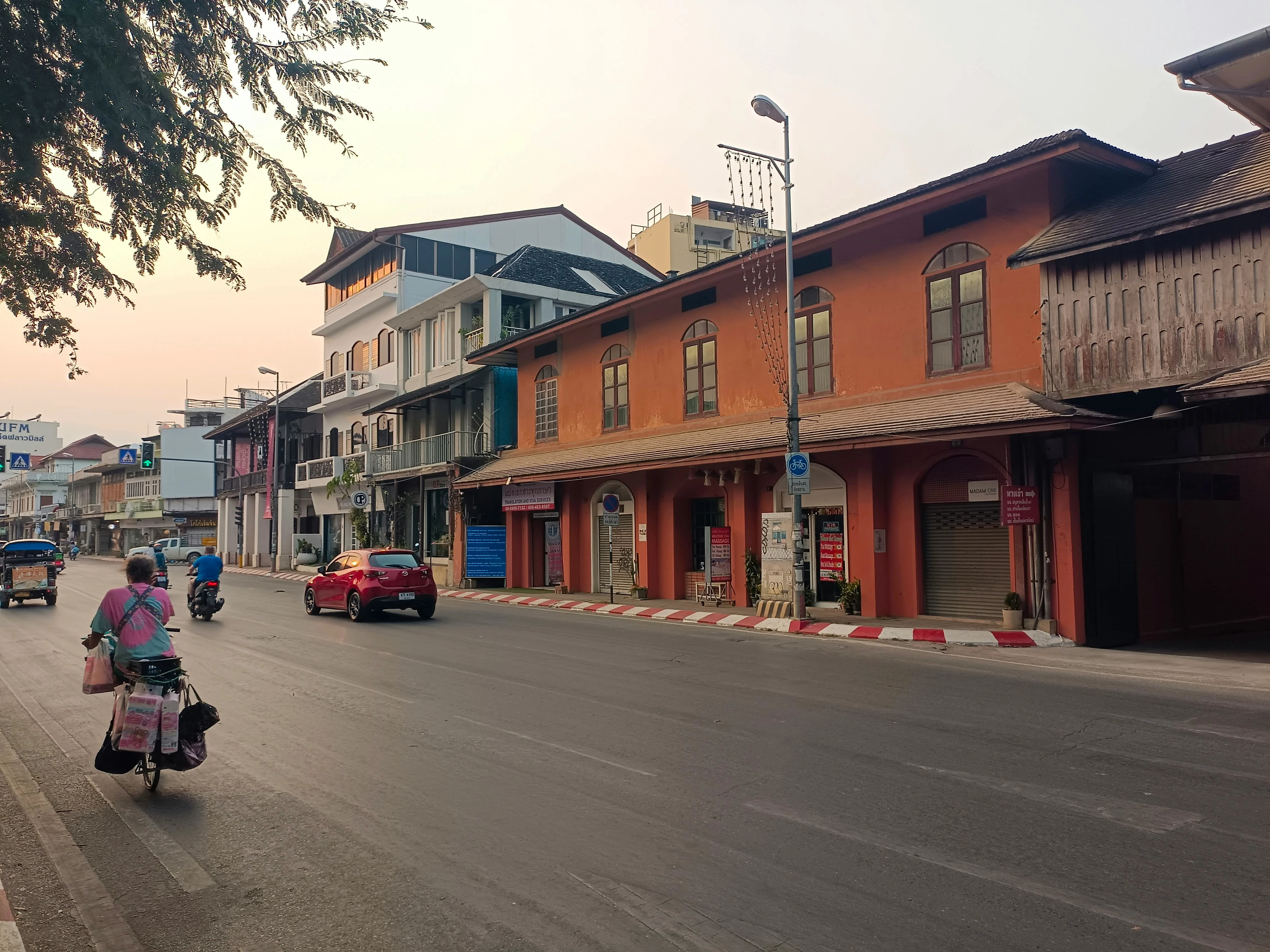
See the unit in person. Photos in Chiang Mai rental listings are reliably flattering. Natural light, room size, street noise, and the condition of appliances are all things that only become clear in person.
Test the WiFi before signing. Ask the landlord for the building WiFi password and run a speed test from inside the unit. If the speed does not support your working needs, no contract is worth signing. This matters most in older buildings in the Old City and Santitham where infrastructure varies significantly by building.
Check the electricity meter. Some buildings charge government rate for electricity (around 4 to 5 baht per unit). Others charge a building rate that can run to 8 or 9 baht per unit. The difference adds up fast with air conditioning running daily. Ask directly: "Do you charge government rate or building rate for electricity?"
Ask about included utilities. Water, internet, cable, and building management fees are sometimes included in the headline rent figure and sometimes not. Get clarity on exactly what you pay monthly before signing.
Inspect appliances and note existing damage. Take photos of everything before moving in: any marks on walls, the condition of appliances, window screens, and bathroom fixtures. Send these to the landlord by LINE or email the same day you move in. This protects your deposit when you leave.
The contract and deposit

Most Chiang Mai landlords use straightforward Thai-language contracts. If you do not read Thai, ask for an English translation or have the key terms explained before signing. The things that matter most are the lease duration, the notice period required to exit, and what conditions can result in deposit deductions.
Deposit is typically two months' rent. This is standard across Chiang Mai regardless of neighbourhood or price point. Some landlords ask for one month on shorter contracts. Under Thai property law, leases of more than three years must be registered on the building's certificate of title to be legally enforceable. For the one to three month contracts most nomads and short-term expats sign, registration is not required and the standard landlord agreement is sufficient.
Minimum contract length is typically one to three months. Shorter than one month is handled as a hotel or serviced apartment arrangement at a higher nightly rate. Contracts of three months or more unlock meaningfully lower monthly rates and are worth asking for if your plans are firm.
Notice period is usually 30 days. Check this specifically. Some contracts require 60 days notice for early termination. If your visa or travel plans are uncertain, negotiate a shorter notice period or a break clause before signing.
Negotiate on longer contracts. A six-month or twelve-month commitment almost always unlocks a discount of 10 to 20 percent below the advertised monthly rate. The number is rarely posted anywhere. Ask directly: "What is your best rate for a six-month contract?"
What foreigners can and cannot do
Foreigners cannot own land in Thailand. Renting has no such restriction. The Thai government has been working on extending leasehold terms for foreigners from 30 years to up to 99 years for major real estate investments, though this applies to large-scale property investment, not standard apartment rental. For monthly apartment rental, there are no legal restrictions on foreigners and no special documentation required beyond a passport.
Some landlords ask for a copy of your passport and current visa. This is standard and not cause for concern. A few buildings ask for proof of income or employment for longer contracts. This is less common but not unusual for premium Nimman buildings.
What to avoid
Do not commit to a long contract before spending time in the neighbourhood. A great apartment in the wrong area is still the wrong area. Spend at least three days living in a neighbourhood before signing a three-month contract there.
Do not ignore the commute. Chiang Mai feels small until you are making the same trip twice a day in heat. If you are working from a coworking space, walk the route from the apartment before signing. What looks like 15 minutes on Google Maps can feel very different at 2pm in April.
Do not skip the electricity rate question. This is the most common financial surprise for new renters in Chiang Mai. Ask before signing, not after.
Do not rent in burning season without confirming air purifiers. If you are arriving between February and April and planning to stay two months or more, ask whether the building has air purifiers in units or common areas. It is a reasonable question that tells you immediately whether the building management takes the annual smoke season seriously. For the full burning season picture, read the Chiang Mai Burning Season Guide.
Booking tips
📍 Arrive before committing. Book a hotel or short-stay apartment for the first week. Use that time to walk neighbourhoods, view units, and make the decision on the ground rather than from a laptop.
💰 Negotiate directly. The best rates in Chiang Mai come from emailing or messaging building management directly. Portals show rack rates. Direct conversations get you the actual rate.
📋 Document everything. Photos of the unit on move-in day, utility readings on the first day, and any agreement about repairs made in writing by LINE. These protect your deposit when you leave.
📶 Test WiFi before signing. A speed test takes 60 seconds. A bad WiFi situation locked into a three-month contract takes much longer to fix.
For hotel options while you are searching for a longer-term rental, read the Best Hotels in Chiang Mai Guide.
Where to go from here
If you are still deciding which neighbourhood to rent in, the Best Neighbourhoods in Chiang Mai Guide covers Nimman, Santitham, Old City, and Hang Dong with average rents, honest drawbacks, and who each area actually suits.
For the full cost breakdown including utilities, food, transport, and coworking, read the Cost of Living in Chiang Mai Guide.