Bangkok at a glance
Bangkok was the world's most visited city for seven consecutive years before 2020, and it earned that by being genuinely good at being a city: the food is extraordinary, the transport is functional once you understand it, and the cost of almost everything is a fraction of what you would pay in Europe or North America.
Most tourists spend their time in the wrong parts of it. They stay on Khao San Road or in the lower Sukhumvit hotel corridor and mistake that experience for Bangkok. The city proper is enormous, with 22 million people in the greater metro area, and each neighbourhood is a different version of the place.
This guide covers where to actually base yourself, how to eat well without ordering from a tourist menu, what the city costs at different lifestyle levels, and the things about Bangkok that tend to surprise people.
Where to stay in Bangkok: the neighbourhood decision
Bangkok is too large to explore well from any single base. The right neighbourhood depends almost entirely on what you are in Bangkok for.
Sukhumvit
Sukhumvit is where most expats and long-term visitors end up. The BTS Skytrain runs directly through it, restaurant and gym density is high, and most daily errands are solvable within walking distance. The lower soi numbers near Nana and Asok have significant nightlife activity that some people find annoying and others find irrelevant to daily life.
Thonglor (Soi 55) and Ekkamai (Soi 63) are the most desirable stretches for anyone who wants Sukhumvit's convenience without the tourist-facing intensity. Both are dense with good restaurants, have strong BTS access, and attract a mix of Thai professionals and long-term expats rather than short-stay tourists.
Silom and Sathorn
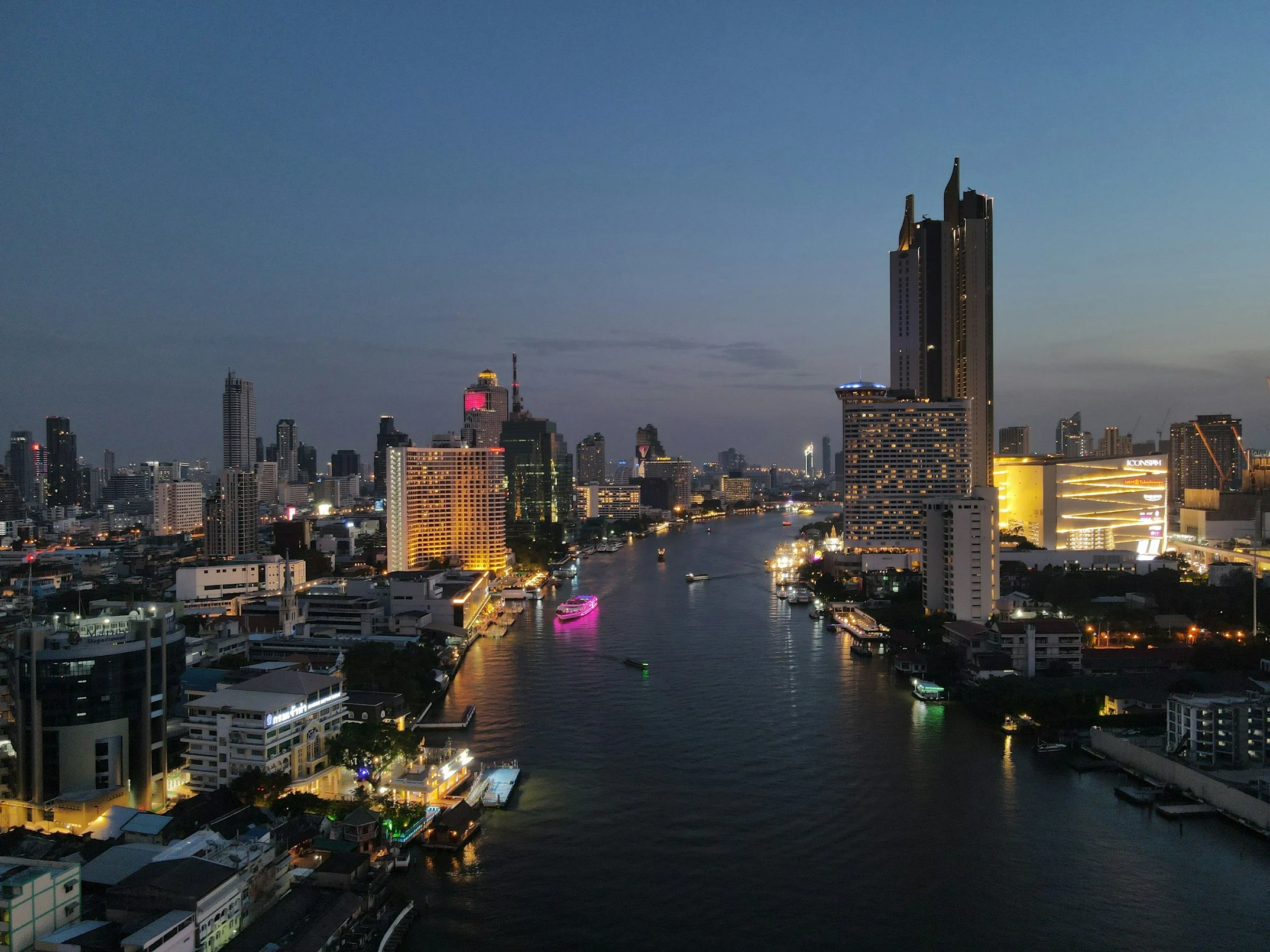
Bangkok's financial district by day and one of its most active entertainment strips at night. Lumpini Park is within walking distance, both the BTS and MRT pass through, and riverside hotels here have the best views in the city. It suits visitors who want to be at the commercial centre of things.
Ari
Two BTS stops north of the main Sukhumvit strip and a noticeably different atmosphere. Ari is residential, cafe-dense, and most of its restaurants cater to Thais rather than tourists. Rents are lower than Thonglor and it suits people who want Bangkok's infrastructure without Bangkok's noise. The walk from the BTS to most addresses is longer than in central Sukhumvit, which is the main practical drawback.
Old City and Rattanakosin
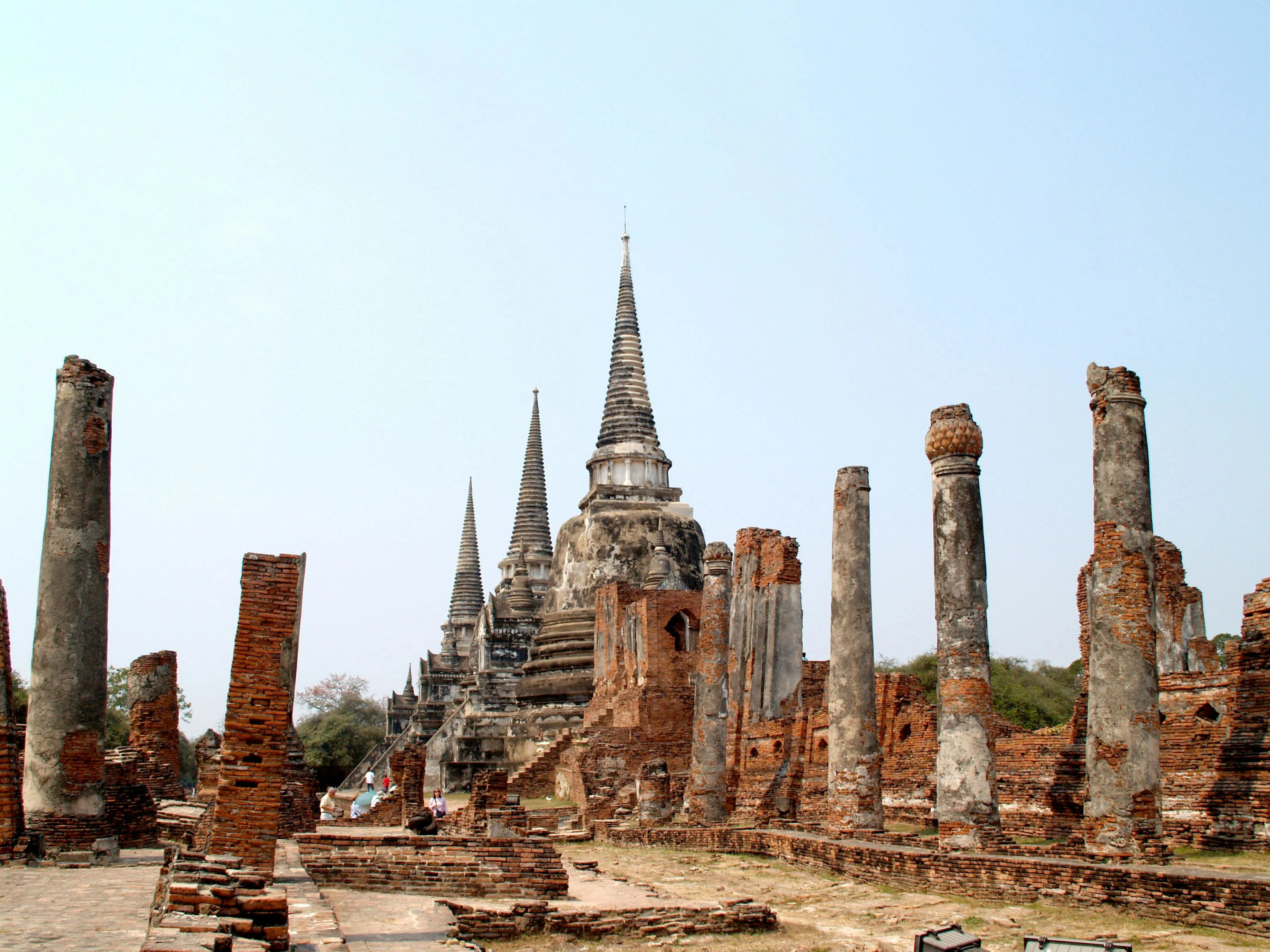
Wat Pho, Wat Arun, and the Grand Palace all sit within a 2-kilometre radius here. It is worth staying in this area for two to three nights to access those sites before the tour groups arrive. For anything longer, the lack of BTS access and tourist pricing on food and transport become frustrating.
For a full breakdown of which area suits your situation, read the Where to Stay in Bangkok guide.
Getting around Bangkok
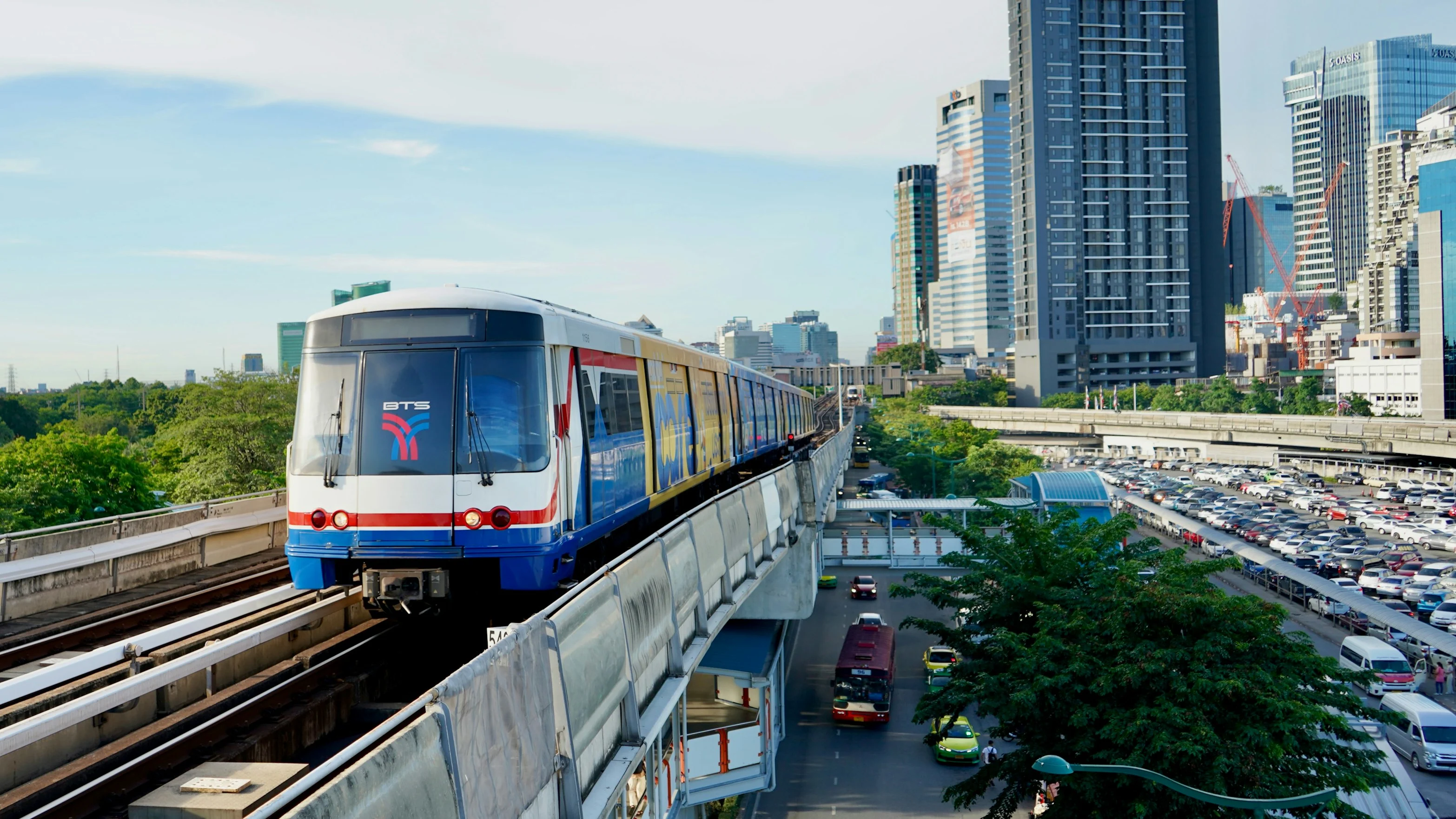
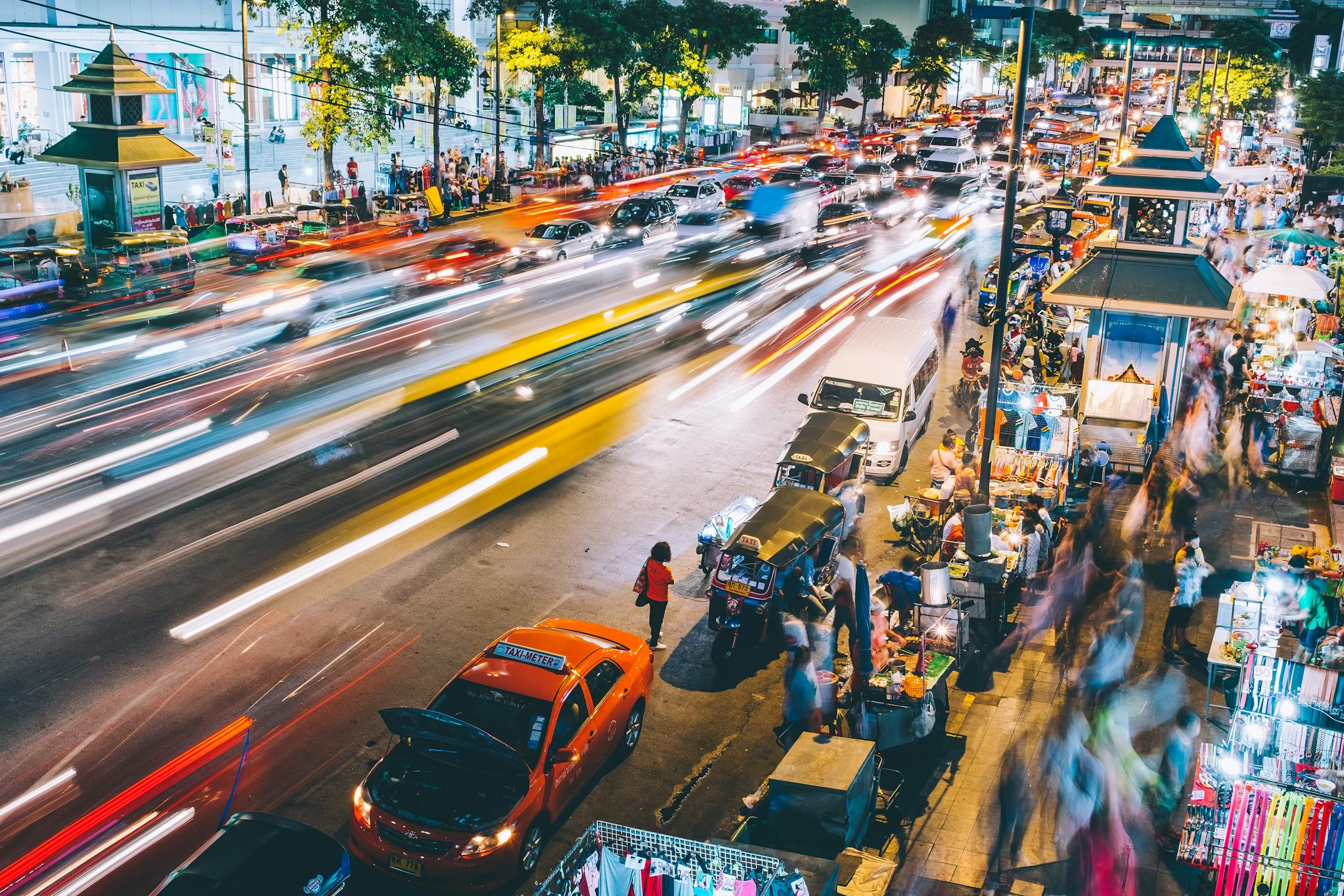
Bangkok traffic is some of the worst in Southeast Asia. The right transport decision saves hours every day.
The BTS Skytrain is fast, air-conditioned, and covers the main corridors along Sukhumvit, Silom, and the riverside. The MRT covers Chinatown, Lumpini, and additional areas the BTS misses. A combined BTS unlimited monthly pass costs 1,350 baht and is worth buying for any stay longer than two weeks near a station.
Grab is the correct answer for everything off the rail network. It is cheaper than tuk tuks, uses fixed pricing, and the drivers know the city. Tuk tuks are a tourist experience rather than a practical transport option and rarely competitive on price or speed. The express boat on the Chao Phraya River is genuinely useful for getting between the old city and lower Sukhumvit without sitting in traffic. The orange-flag boat runs frequently and costs 15 baht for most journeys.
For a full breakdown with current fares, read the Getting Around Bangkok guide.
What to eat in Bangkok
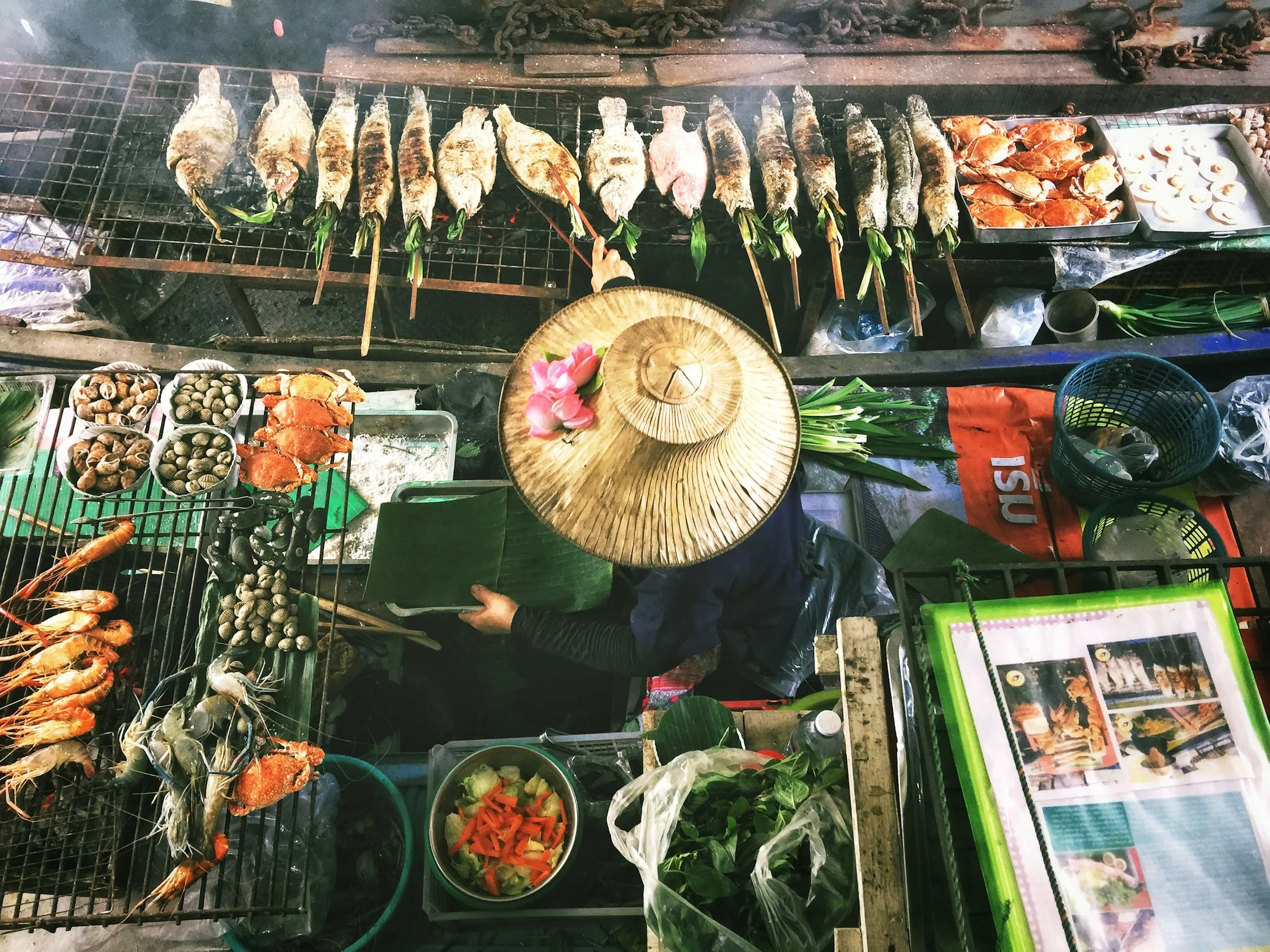
Bangkok has more good food per square kilometre than almost any city on earth, and a significant portion of it costs under 60 baht a plate.
The best Thai food in Bangkok is usually not in a restaurant. The street stalls along Sukhumvit Soi 38, the boat noodle cluster near Victory Monument, and the wet market in Khlong Toei all serve food that no restaurant budget can match for flavour and price. A bowl of boat noodles at the Victory Monument stalls costs 50 baht. The same dish on a white plate in Thonglor costs 250 baht.
Pad Thai, green curry, and tom yum are on every tourist menu and worth eating once. What Bangkokians actually eat on a Tuesday is more often Isaan food: som tam, larb, and grilled chicken. Isaan restaurants are everywhere, genuinely cheap, and serve some of the best food in the country.
Chinatown on Yaowarat Road is worth a dedicated evening. The roast duck, dim sum, and seafood grills along the main strip are as good as the reputation suggests. Go after 6pm and plan to eat standing at a pavement table. For a full guide to eating beyond the tourist trail, read the Bangkok Food Guide.
What Bangkok costs
Bangkok is the most expensive city in Thailand and still cheap by the standards of most Western countries.
Rent is the main variable. A studio in Thonglor or Ekkamai runs 20,000 to 35,000 baht a month. Further from the BTS in Ari or Ladprao, the same quality of apartment drops to 12,000 to 18,000 baht. Eating local Thai food from street stalls costs under 300 baht a day for three meals. A monthly gym membership at a mid-range gym runs 1,500 to 2,500 baht. Home fibre internet is 400 to 600 baht a month.
A comfortable mid-range life in Bangkok, with a decent one-bedroom apartment, daily restaurant meals, and occasional Grab rides, runs around 60,000 to 80,000 baht a month. A tighter budget with street food, a studio outside the centre, and consistent BTS use is achievable at 30,000 to 40,000 baht. The budget killers are imported food, hotel-adjacent accommodation, and taxis everywhere.
For a full breakdown with neighbourhood-level figures, read the Cost of Living in Bangkok 2026 guide.
Best time to visit Bangkok
Bangkok has three seasons. Here is what each one actually means for your trip:
Season | Months | Temp | Rain | Verdict |
|---|---|---|---|---|
❄️ Cool & Dry | Nov to Feb | 25–30°C | Minimal | Best time to visit |
🔥 Hot & Dry | Mar to May | 35–40°C | None | Avoid if heat-sensitive |
🌧️ Wet | Jun to Oct | 28–34°C | Heavy afternoons | Fine with planning |
❄️ November to February: the sweet spot. Temperatures sit around 25 to 30 degrees Celsius, rainfall is minimal, and the air is cleaner than at other times of year. January and February are peak tourist months and hotel prices reflect this. Book accommodation at least 6 weeks ahead.
🔥 March to May: the hot season. April regularly hits 40 degrees Celsius and the humidity makes it feel worse. Songkran, the Thai New Year water festival, falls in mid-April and turns Bangkok into a city-wide water fight for several days. It is worth seeing once, but plan around it rather than ignoring it.
🌧️ June to October: the wet season. Afternoon downpours typically last 30 to 90 minutes and cool the city considerably. Bangkok floods in heavy rain years, usually in September and October, and low-lying areas like parts of Lad Phrao can be affected. Most tourist and expat neighbourhoods drain faster. Rates drop 20 to 30 percent compared to peak season.
How long to spend in Bangkok
Three to five days covers the main temples, gives you time to eat well across several neighbourhoods, and leaves room to find your own version of the city. If you are using Bangkok as a transit hub for wider Thailand travel, two to three nights on arrival and two to three on departure works well.
Most domestic flights, long-distance buses, and trains to Chiang Mai, Phuket, and the southern islands depart from Bangkok. The city earns more time than most itineraries give it. People who stay longer than a month consistently report that Bangkok reveals itself slowly: the neighbourhood coffee shop that becomes a daily ritual, the Thursday market, the canal running route.
Where to go from here
Bangkok is the entry point for most Thailand trips. These guides go deeper on the decisions you will actually face once you arrive.
For the neighbourhood question in detail: Where to Stay in Bangkok covers every area with current rental prices and the honest drawbacks of each.
For food: the Bangkok Food Guide covers the markets, boat noodle alleys, Chinatown, and the Isaan stalls that most visitors never find.
For money: the Cost of Living in Bangkok guide has full monthly figures at three spending levels across every main neighbourhood.
For visa options: the Thailand Visa Guide covers every route from 60-day exemptions to 10-year LTR visas, with current requirements for 2026.