Best Day Trips from Bangkok: What Is Worth the Journey
Ayutthaya is an hour and a half from Bangkok by train and costs 20 baht. Kanchanaburi is two hours by bus. Two of the best day trips in Southeast Asia are also two of the cheapest. This guide covers where to go, how long each trip actually takes, and which destinations on the tourist circuit are not worth your time.
Quick Reference
Destination | Distance | Journey Time | Best For | Overnight? |
|---|---|---|---|---|
Ayutthaya | 80km north | 1.5 to 2.5 hours | History, temples | Optional |
Kanchanaburi | 130km west | 2 to 2.5 hours | WWII history, nature | Recommended |
Amphawa | 100km southwest | 2 hours | Floating market, evening | Optional |
Khao Yai | 200km northeast | 2.5 hours | Wildlife, national park | Strongly recommended |
Damnoen Saduak | 90km southwest | 1.5 hours | Skip it | No |
Ayutthaya
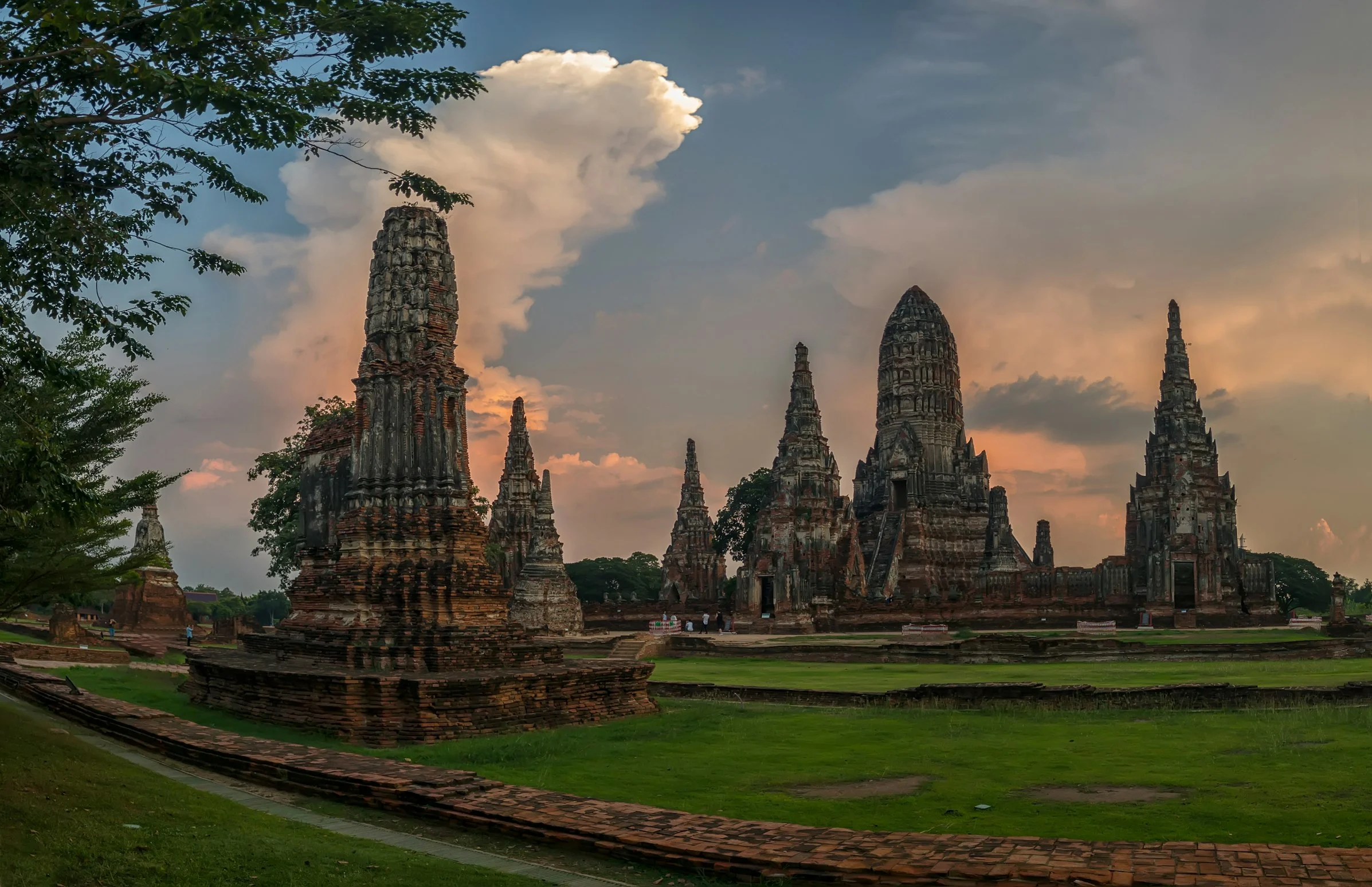
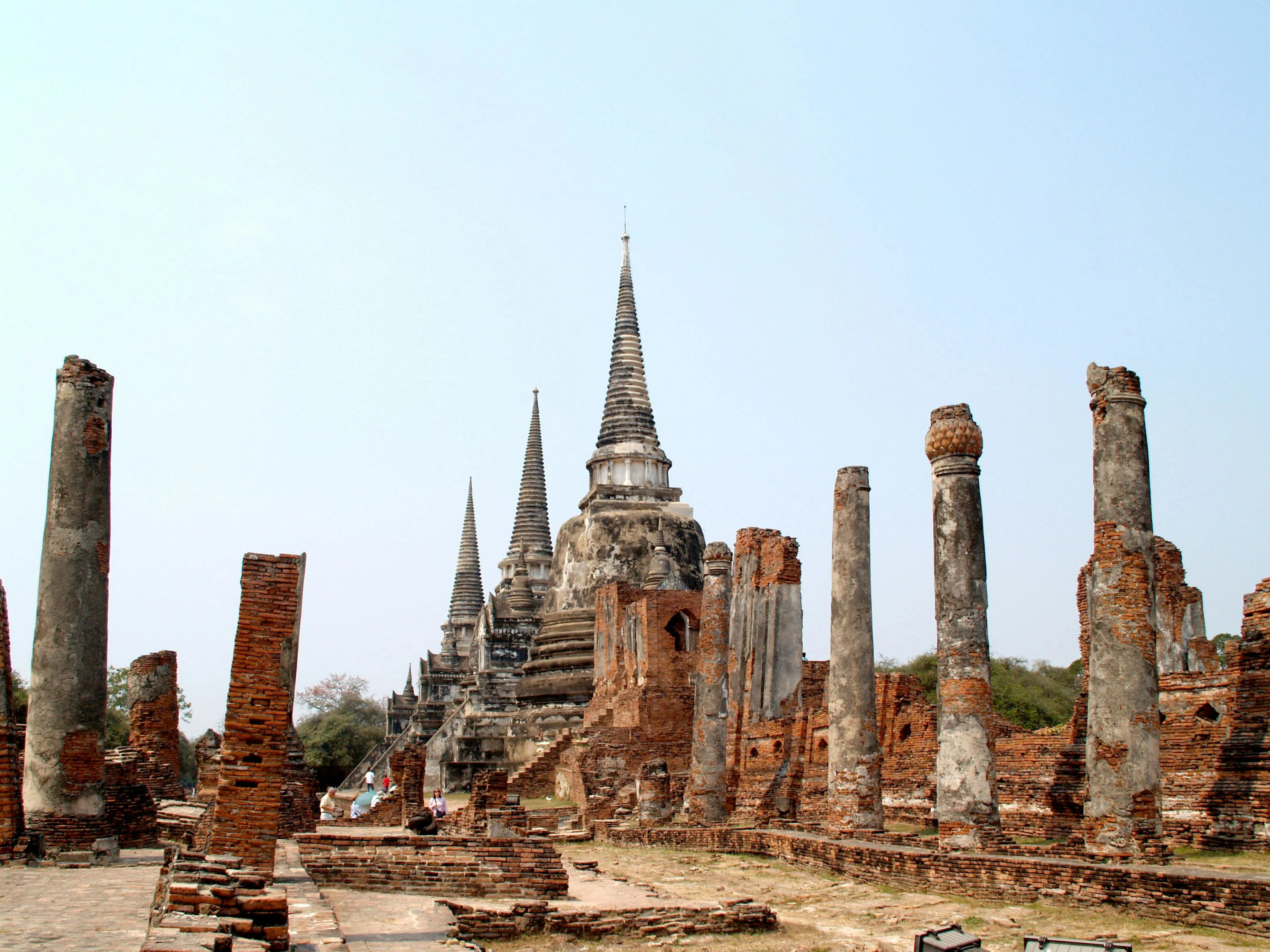
Ayutthaya was the capital of the Kingdom of Siam from 1350 to 1767, when it was sacked by the Burmese army. What remains is one of the most significant archaeological sites in Southeast Asia: headless Buddha statues, crumbling chedis, and temple ruins spread across an island formed by three rivers. UNESCO listed it in 1991.
The slow train from Hua Lamphong station takes 1.5 hours and costs 20 baht. Faster trains take 45 minutes and cost 245 baht. The older trains pass through rice fields and provincial towns that the highway misses entirely, which is worth the extra time if you are not in a rush. From Ayutthaya station, a tuk-tuk driver offers a 4-hour temple circuit for 200 to 300 baht and is the most efficient way to cover the main sites without renting a bicycle in the midday heat.
The three temples worth the entrance fee: Wat Mahathat for the tree-encased Buddha head, Wat Phra Si Sanphet for the three restored chedis, and Wat Chaiwatthanaram on the riverside best photographed at dusk. Go on a weekday. Weekends bring tour buses and crowds that turn the ruins into a photo-queue experience.
For a guided day trip with transport included, Trip.com has a well-reviewed Ayutthaya tour that covers the main temples with a guide and return transfer from Bangkok.
Book the Bangkok to Ayutthaya Day Tour on Trip.com →
Kanchanaburi
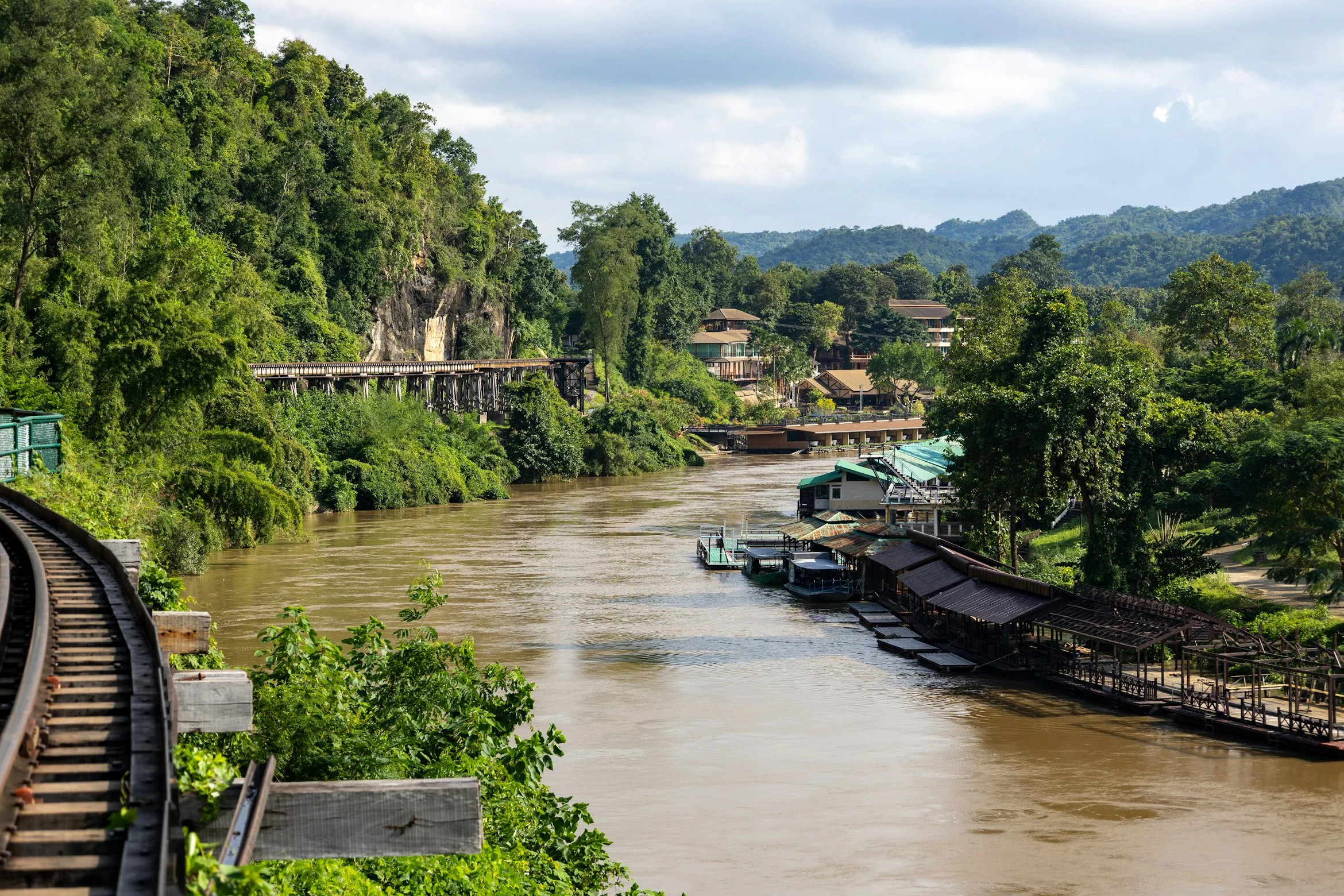
Kanchanaburi sits 130 kilometres west of Bangkok on the River Kwai. It is known for the Death Railway bridge, built by Allied prisoners of war and Asian labourers under Japanese occupation during World War II. The JEATH War Museum and the Allied War Cemetery are among the most quietly affecting sites in Thailand.
The train from Thonburi station runs twice daily and takes 2.5 hours. Buses from the Southern Bus Terminal at Taling Chan take 2 to 2.5 hours and run frequently throughout the day. The town is small enough to navigate on foot or by rented bicycle.
Most people find they want to stay a night once they arrive. The guesthouses along the river are cheap and the evening at Kanchanaburi is more pleasant than the journey back to Bangkok after dark. Erawan National Park, 65 kilometres north of town, has a seven-tier waterfall with turquoise pools and is worth the additional 90-minute, 50-baht bus ride if you are already there.
For a guided option covering the Death Railway bridge, the war museum, and Erawan in one day, Trip.com has a Kanchanaburi tour with transport from Bangkok included.
Book the Bangkok to Kanchanaburi Day Tour →
Floating Markets: Skip Damnoen Saduak, Go to Amphawa
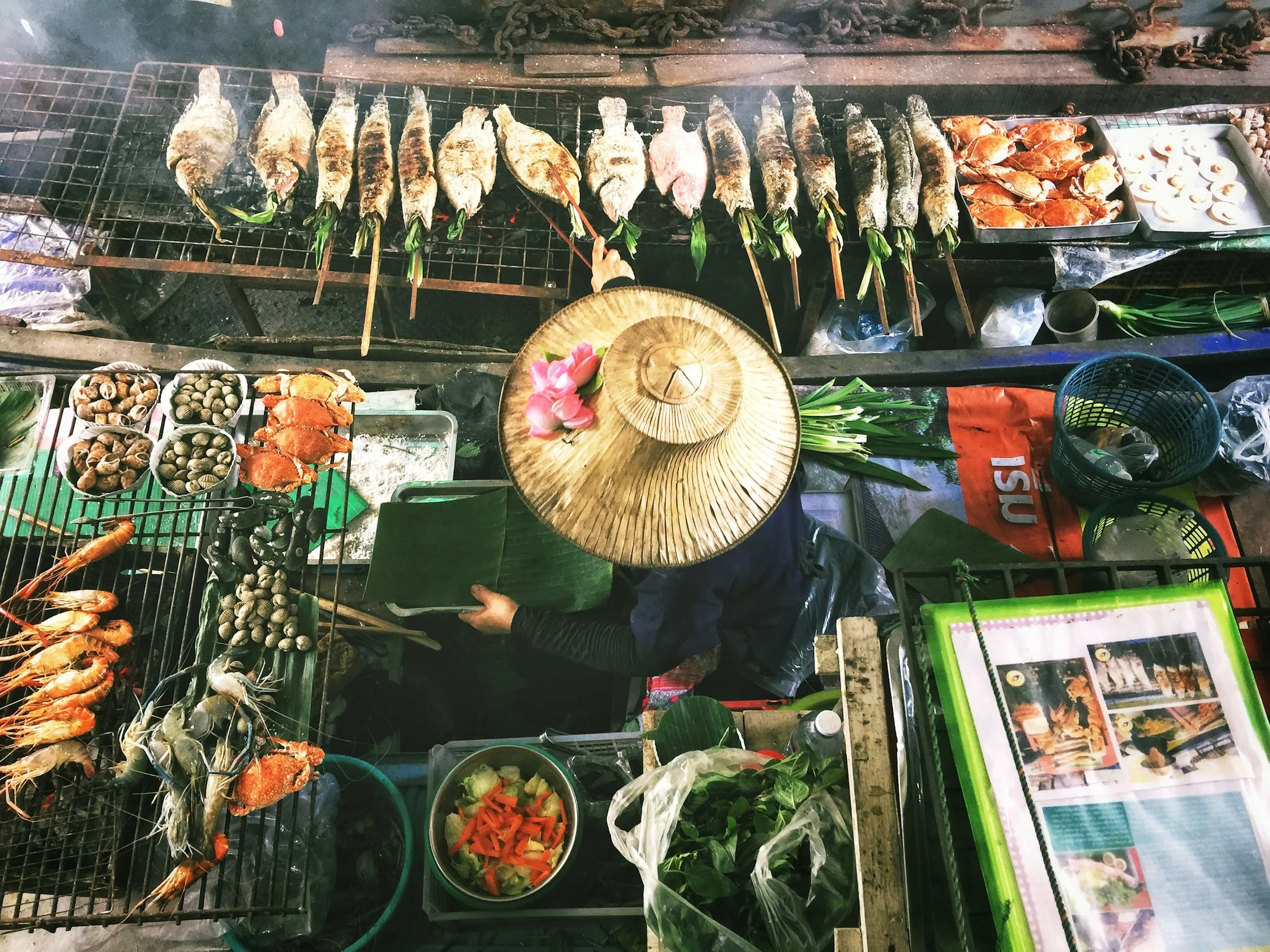
Damnoen Saduak is the most photographed floating market in Thailand and the most staged. The vendors are real and the canals are genuine, but the experience has been restructured almost entirely around tour group logistics. The canals fill with tourists in matching hats before 9am and the prices reflect that entirely.
Amphawa is the more honest version. It is 2 hours from Bangkok, opens only on Friday, Saturday, and Sunday evenings, and has a better ratio of locals to tourists. The evening timing also means the heat is manageable and the firefly boats that run after dark are worth staying for. Both markets work better if you leave Bangkok by 7am.
For a guided floating market tour with Bangkok transport included, Trip.com's most-reviewed option covers the canal experience without the public bus logistics.
Book the Bangkok Floating Market Tour →
Khao Yai National Park
Khao Yai is Thailand's oldest national park, 2.5 hours northeast of Bangkok. It has wild elephants, gibbons, hornbills, and waterfalls across 2,168 square kilometres of forested mountain terrain. The park requires a vehicle to navigate and entry costs 400 baht for international visitors.
A day trip is possible but leaves limited time after the 2.5-hour drive each way. A weekend stay at one of the lodges near the park entrance is a significantly better use of the distance. Most people who do Khao Yai as a day trip wish they had stayed.
Joining a tour from Bangkok or renting a car are the two realistic options. The car is more flexible and competitive with 2-person tour tickets once you account for the price difference.
What Is Not Worth the Trip
The Rose Garden and Crocodile Farm west of Bangkok are bus-tour attractions with staged cultural performances. Pattaya as a day trip covers 150 kilometres of highway for a beach town that makes more sense over three days than three hours. The Ancient City (Muang Boran) in Samut Prakan is a theme park of scaled-down Thai monuments. None of them offer what Ayutthaya and Kanchanaburi do.
How to Get There
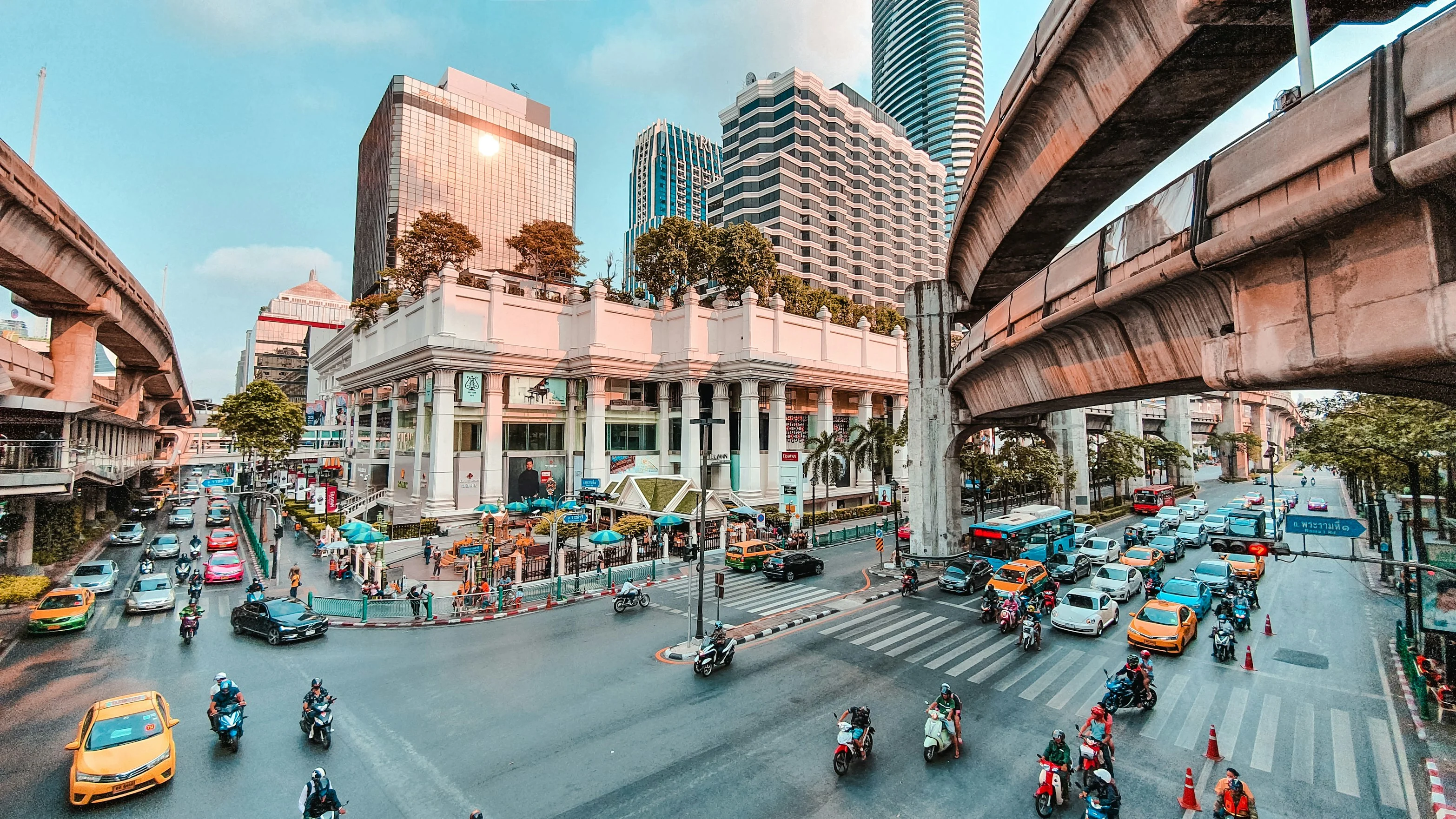
The easiest destinations by public transit are Ayutthaya by train from Hua Lamphong and Kanchanaburi by bus from the Southern Bus Terminal at Taling Chan. The trains run on fixed schedules and the bus to Kanchanaburi runs frequently enough that you can show up and go. The getting around Bangkok guide covers the full BTS and MRT map for getting to the right departure station.
For private transport, a hired car with driver runs 2,500 to 4,000 baht per day and is the most practical option for groups of two or more going to Ayutthaya, Kanchanaburi, or the floating markets. Tours from Khao San Road and most Bangkok hotels include transport and a guide, which is useful for first-time visitors who want context at the historical sites.
Where to Go from Here
For choosing where to stay in Bangkok before a day trip, the where to stay in Bangkok guide covers which neighbourhoods have the best access to the relevant departure stations. For longer trips that go beyond a day, Chiang Mai and the north require a flight or overnight train from Bangkok. The Bangkok travel guide covers the city's practical basics alongside everything else worth knowing before you arrive.