Bangkok Food Guide: Where to Eat Beyond the Tourist Spots
Bangkok has some of the best street food on earth and most tourists eat at the same fifteen spots on Google Maps. The boat noodle alleys near Victory Monument, the wet markets in Khlong Toei, and the shophouses on Silom Soi 20 are where the city actually eats. This guide covers the areas and specific spots worth going out of your way for, with honest notes on what you are actually getting.
How Bangkok Eating Works
Thai food culture is built around eating at different places for different meals. Breakfast is a vendor: jok (rice porridge), pa tong go (fried dough), or khao tom (rice soup) from a cart or shophouse. Lunch is fast and cheap, usually 60 to 120 baht at a shophouse restaurant near work.
Eating after 9pm is normal. Many of the best street stalls open at 6pm and close when the food runs out, which is usually between 10pm and midnight. Air conditioning is a price signal: a restaurant with full AC charges more than one with fans, and that difference does not track food quality directly.
Bangkok by Meal Type
Meal | Where to Go | Price Range | What to Order |
|---|---|---|---|
Breakfast | Vendor carts near any BTS station | 30 to 60 baht | Jok, khao tom, pa tong go with soy milk |
Lunch | Silom Soi 20, Or Tor Kor market food court | 60 to 150 baht | Khao man gai, pad kra pao, gaeng keow wan |
Afternoon snack | Vendor carts near BTS On Nut or Ekkamai | 20 to 50 baht | Mango sticky rice, coconut ice cream |
Dinner | Chinatown (Yaowarat), Victory Monument alleys | 100 to 400 baht | Seafood, boat noodles, grilled pork neck |
Late night | Silom Soi 20 area, Ekkamai Soi 10 | 80 to 200 baht | Pad kra pao, tom yum, street grills |
Or Tor Kor Market
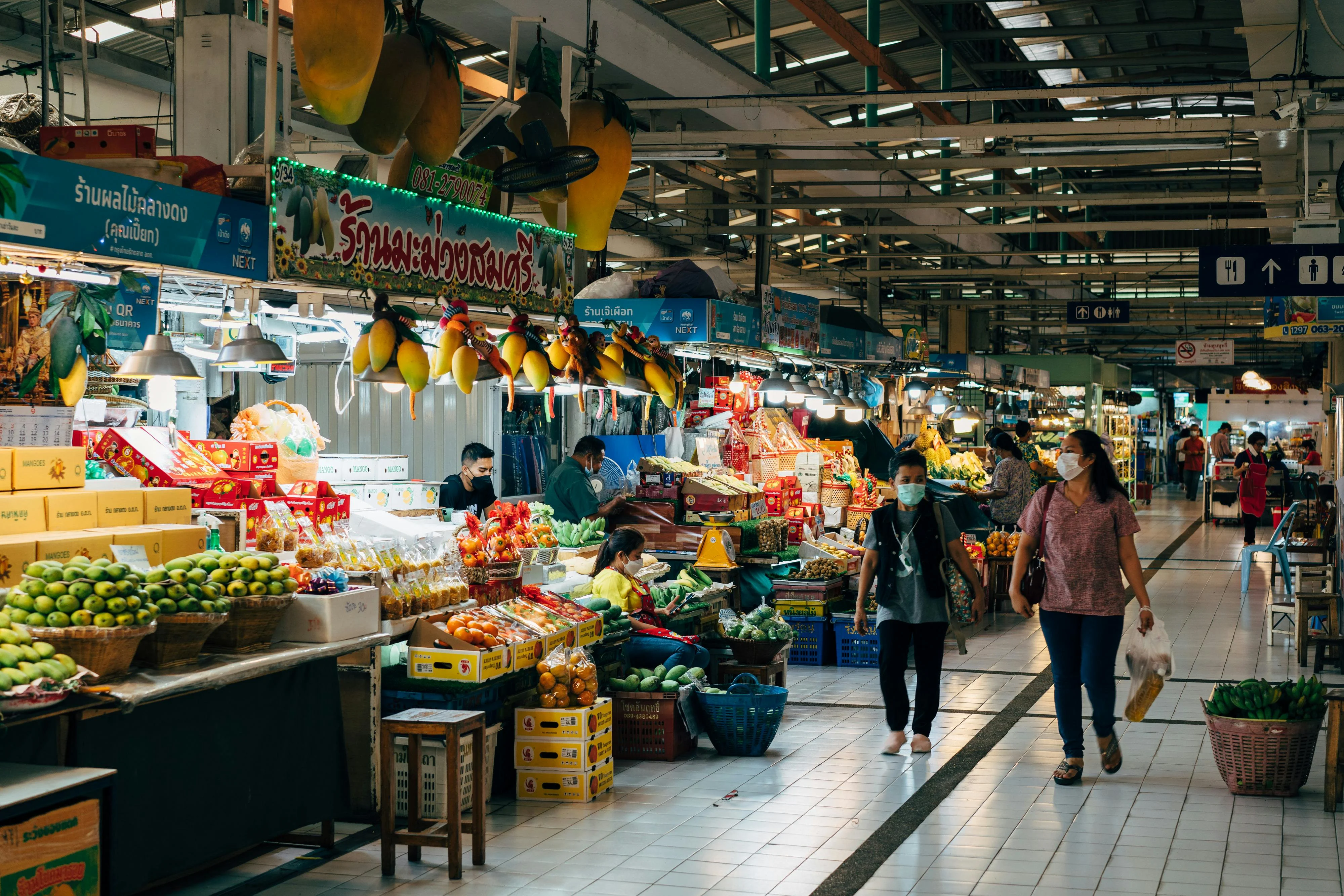
Or Tor Kor is the most underrated food market in Bangkok. It sits one block from BTS Mo Chit and Chatuchak Weekend Market, but almost no tourist finds it because the entrance looks like a wholesale produce hall. Inside, it is the cleanest and highest-quality fresh market in the city: perfect fruit, regional specialties from every Thai province, and a food court at the back serving dishes you will not find in the tourist areas.
The mango sold here is graded for export quality and sold at domestic prices. A bag of ripe Nam Dok Mai mango costs around 80 baht. The grilled pork dishes from the Isaan section at the back of the market are worth the trip alone.
Or Tor Kor opens at 6am and is best visited before 10am when the produce is freshest. It is not a night market and has no street performance or shopping. It is a place to eat seriously.
Khlong Toei Market
Khlong Toei is Bangkok's largest wet market and one of the few places in the city where the food supply chain is visible in real time. Whole pigs, live shellfish, and produce arriving directly from farms occupy a space that starts filling at 4am. It is not designed for visitors, which is exactly why it is interesting.
The food court on the Rama IV Road side opens by 6am and serves market workers: rice dishes, noodle soups, and grilled meats at 40 to 70 baht a plate. The quality is consistently good because the customers are the people who know what the raw ingredients looked like an hour ago.
Khlong Toei sits on MRT Khlong Toei station. Go before 9am. After that, the best vendors sell out and the heat makes the wet market section unpleasant.
Chinatown (Yaowarat)
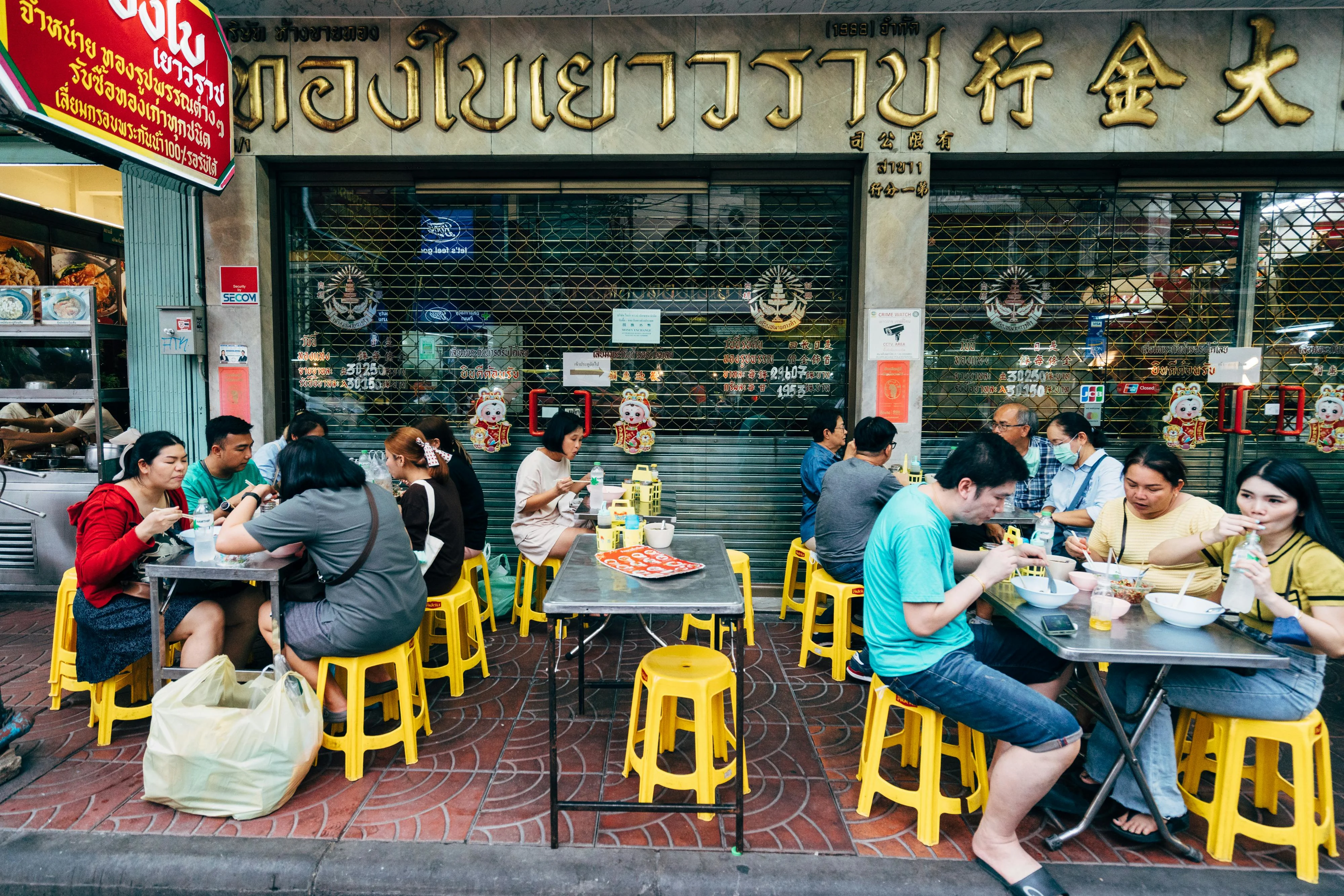
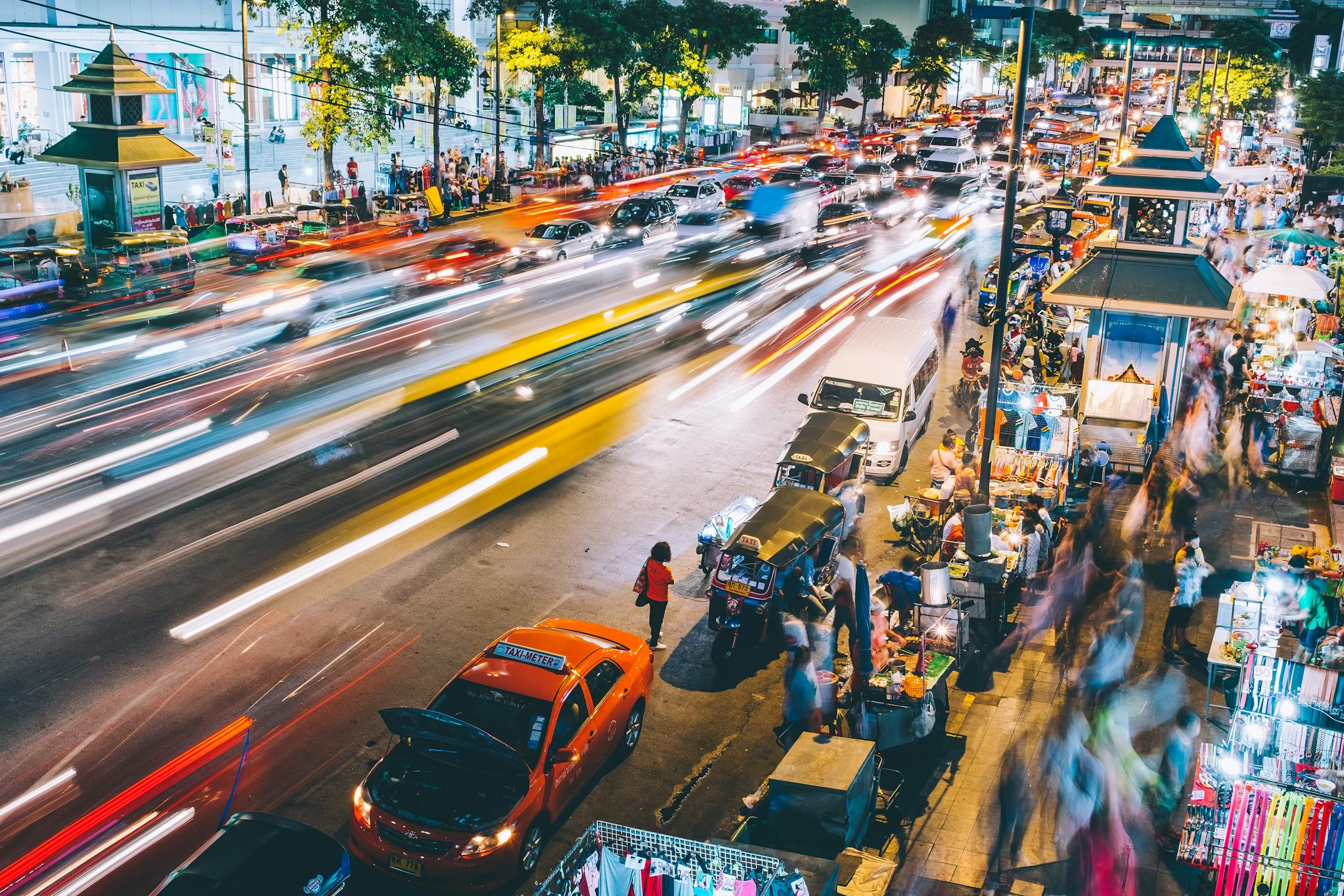
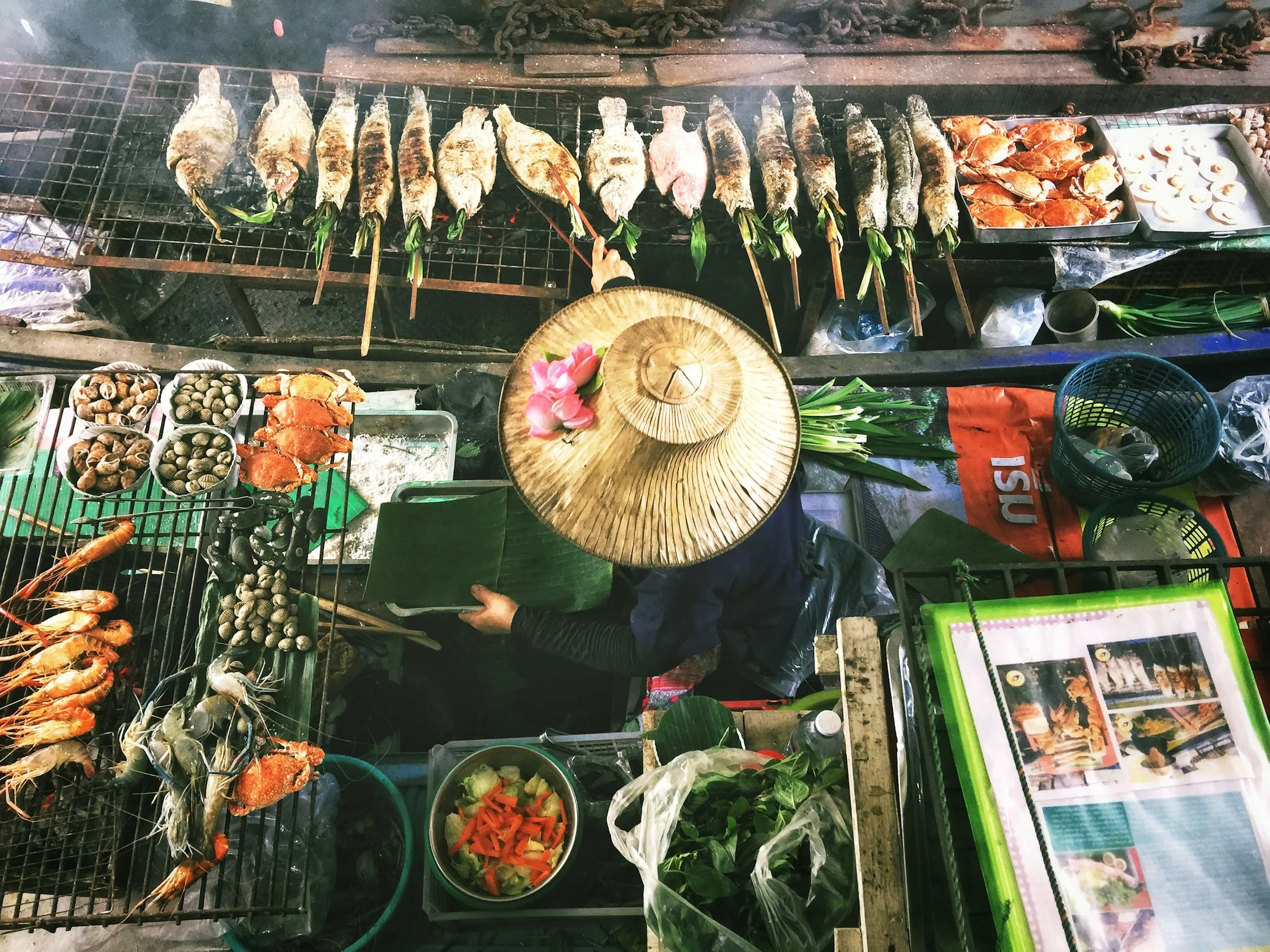
Yaowarat Road at night is one of the great street food streets in Southeast Asia. The seafood grills start around 5pm and the road fills with vendors selling roast duck, dim sum, and grilled meats. It runs until midnight on weekdays and later on weekends.
Jay Fai, the Michelin-starred street cook on Mahachai Road near the Old City, operates in the area adjacent to Chinatown. The wait is 2 to 4 hours and the crab omelette costs 1,200 baht. It earns every baht of that price. The rest of Yaowarat serves food of comparable quality at a fraction of the cost and no wait.
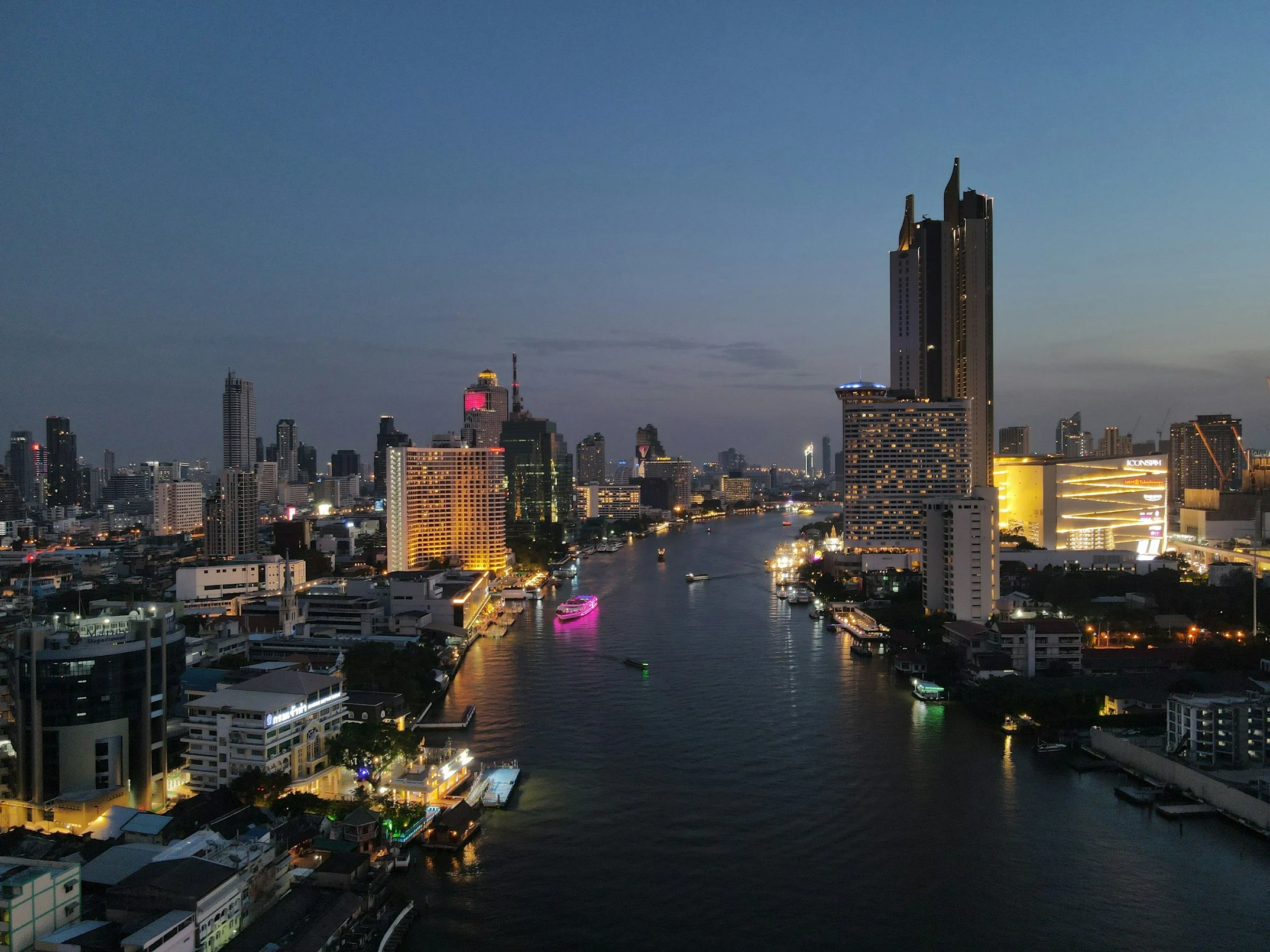
Take the MRT to Hua Lamphong and walk 10 minutes, or take the Chao Phraya Express Boat to Ratchawong pier. Avoid tuk-tuks from Sukhumvit to Chinatown unless you enjoy sitting in traffic for 45 minutes.
Victory Monument Boat Noodle Alleys
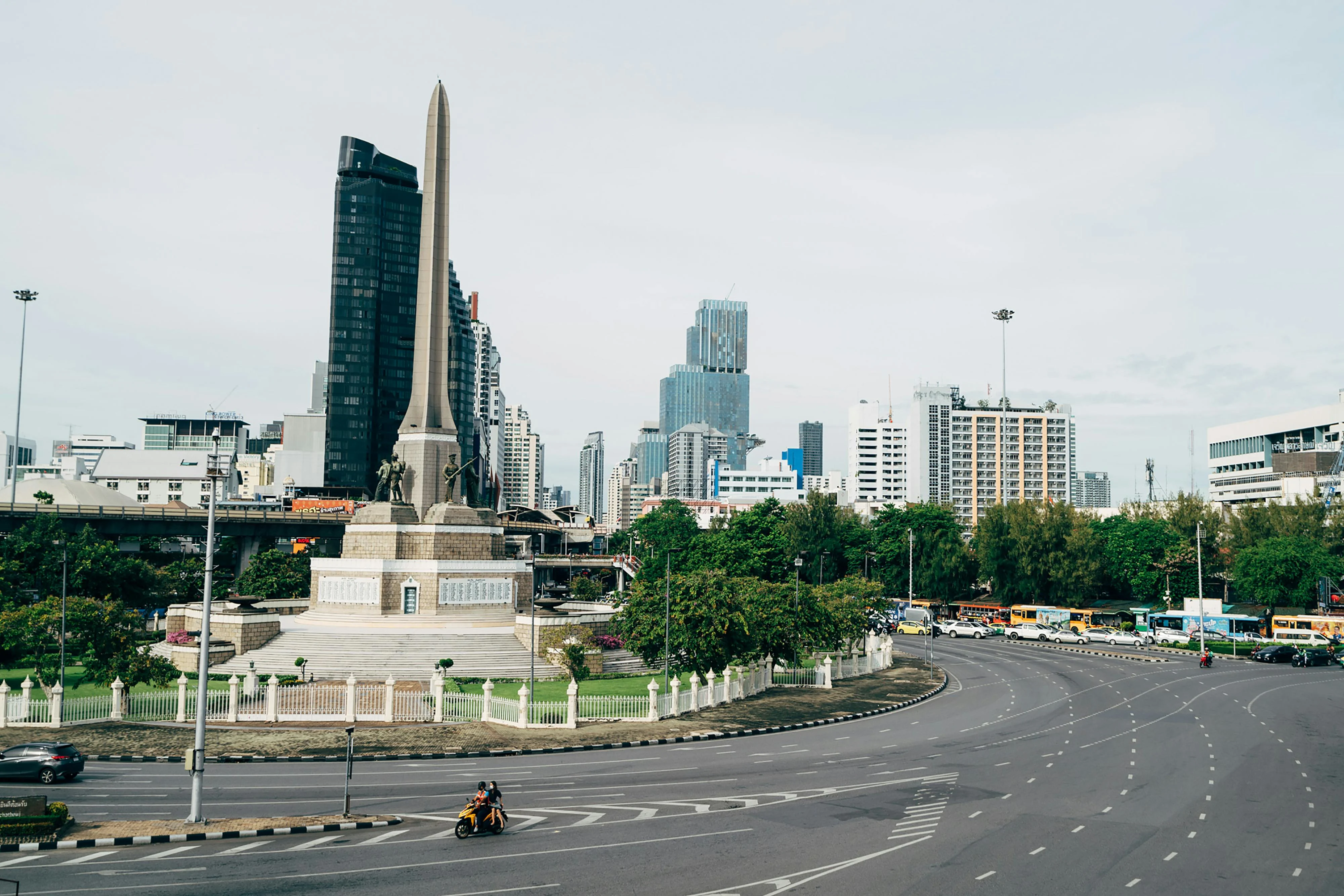
Victory Monument BTS station exits onto a network of small alleys behind the main roundabout where boat noodle vendors have operated for decades. A single bowl of boat noodles (kuay tiao ruea) costs 15 to 20 baht and is around 200ml: pork or beef broth with rice noodles, blood, offal, and herbs. You eat six to ten bowls per sitting.
This is one of the cheapest meals in Bangkok and one of the most specific to the city. The noodles take their name from the boats that sold them on the canals before the klongs were filled in. The alley version is the land-based continuation of something that has existed in Bangkok for over 100 years.
The alleys open for lunch from 11am to 3pm and close in the afternoon. Go on a weekday. On weekends the area fills with Thai families and the waits get long.
Silom for Weekday Lunch
The shophouses on Silom Soi 20 and the connecting lanes run a lunch service from 11am to 2pm aimed at office workers in the Silom financial district. The food is central Thai home cooking: pad kra pao with a fried egg, gaeng kiew wan, khao man gai. Plates run 70 to 120 baht.
These restaurants do not have English menus and most do not have English-speaking staff. Pointing at what someone else is eating works, and so does Google Translate's camera option. The quality is high because the customer base is Thai professionals who eat here every day.
The same area is dead at dinner. If you are in Silom at night, Patpong Soi 2 has a handful of decent Thai restaurants catering to a mixed local and expat crowd that stay open until 11pm.
What to Order, Specifically
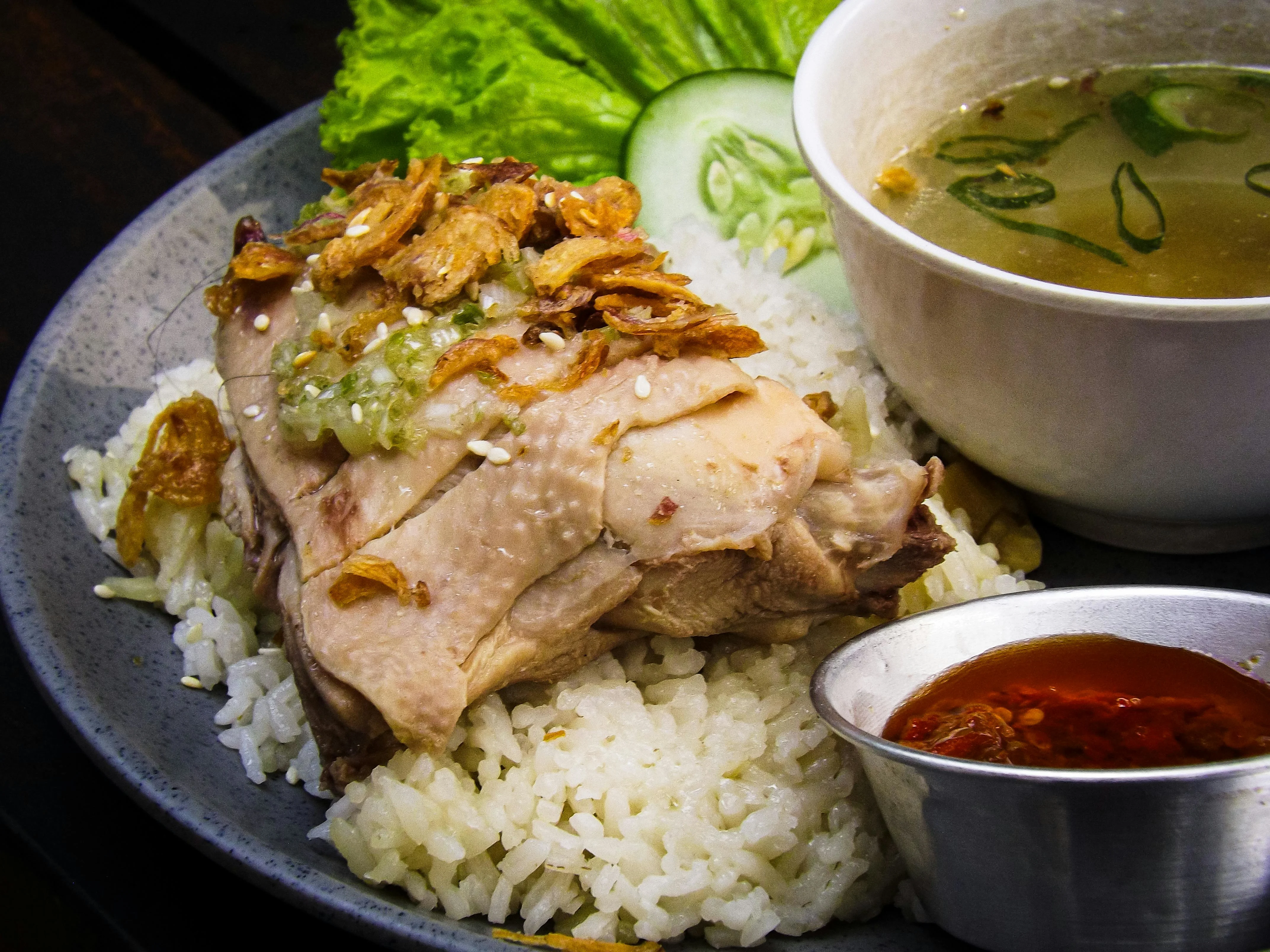
Khao man gai is the safest first meal in Bangkok: poached chicken over rice with a side of clear broth and a ginger-chilli sauce. Every neighbourhood has a vendor and a good plate costs 50 to 80 baht.
Pad kra pao (holy basil stir fry with a fried egg) is the most-eaten dish in Thailand by volume. The version with crispy pork (mu krop) rather than minced pork is better. Order it with jasmine rice, not fried rice.
Tom kha gai (coconut milk soup with galangal and chicken) is the dish most restaurants make badly for tourists. The correct version is sour and aromatic, not sweet. If it tastes like coconut milk with chicken, find a different restaurant.
Where to Go from Here
Food is one reason Bangkok works as a long-term base. The cost of living in Bangkok guide covers what eating well actually costs month to month at different spending levels. For choosing which neighbourhood to eat and live in, the where to stay in Bangkok guide covers Sukhumvit vs Silom vs Ari vs the Riverside with honest notes on each area. The Bangkok travel guide covers getting around, the best months to visit, and the practical information that does not fit neatly into a food guide.