The question is not "where is the best neighbourhood in Bangkok." The question is which neighbourhood matches how you actually move through a city. A week-long trip with museum days and evening markets needs a different base than a month-long stay with coworking mornings and neighbourhood cafe afternoons.
This guide covers six areas. Each one has a real argument for it and a real argument against it.
Quick-Glance Comparison
| Neighbourhood | BTS/MRT Access | Vibe | Best For | Main Drawback |
|---|---|---|---|---|
| Sukhumvit (Soi 20-26) | BTS Asok / Phrom Phong | International, convenient | First-time visitors | Loud on main road |
| Silom / Sathorn | BTS Sala Daeng / Surasak | Business district, local lunch scene | Short stays, work trips | Patpong area at night |
| Ari | BTS Ari | Residential, cafes, creative class | Long stays, remote workers | Further from tourist sights |
| Riverside | Chao Phraya Express Boat | Scenic, historic | Couples, leisure trips | Poor BTS access |
| Old City / Rattanakosin | None (walk or taxi) | Temple-dense, tourist-facing | First night only | Limited quality hotels |
| On Nut / Ekkamai | BTS On Nut / Ekkamai | Expat residential, quieter | Long stays on a budget | Less interesting food scene |
Sukhumvit
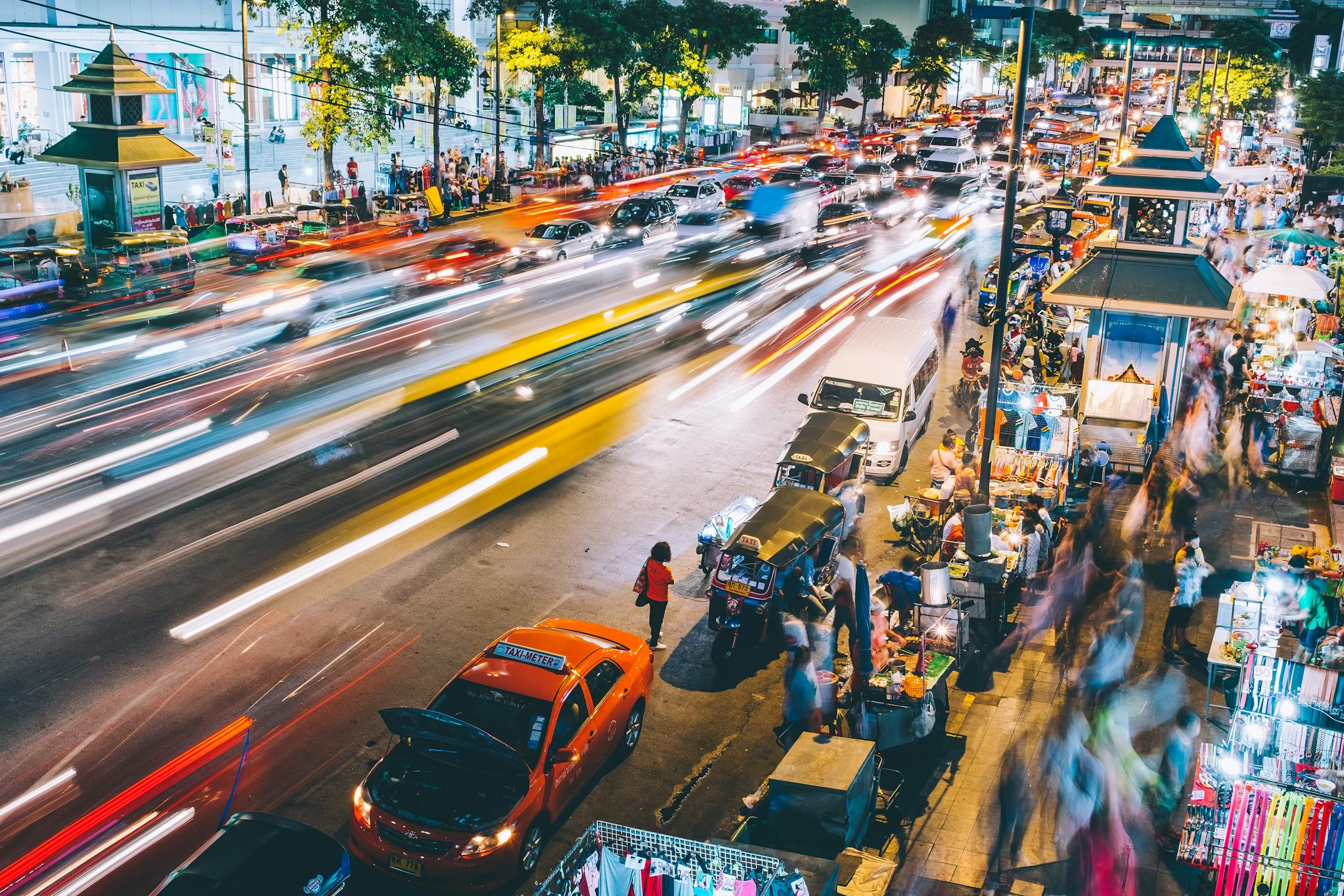
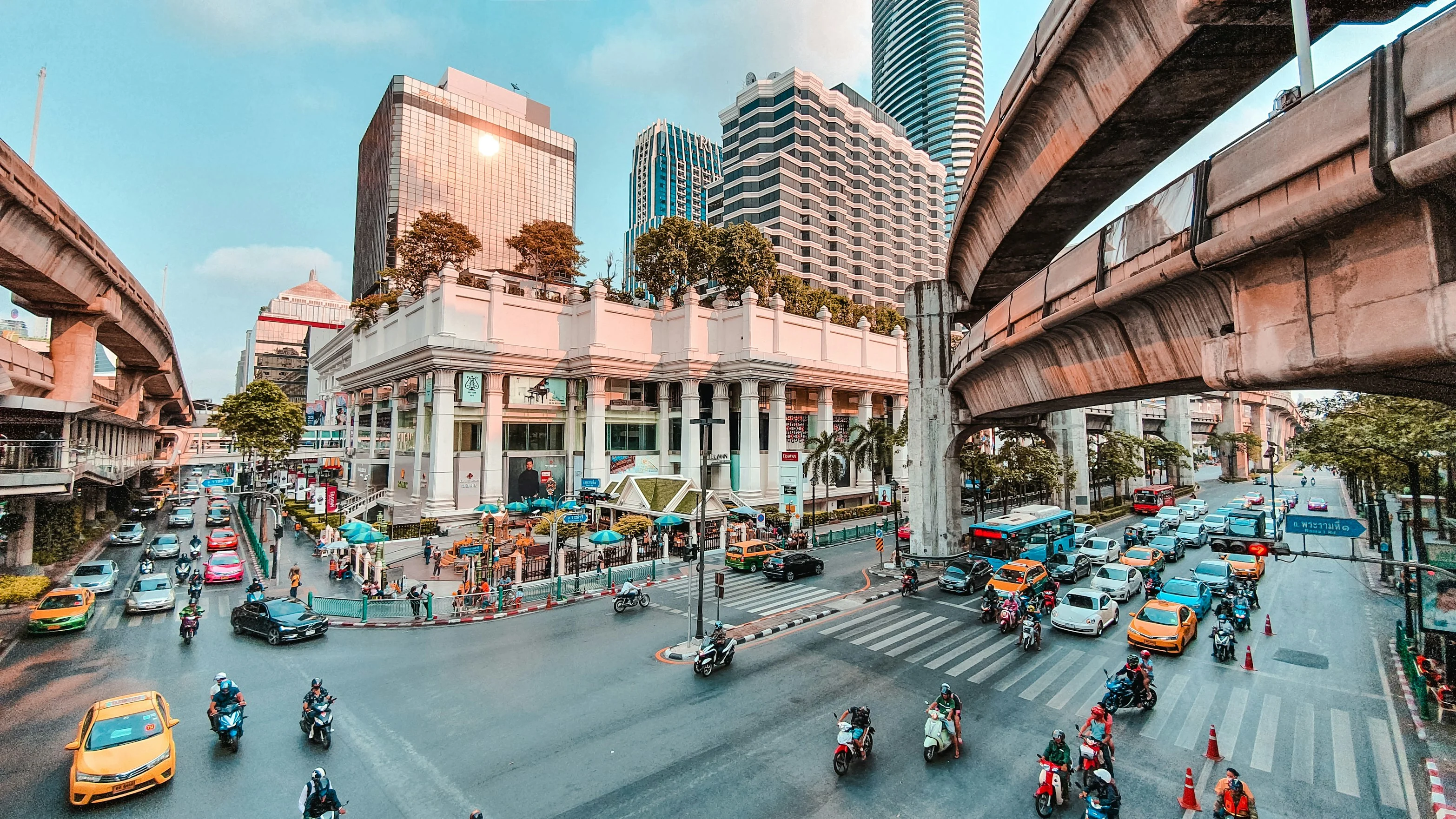
Sukhumvit is a 20-kilometre road and it has completely different characters depending on which soi you are on. Soi 11 is bars and clubs running until 3am. Soi 3 and 7 are the Arab quarter with Middle Eastern restaurants. Soi 20 to 26 is quieter, residential, and where the best value mid-range hotels sit relative to BTS access.
The BTS runs the full length of Sukhumvit from Mo Chit to Bearing and connects to the MRT at Asok (Sukhumvit station). This makes almost anywhere in the city reachable within 30 minutes during off-peak hours. Terminal 21 mall at Asok has a good food court if you need a cheap, air-conditioned lunch.
The drawback on the main Sukhumvit road is noise and foot traffic. Properties on Sukhumvit itself rather than a soi run louder and busier than anywhere else in this guide. If you need quiet, go one soi in.
Silom and Sathorn
Silom is Bangkok's financial district during the day and has one of the best local lunch scenes in the city. The Silom Soi 20 stretch has shophouse restaurants serving Thai office workers from 11am to 2pm: real food at 80 to 120 baht a plate. After 6pm the same streets empty out.
The BTS Silom line is the most direct route to Suvarnabhumi Airport via the City Line transfer at Phaya Thai, which makes this the most practical base if you have an early flight. BTS Sala Daeng connects to the MRT at Silom station, and most of the neighbourhood is walkable within a 10-minute radius of either station.
Patpong Night Market runs between Silom Soi 2 and Soi 4 every evening. If your hotel is in that corridor, expect the associated foot traffic. Staying on Sathorn or the quieter sois off Silom avoids it entirely.
Ari
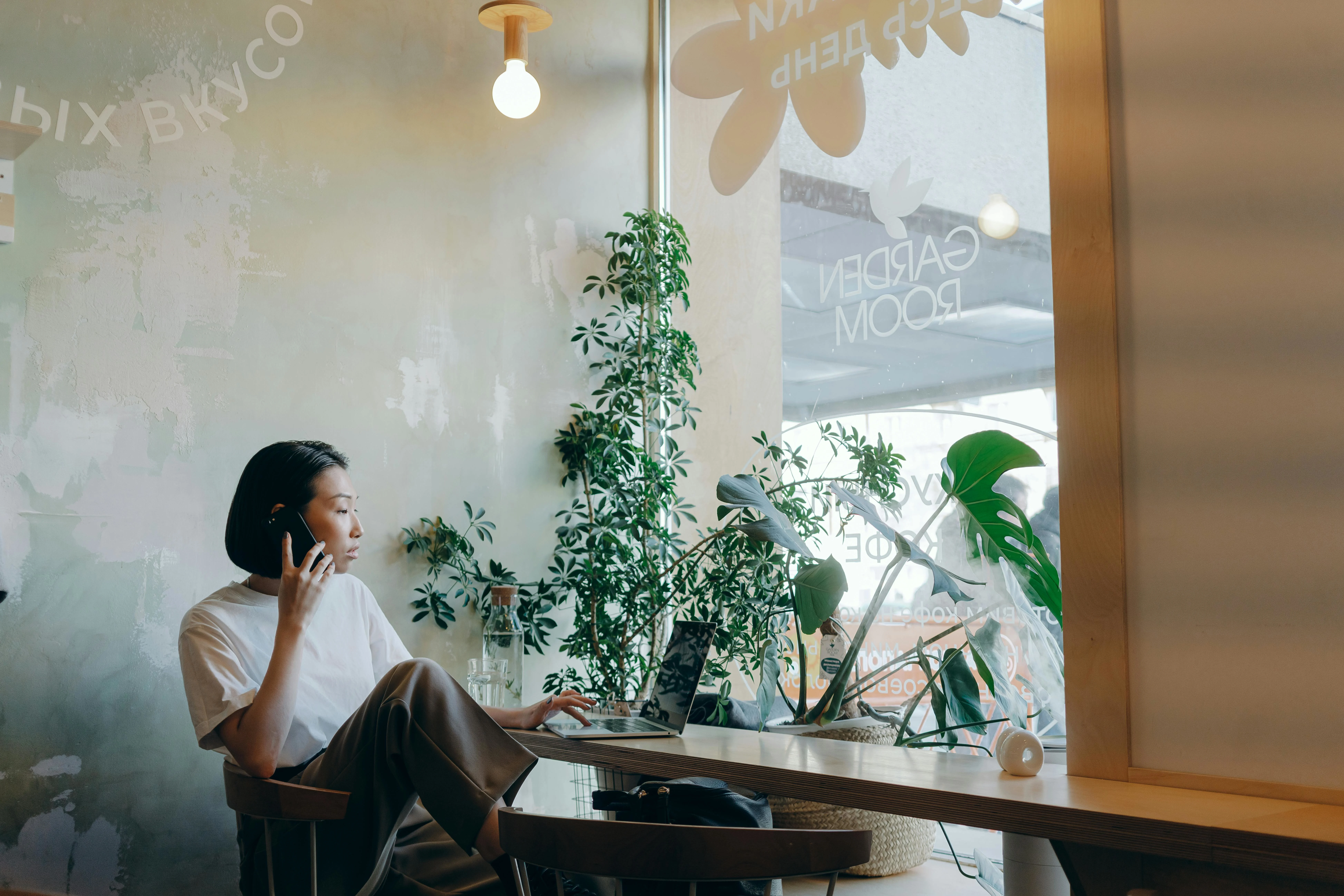
Ari is where Bangkok's architects, designers, and mid-career professionals actually live. The streets are at human scale, the cafes are independently run, and the restaurants serve food aimed at locals rather than tourists. Ari Soi 1 alone has more good coffee options than most cities.
BTS Ari is a 5 to 10 minute walk from most of the neighbourhood and puts central Bangkok 15 minutes away. The Chatuchak Weekend Market is one stop north. The honest limitation is that Ari sits on the north end of the BTS network, which means trips to Silom or Sukhumvit add 20 to 25 minutes each way compared to staying in those areas.
For stays of two weeks or more where the priority is living like a Bangkok resident rather than sightseeing efficiently, Ari is the best neighbourhood in the city. For a 4-day visit with a sightseeing agenda, it adds unnecessary commute time.
Riverside
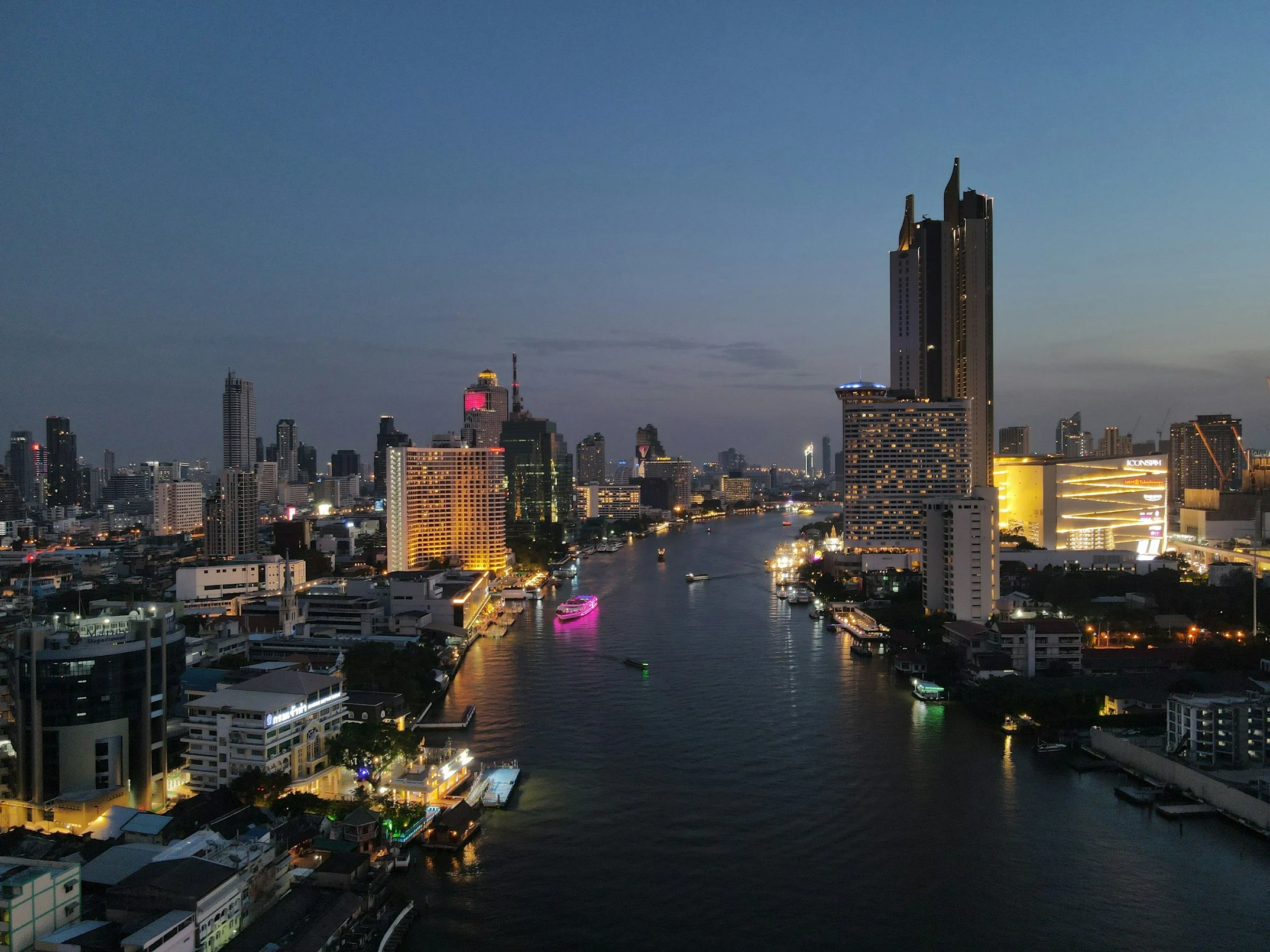
The Chao Phraya River runs through central Bangkok and the hotels along it have some of the best views in the city. The area is also close to the Grand Palace, Wat Pho, and the express boat piers that make cross-river travel fast.
The problem is that the Riverside has no BTS or MRT connection. Getting to Sukhumvit from a riverside hotel means a taxi through traffic that can take 40 to 60 minutes at peak times. The hotel boats and express boats help, but the moment you need to go somewhere not on the river, the commute becomes the story.
Riverside works best as a base for trips focused on temples, river markets, and day excursions rather than city exploration. It suits couples on short stays more than nomads or repeat visitors with a city agenda.
Old City and Rattanakosin
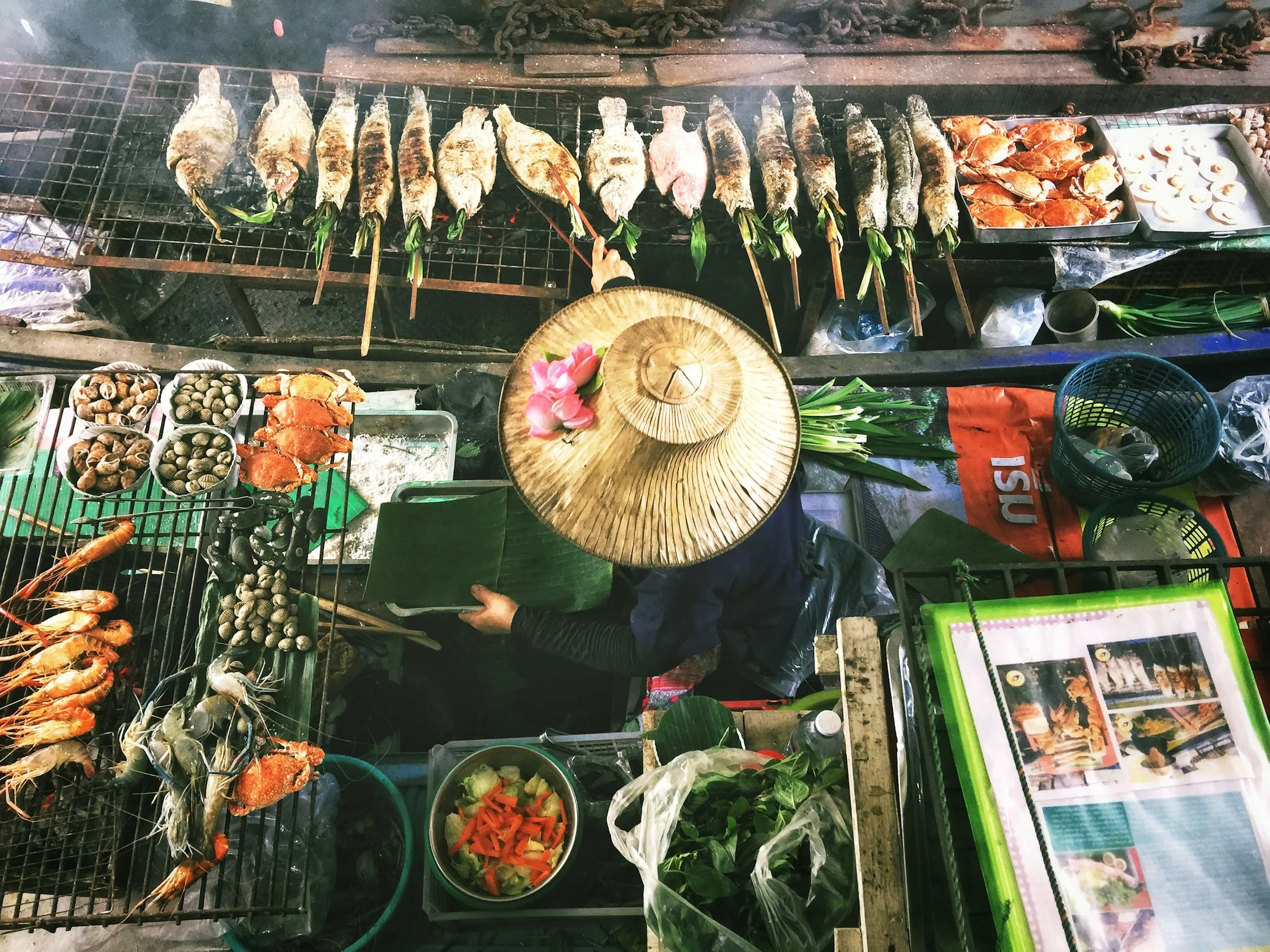
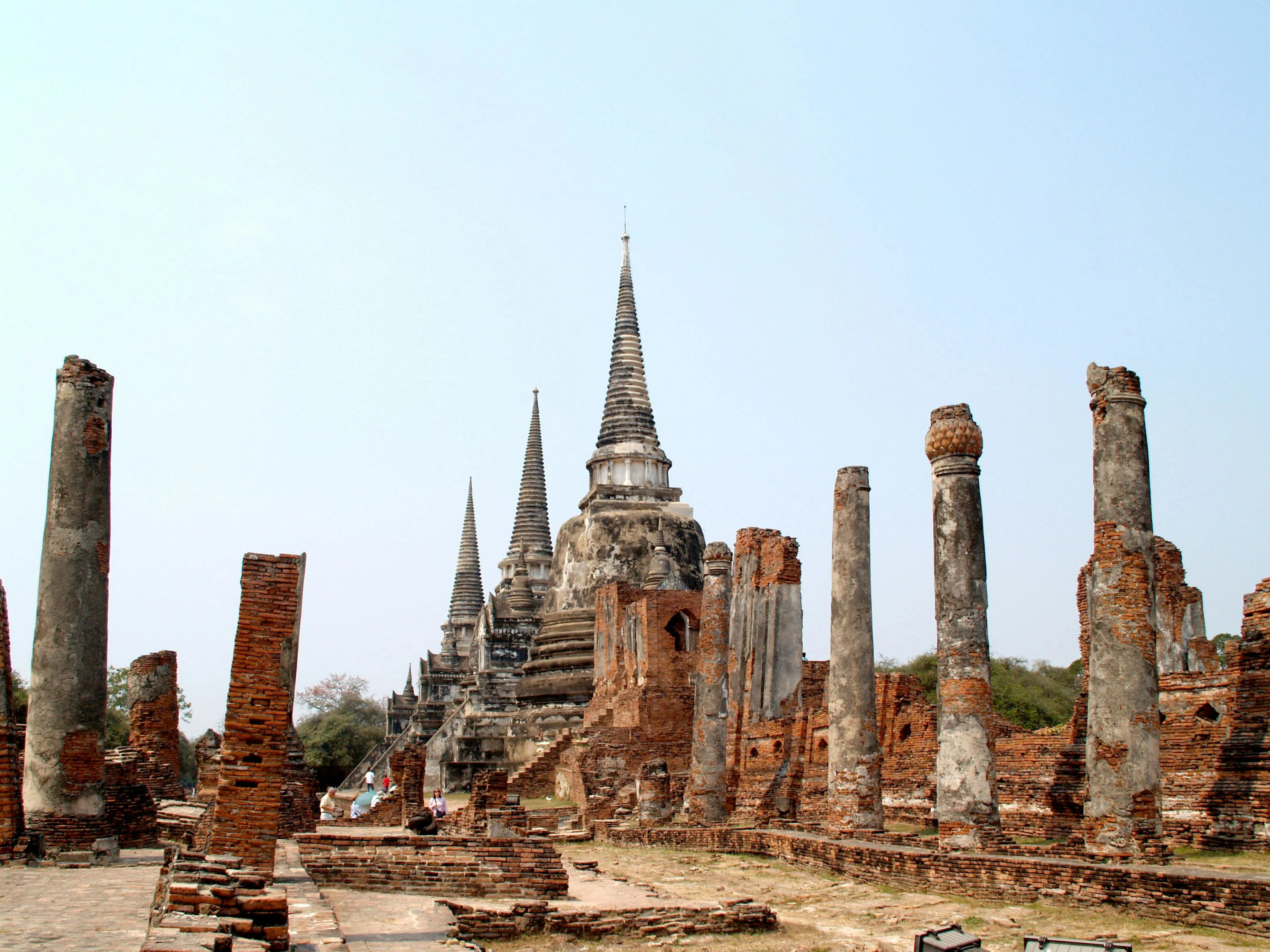
The Old City is where Wat Pho, the Grand Palace, and Wat Arun sit. It makes sense as a base if those are the main priorities. The street food around Tha Tien pier and along Maharat Road is good: boat noodles, pad thai, mango sticky rice from vendors who have been in the same spot for decades.
There is no BTS or MRT here. Getting anywhere outside the Old City requires a tuk-tuk, motorcycle taxi, or taxi through the narrow streets of Rattanakosin. The hotel quality in this area skews toward budget guesthouses and older properties, and mid-range options are limited compared to Silom or Sukhumvit.
Most visitors are better served staying in Silom or Sukhumvit and taking a half-day trip to the Old City rather than basing there for the whole visit.
On Nut and Ekkamai
On Nut and Ekkamai are residential neighbourhoods on the east end of the Sukhumvit BTS line. Rent runs 20 to 30 percent lower than equivalent properties at Asok or Phrom Phong. The Tesco Lotus near On Nut is one of the largest supermarkets in Bangkok, which matters for long stays.
The food scene is more local than Ari but less interesting: the standard mix of street stalls, small Thai restaurants, and local coffee shops rather than the independent cafe culture further up the line. Ekkamai has a slightly better nightlife and restaurant scene than On Nut, centred around the Ekkamai Soi 5 to 10 stretch.
These areas suit expats and long-term residents who prioritise value and quiet over neighbourhood character. For shorter stays, the BTS commute adds time without offering much in return.
Booking tips
Bangkok hotel rates follow a clear seasonal pattern. December through February is peak season with the highest rates and most comfortable weather. May through September is low season: rates drop 25 to 40 percent and the heat breaks in the afternoon with rain. April is Songkran, the Thai New Year water festival, when rates spike for one week and the city runs chaotic in the best possible way.
For stays longer than 3 weeks, contact the property directly after booking the first night to negotiate a monthly rate. Most properties in Ari and the quieter Sukhumvit sois will discount 20 to 35 percent for a 28-night stay. Do not expect the booking platform rate to reflect this.
If airport access is a priority, Silom beats Sukhumvit. The BTS Silom line to Phaya Thai, then the Airport Rail Link to Suvarnabhumi, takes 45 minutes and costs under 100 baht. A taxi from Sukhumvit to the airport runs 300 to 500 baht and 45 to 90 minutes depending on traffic.
Where to go from here
Once you have the neighbourhood sorted, the Bangkok hotel guide covers specific properties in Silom, Sukhumvit, Ari, and the Riverside with honest notes on WiFi, noise, and who each one suits.
For what it costs to actually live in these neighbourhoods month to month, the Bangkok cost of living breakdown has real numbers by area and spending level.
If you are planning a longer stay, the Bangkok digital nomad guide covers coworking options, visa choices, and the month-by-month breakdown of when the city is most liveable.
The full picture of Bangkok as a destination is in the Bangkok city guide.