Cheapest Flights to Thailand from the US: How to Actually Find Them
The cheapest seat on a US to Bangkok flight and the most expensive seat often leave from the same gate on the same day. The difference is when each person booked and what they searched. Most people overpay by $600 to $900 on this route. This guide closes that gap.
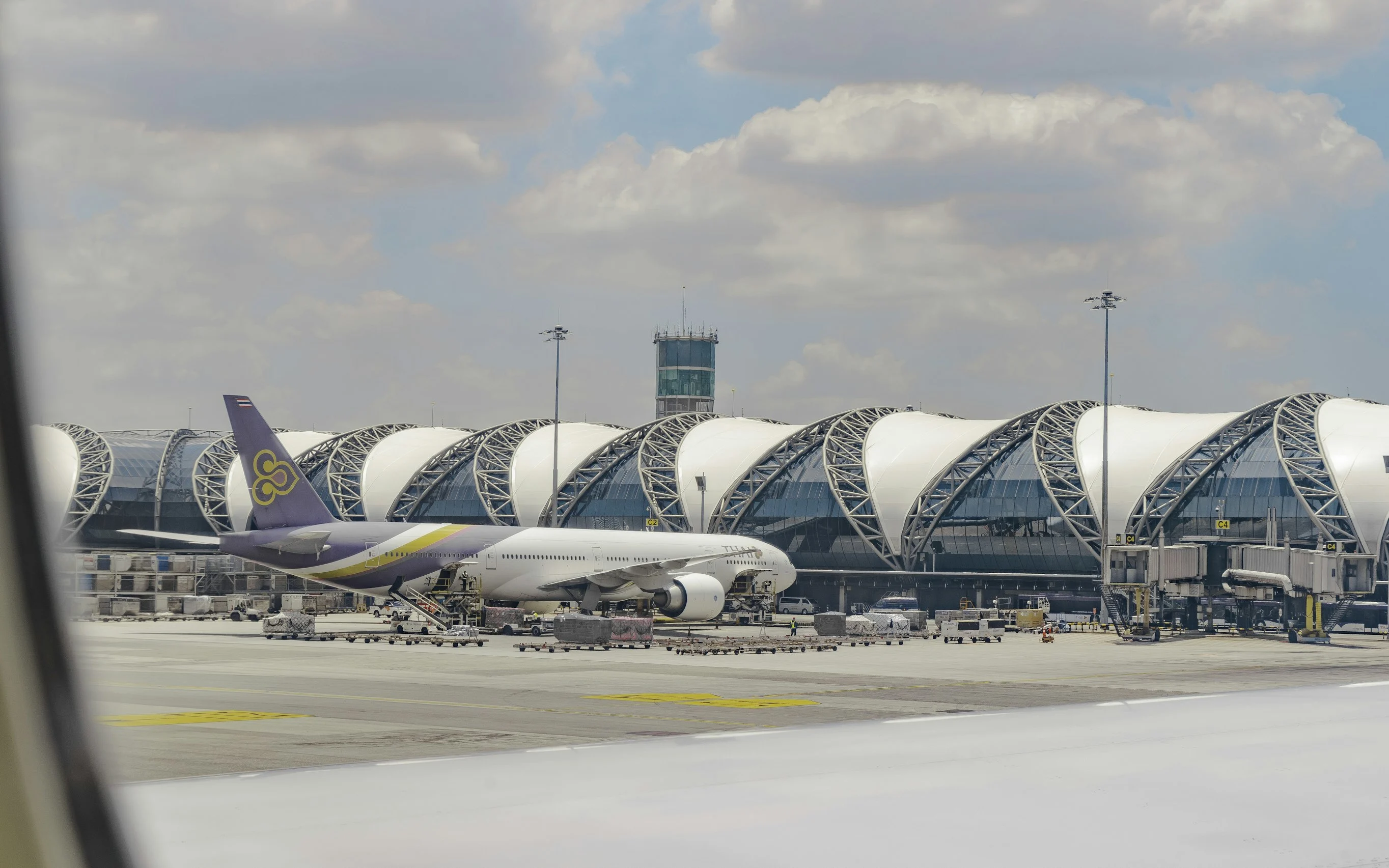
The flight from the US to Bangkok (Suvarnabhumi, BKK) runs 17 to 22 hours depending on the connection. A poorly timed booking on a major carrier costs $1,800 to $2,500 return. A well-timed booking on a connecting route comes in at $600 to $900 return.
Best US Airports to Fly From
Los Angeles (LAX) and San Francisco (SFO) consistently produce the lowest fares to Bangkok because they have the highest competition and the most direct routing options through East Asian hubs. New York (JFK, EWR) has solid options but routes are longer and connection times less forgiving. From the Midwest or South, factor in a domestic leg to a coastal gateway when calculating the real cost.
The cheapest route from the East Coast often involves flying to a European hub (London, Paris, Amsterdam) and connecting to Bangkok on a partner carrier. It sounds backwards. It can save $200 to $400 return.
Which Airlines Are Cheapest
Airline | Hub Routing | Typical Return (Economy) | Notes |
|---|---|---|---|
Thai Airways | Via Bangkok direct or connecting | $700 to $1,200 | Best for direct routing from LAX |
China Eastern | Via Shanghai (PVG) | $550 to $900 | Cheapest option from East Coast, longer layover |
China Southern | Via Guangzhou (CAN) | $550 to $900 | Similar to China Eastern, shorter layover options |
Korean Air / Asiana | Via Seoul (ICN) | $700 to $1,100 | Reliable, good business cabin if upgrading |
Japan Airlines / ANA | Via Tokyo (NRT/HND) | $750 to $1,200 | Higher service quality, worth the premium |
Starlux | Via Taipei (TPE) | $800 to $1,100 | West Coast only (LAX, SFO, SEA), premium product for the price |
Cathay Pacific | Via Hong Kong (HKG) | $700 to $1,100 | Strong business class product |
Singapore Airlines | Via Singapore (SIN) | $800 to $1,300 | Consistently top-rated, worth it for longer trips |
Chinese carriers (China Eastern, China Southern) are the price play if cost is the primary factor. The tradeoff is longer layovers in Chinese hubs and a service experience that varies more than the Korean or Japanese alternatives. Starlux sits in a different bracket: a Taiwanese carrier with a product closer to ANA or JAL, currently available from West Coast departures only. If you are flying from LAX, SFO, or SEA and want a premium experience without Singapore Airlines pricing, Starlux is worth comparing.
Search current fares to Bangkok →
When to Book
The single most effective lever for reducing the price is booking early. Economy fares on US to Bangkok routes are cheapest 2 to 5 months in advance. Inside 6 weeks, prices typically rise 30 to 60 percent on popular routes.
Peak travel periods to avoid, or pay significantly more for, include Thanksgiving week, Christmas through New Year, Chinese New Year (late January or February), and Songkran in April. The cheapest weeks to fly are mid-January through early February, May through early June, and September through early October. If your dates are flexible, those windows are where the $600 fares live.
Set a price alert on Google Flights for your specific route and travel window. A 2-day difference in departure date can move the price by $200 to $400 return. Check it every few days once you are inside the 5-month window.
The Layover Question

Almost all US to Bangkok flights involve at least one connection. A short layover of 1.5 to 3 hours at a major East Asian hub is fine if the connections are protected on a single ticket. A long layover of 12 to 24 hours in Seoul, Tokyo, or Singapore can be an asset if you want to see the city without booking a separate trip.
Avoid buying separate tickets for the US leg and the Asia leg unless you are certain the first flight will arrive on time. If the first flight is delayed and you miss the connection on a separate ticket, the second airline owes you nothing. That is an expensive lesson on a 22-hour journey.
Layovers in Chinese hubs (Shanghai, Guangzhou, Beijing) require checking whether your passport needs a transit visa. US citizens currently do not need one for transits under 24 hours, but this policy changes. Verify before booking, not after.
Tools That Actually Work
Google Flights is the most useful starting point. Use the Explore feature with your departure airport to see price drops across destinations, or enter Bangkok (BKK) and switch to the calendar view to find the cheapest dates in your window. The price alert feature is worth setting up for every route you are seriously considering.
Skyscanner works similarly and sometimes surfaces fares that Google Flights misses. Compare both before committing. For business class fares and award availability, Travelpayouts aggregates deals across multiple carriers in one search.
Book directly through the airline's own website after finding the cheapest option on a comparison tool. You get better customer service if something goes wrong and cleaner access to your booking for any changes.
Economy vs Business: When the Upgrade Is Worth It
Economy from the US to Bangkok is a 17 to 22 hour commitment. Most people who do it once start running the upgrade math before they book the return. The question is whether the price difference makes sense against your budget and how often you plan to make the trip.
Business class fares on US to Bangkok routes typically run $2,500 to $5,000 return on major carriers. Singapore Airlines, Cathay Pacific, and ANA have the strongest long-haul business products on this route. If you are sitting on points or miles from US credit card programmes, this is one of the better redemptions given what the cash price looks like.
For first-time visitors on a budget trip, economy is the call. For anyone planning to visit annually or stay for an extended period, the upgrade math improves fast once you factor in how you feel on day one in Bangkok after 20 hours in a middle seat.
Flying Into Chiang Mai or Phuket Directly

If Bangkok is not your first stop, check whether a direct flight to Chiang Mai (CNX) or Phuket (HKT) from your connection hub is available. Korean Air flies Seoul to Chiang Mai. Several carriers fly into Phuket from major East Asian hubs. Skipping the Bangkok leg saves a domestic flight and several hours of travel time.
Check connection options at Seoul (ICN), Tokyo (NRT), and Singapore (SIN) for direct routes to secondary Thai airports. The savings vary by route and season, but if Chiang Mai or Phuket is your primary destination the numbers are often worth running.
Where to Go from Here
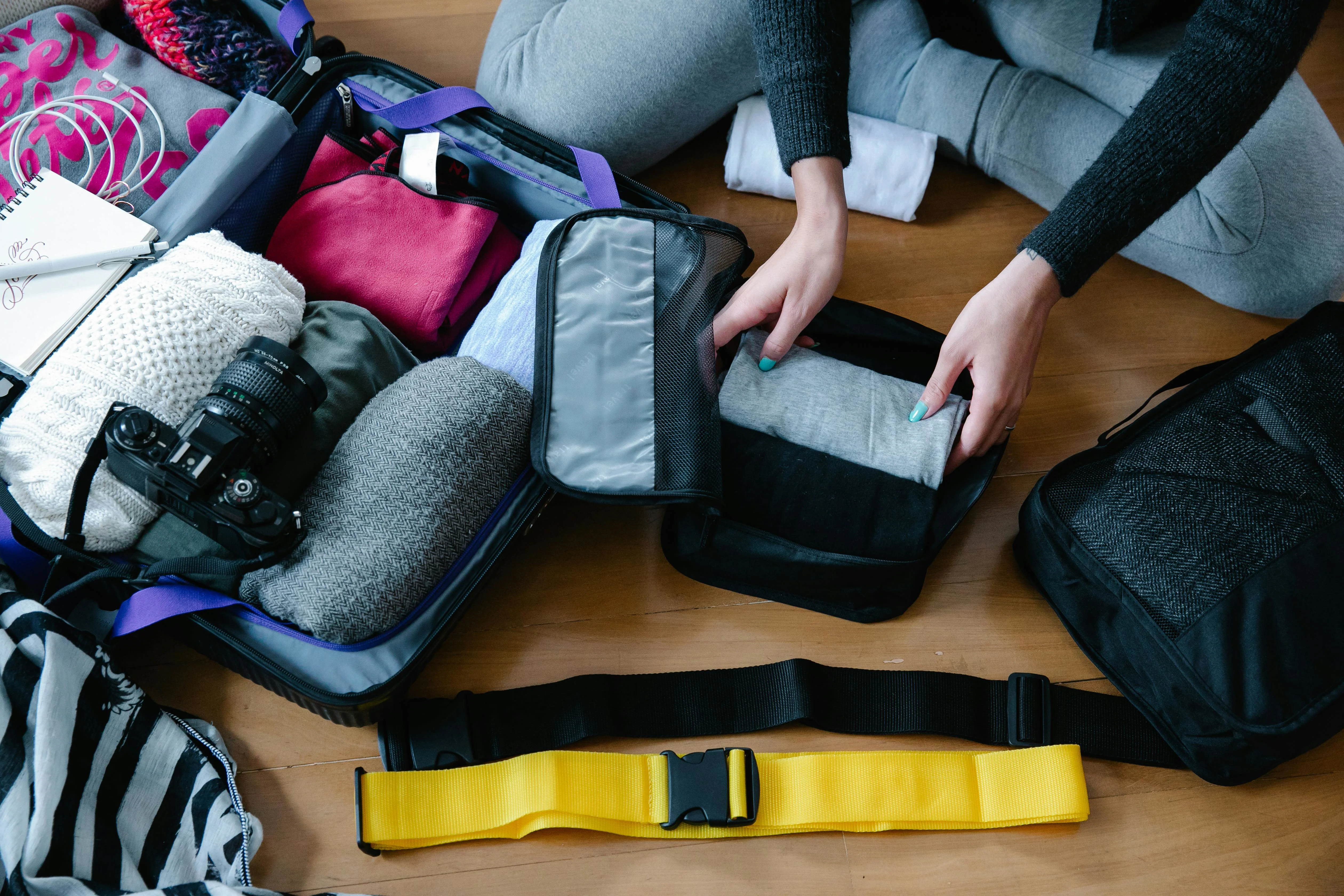
Once flights are sorted, the first trip to Thailand guide covers visas, money, transport, and what to expect on the ground. If your dates are still flexible, the best time to visit Thailand breakdown shows which months move the price and which ones get you the best weather. The Thailand packing guide covers what to bring so you are not buying half your kit at a Chatuchak stall on day two. For first-timers, Thailand for beginners covers the 10 things that catch most people off guard before they land.