Thailand for Beginners: 10 Things That Confuse Every First-Time Visitor
Thailand is one of the more forgiving countries to visit for the first time. The tourist infrastructure is solid, locals are patient with confused visitors, and English signage covers most of what you need. None of that means the first few days will not involve at least one expensive mistake or a moment of standing on a pavement wondering what just happened.
This is not a list of cultural reminders you have already read. These are the practical things that actually create problems on the ground.
1. The ATM Fee Is Per Transaction, Not a Percentage
Every Thai ATM charges a flat fee of 200 to 220 baht per withdrawal regardless of how much you take out. Taking out 500 baht costs the same as taking out 5,000 baht. Take out larger amounts less frequently and the maths works in your favour immediately.
Most foreign bank cards add their own foreign transaction fee on top of the ATM charge. Wise and Revolut cards avoid this second layer and are the most cost-effective way to access baht throughout the trip. Set one up before you leave.
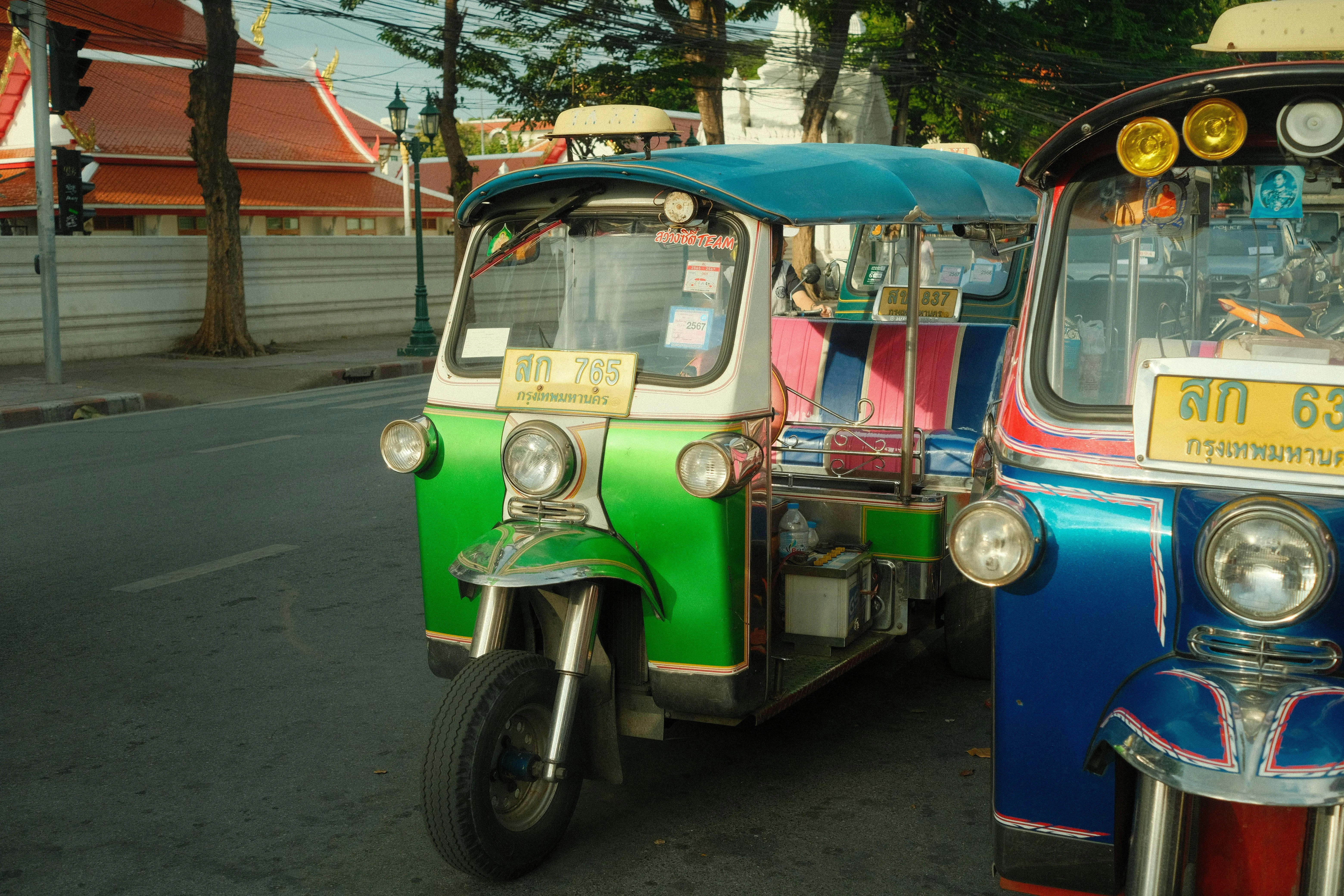
2. Tuk-Tuks Are Not Transport
Tuk-tuks in Bangkok are not faster or cheaper than taxis. They are slower in traffic, louder, and unmetered, which means the price you negotiate will be higher than a metered taxi. They also sometimes detour to gem shops or tailor shops for a commission before reaching your destination.
Grab is the correct answer for getting around Bangkok and most other Thai cities. Fixed price before you confirm, no negotiation, and a driver who is accountable through the app. Metered taxis work too, but you sometimes have to insist on the meter, and some drivers will refuse it. If they do, get out and take the next one.
3. Street Food at Busy Stalls Is the Safer Option
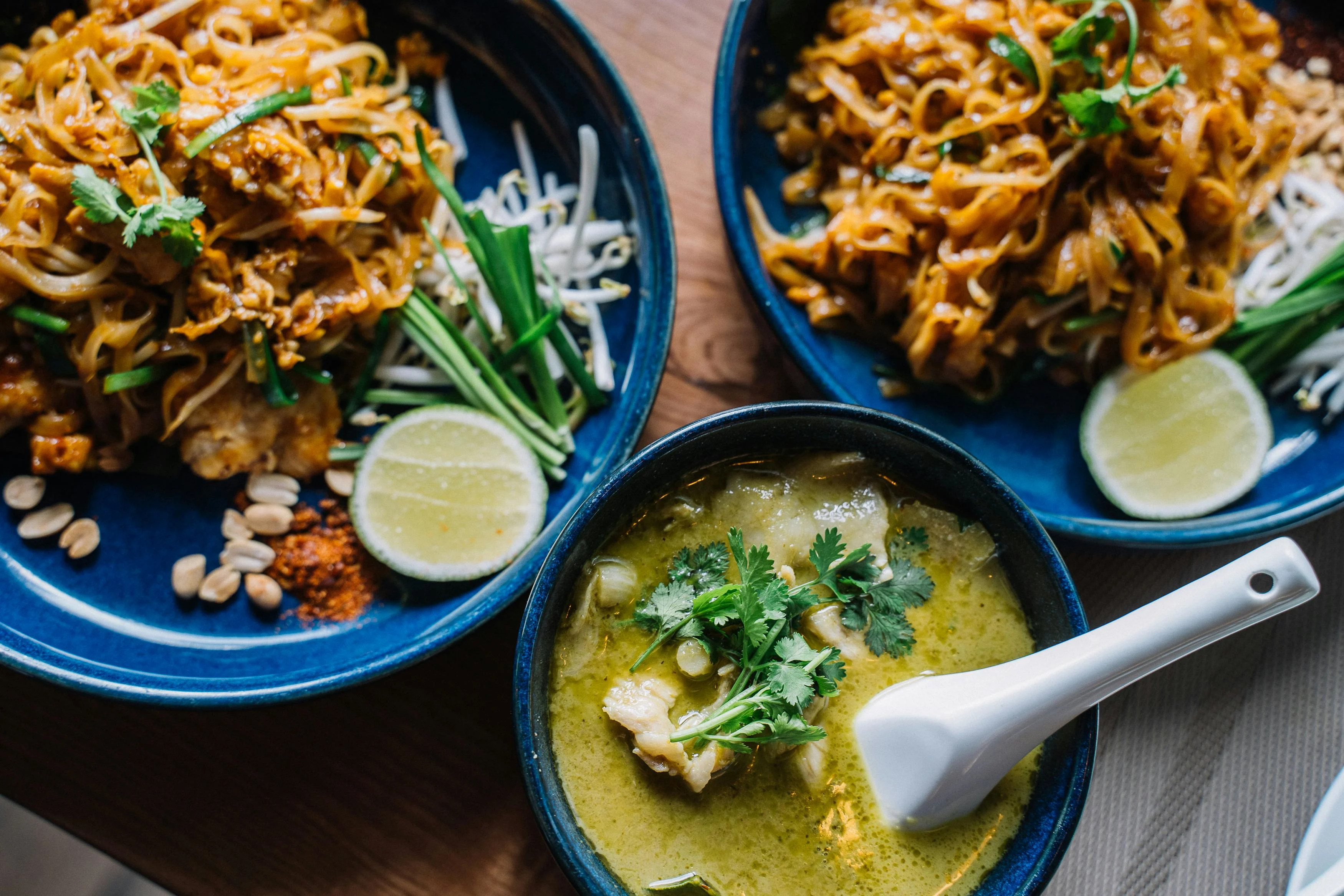
First-time visitors sometimes avoid street food out of concern about safety. This is largely backwards. A stall cooking pad thai for 80 customers an hour has fresher and hotter food than a tourist restaurant serving the same dish. High turnover is the most reliable indicator of food safety at any stall.
The things to avoid are pre-cut fruit sitting in direct sun, raw salads at quiet stalls, and anything that looks like it was cooked once and reheated multiple times. Busy stalls with locals eating at them are the benchmark. For a full breakdown of what to order and where, the Thai food guide covers the dishes worth finding by region.
4. Temple Dress Codes Are Enforced, Not Suggested
Covered shoulders and knees are required at all major temples including Wat Pho, Wat Arun, and the Grand Palace. Showing up in shorts or a sleeveless shirt means no entry or a sarong rental at the gate for 20 to 50 baht. Some temples have installed photo boards showing exactly what is and is not acceptable after years of ignoring requests.
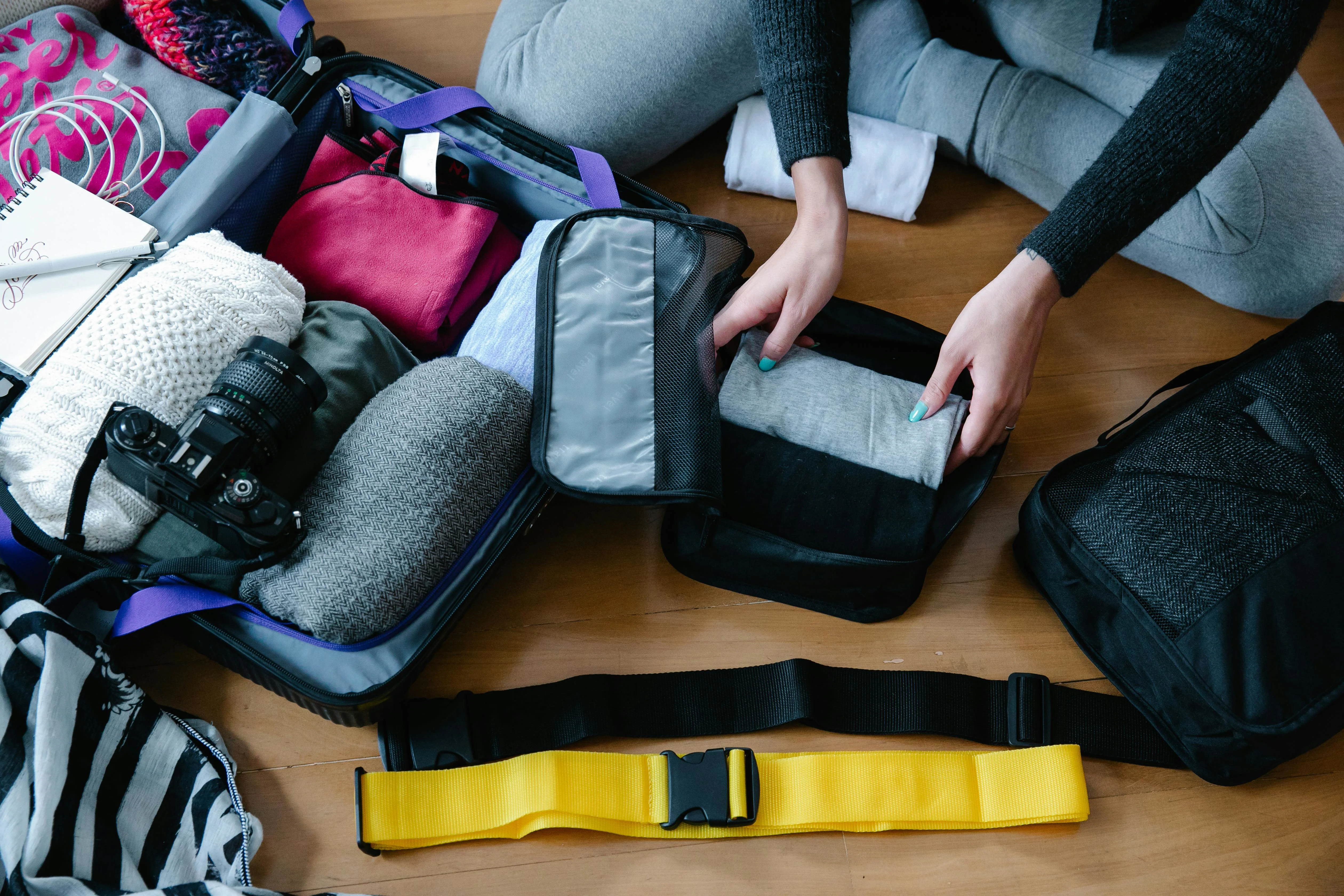
A lightweight long-sleeve shirt and linen trousers or a long skirt handle the requirement without adding much weight or heat. The Thailand packing guide covers the specific fabrics that work best in 35-degree temperatures.
5. The Grand Palace Queue Is Not Where You Think
The Grand Palace is one of the most visited sites in Southeast Asia and the queue management is genuinely confusing for first arrivals. The main entrance is on Na Phra Lan Road. The ticket office is inside the outer wall, not at the street level. Do not let anyone outside the walls tell you the entrance is closed or direct you elsewhere. It is one of the oldest scams in Bangkok.
The site closes at 3:30pm for last entry. Go before 8:30am when it opens. By 10am in peak season the queues and internal crowds significantly reduce the experience. The Grand Palace and Wat Pho together take a full half-day at minimum, so allocate accordingly.
6. Bargaining Is Expected in Some Places and Rude in Others
Bargaining is normal at outdoor markets (Chatuchak, Pratunam, night markets), with tuk-tuks and unmetered transport, and with some smaller guesthouses. It is not appropriate at restaurants, 7-Elevens, supermarkets, department stores, or anywhere with a fixed price tag or printed menu.
A reasonable opening offer at markets is 50 to 60 percent of the asking price. Walking away politely often brings a better offer back. Arguing over 20 baht is considered rude and is not worth the relationship damage for either side.
7. "Mai Pen Rai" Is How Thailand Handles Problems
"Mai pen rai" translates roughly as "never mind" or "it does not matter." It is the default Thai response to mistakes, delays, and problems of all sizes. Getting visibly frustrated, raising your voice, or confronting someone directly makes things worse and will not produce better service.
If something has gone wrong, calm and polite persistence is the most effective tool available. A smile and a patient explanation get better results than anger in almost every situation. Public displays of frustration are seen as a loss of face and make the person you are dealing with less inclined to help, not more.
8. The Flights Between Thai Cities Are Very Cheap
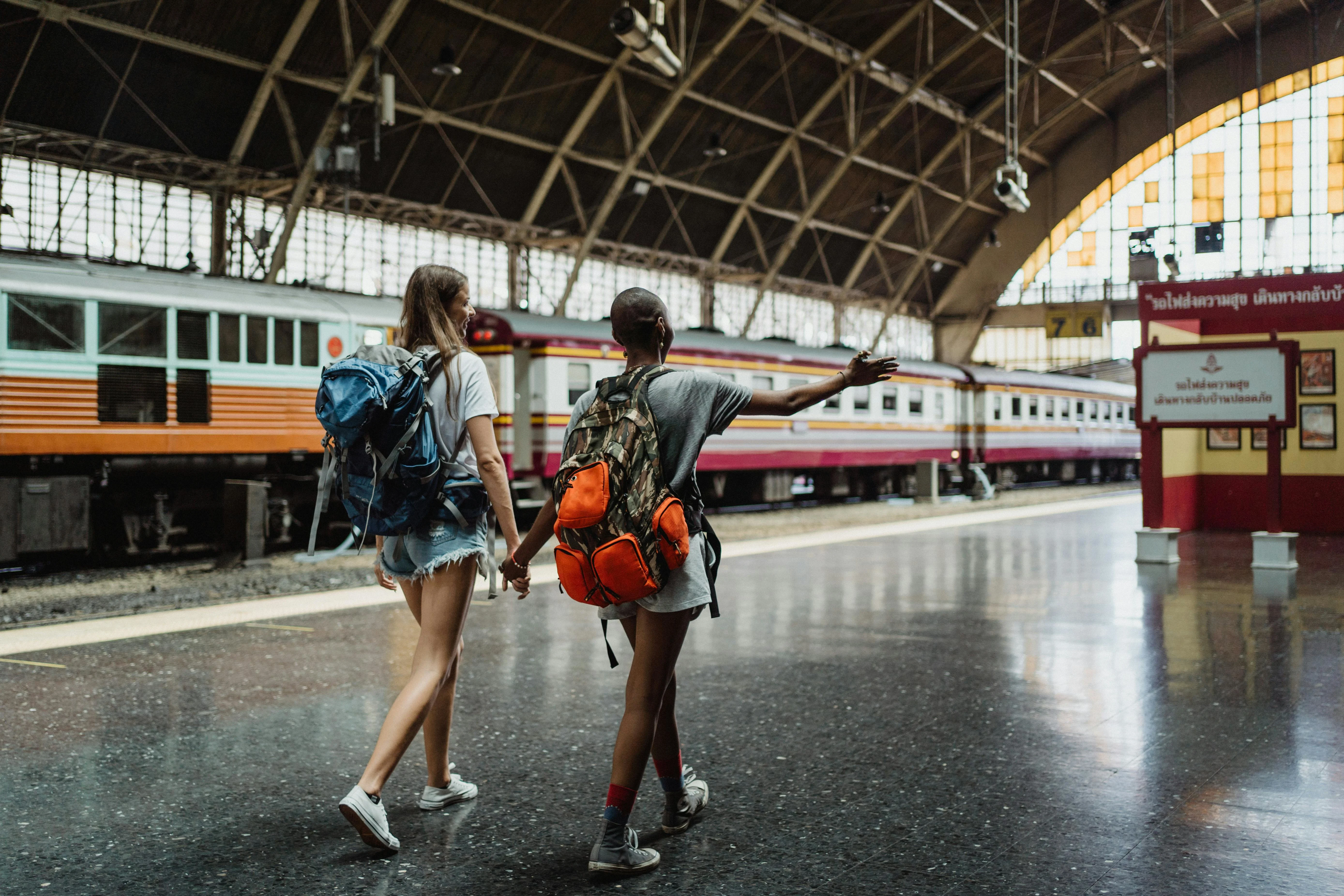
Many first-time visitors spend hours on overnight buses or trains between Bangkok and Chiang Mai when a flight costs 600 to 1,200 baht and takes 1 hour and 15 minutes. AirAsia, Nok Air, and Thai Lion Air all fly the route multiple times daily. For distances over 400 kilometres, the flight is almost always worth it for the time saved.
Book through the airline's own website for the lowest base fare and check in online to avoid baggage queues. The cheapest flights to Thailand from the US guide covers the booking windows that also apply to domestic legs.
9. Always Ask for the Meter in a Bangkok Taxi
Metered taxis in Bangkok start at 35 baht and add 2 baht per kilometre. Always say "meter, please" when you get in. If the driver refuses, get out and take the next one. It is not a negotiation.
Grab eliminates this entirely because the price is fixed before the ride starts. Most visitors to Bangkok use Grab for the majority of trips and only use street taxis when Grab is unavailable or surging. It is the simpler option and worth having installed before you land.
10. 7-Eleven Is More Useful Than It Looks
Thailand has around 14,000 7-Eleven stores and they cover more ground than most visitors expect. You can pay utility bills, buy and top up SIM cards, send and receive courier packages, get hot meals, and pay for some hotels and guesthouses directly at the counter.
The coffee machines cost 30 to 45 baht and outperform most tourist cafes in the same price range. The ready meals are inconsistent but the sandwiches and onigiri are reliable. ATMs are at almost every location, which matters when you need cash at odd hours.
Where to Go from Here
The first trip to Thailand guide covers visas, money, transport, and airports in detail. For timing your trip around the right weather and the right region, the best time to visit Thailand breakdown is worth reading before you book. The full destination and city guides are on the Thailand travel guide.