First Trip to Thailand: Everything You Need to Know
Thailand's tourist infrastructure is better than almost anywhere else in Southeast Asia. The airports work, the trains run, the ATMs are everywhere, and street food costs less than a coffee back home. None of that means you cannot make expensive or avoidable mistakes on your first trip. Most first-timers make the same five or six.
This guide covers what to sort before you land and what to expect once you are on the ground.
Visa Basics
Most Western passport holders (US, UK, Australia, EU) receive a 60-day visa exemption on arrival. No advance application needed. You get a stamp in your passport and 60 days from the date of entry.
If you want to stay longer, you can extend once at an immigration office for 30 more days, giving 90 days total. The extension costs 1,900 baht and takes around 2 hours at most offices. Bring your passport, one passport photo, and cash.
For longer than 90 days, you need a proper visa. The DTV (Destination Thailand Visa) allows 180 days per entry over 5 years and costs 10,000 baht. The full breakdown is in the Thailand visa guide.
Money and ATMs
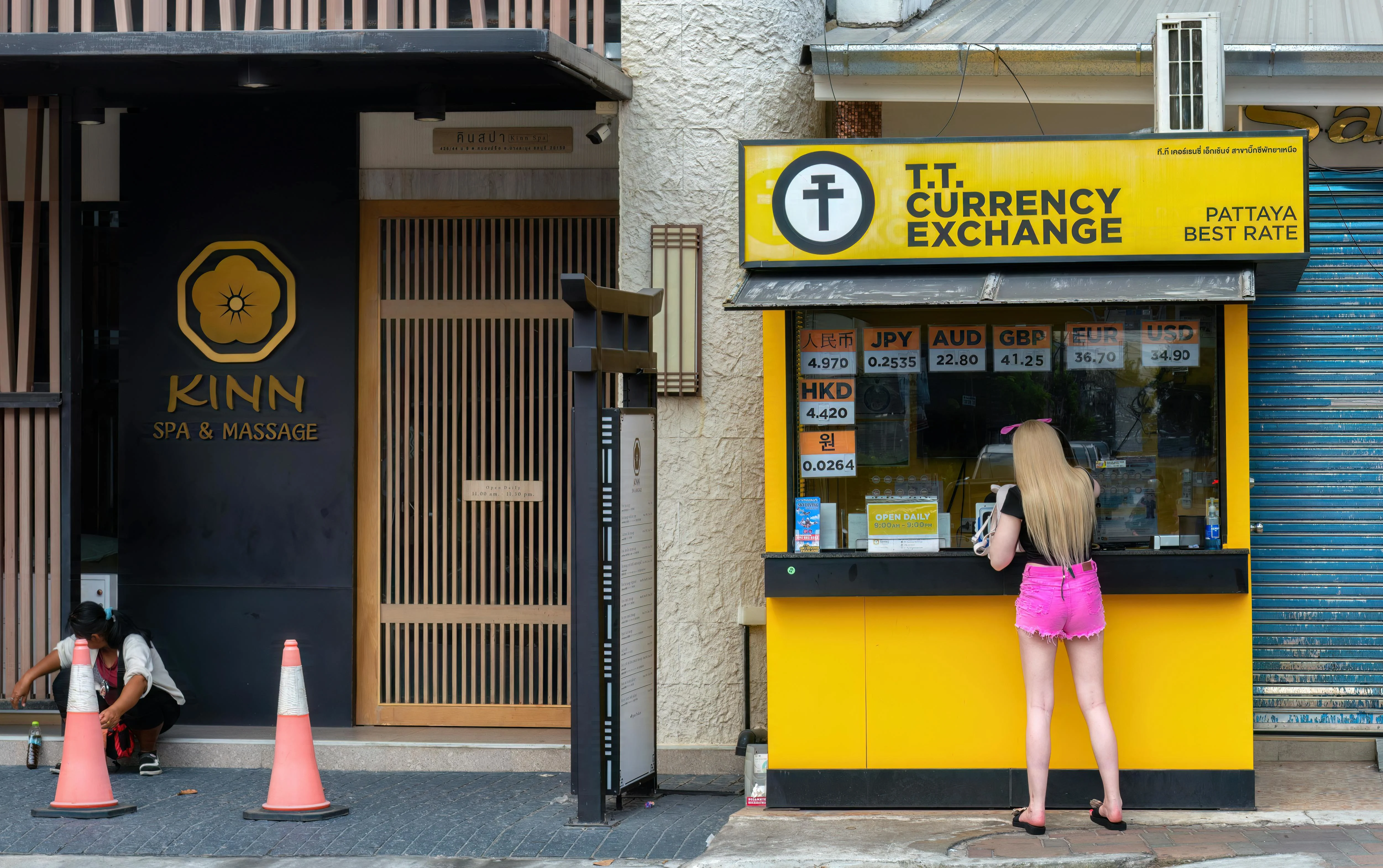
Thailand uses the Thai Baht (THB). The exchange rate runs around 35 to 36 baht per US dollar, 44 to 46 baht per British pound, and 38 to 40 baht per Euro as of 2026.
ATMs are everywhere in cities and tourist areas. Most charge a fixed fee of 200 to 220 baht per withdrawal regardless of how much you take out. Take out larger amounts less frequently to keep the fee from eating into your budget. Wise and Revolut cards skip the foreign transaction fee that most standard bank cards stack on top of that.
Cash still runs most of daily life. Street food stalls, local markets, and smaller guesthouses operate cash only. Cards are accepted at hotels, malls, and most mid-range restaurants. Never exchange money at the airport unless you need a small amount to get into town. The rates are worse and you will find better options everywhere else.
Getting from the Airport
Bangkok has two airports. Suvarnabhumi (BKK) handles most international flights and connects to central Bangkok by rail in 30 minutes for 45 baht. Don Mueang (DMK) handles budget carriers and needs a bus or taxi into the city, costing 200 to 350 baht and taking 45 to 90 minutes depending on traffic.
Chiang Mai airport sits 10 minutes from the city centre by taxi, costing 100 to 150 baht. Phuket airport is 40 to 50 minutes from Patong and 30 minutes from Phuket Town, with taxis running 500 to 800 baht.
Always use metered taxis or Grab at Thai airports. The fixed-price taxis in arrivals charge double the metered rate. Follow the signs to the metered taxi queue and ignore the touts who will approach you the moment you walk out of baggage claim.
Getting Around Thailand
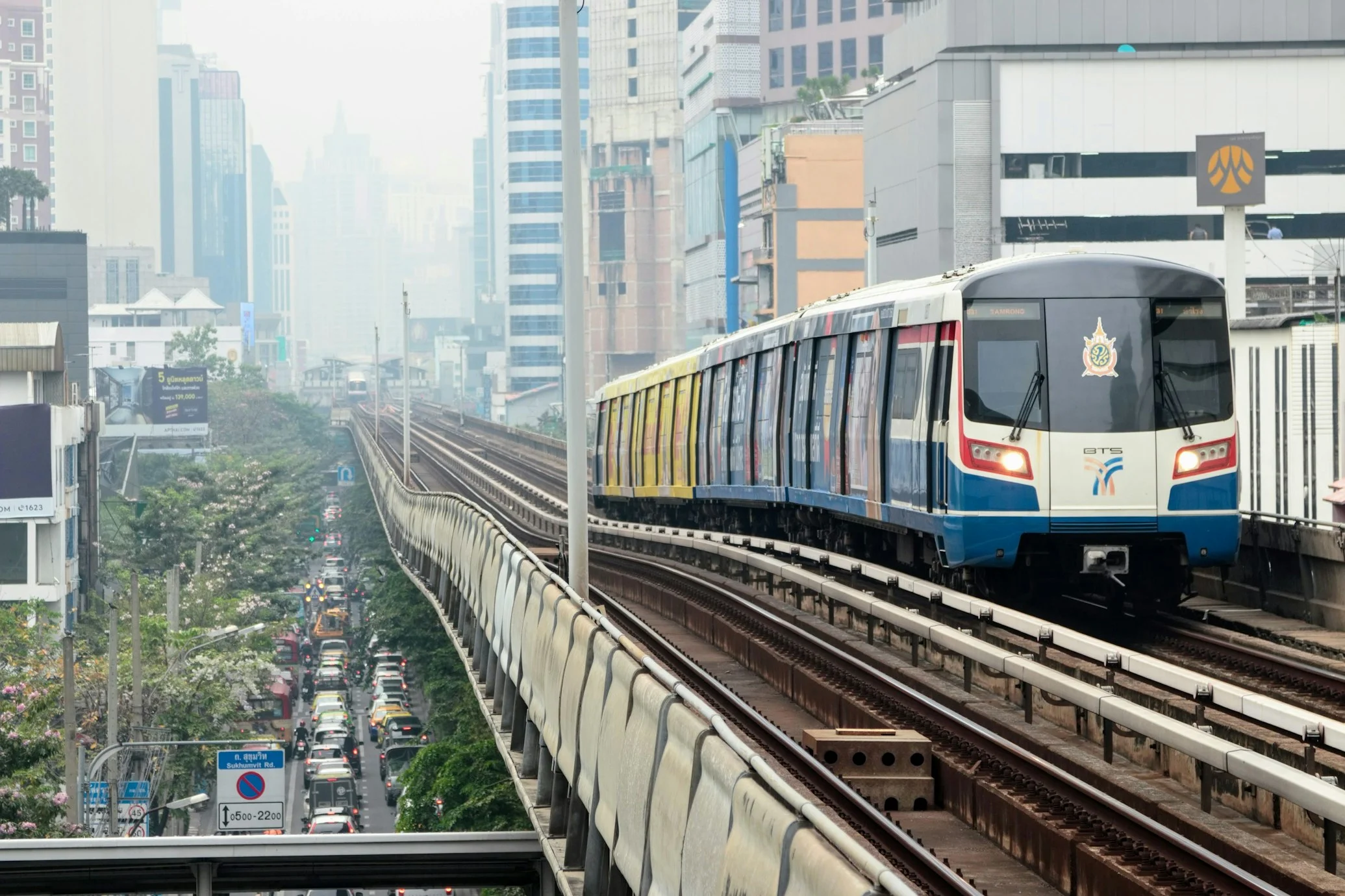
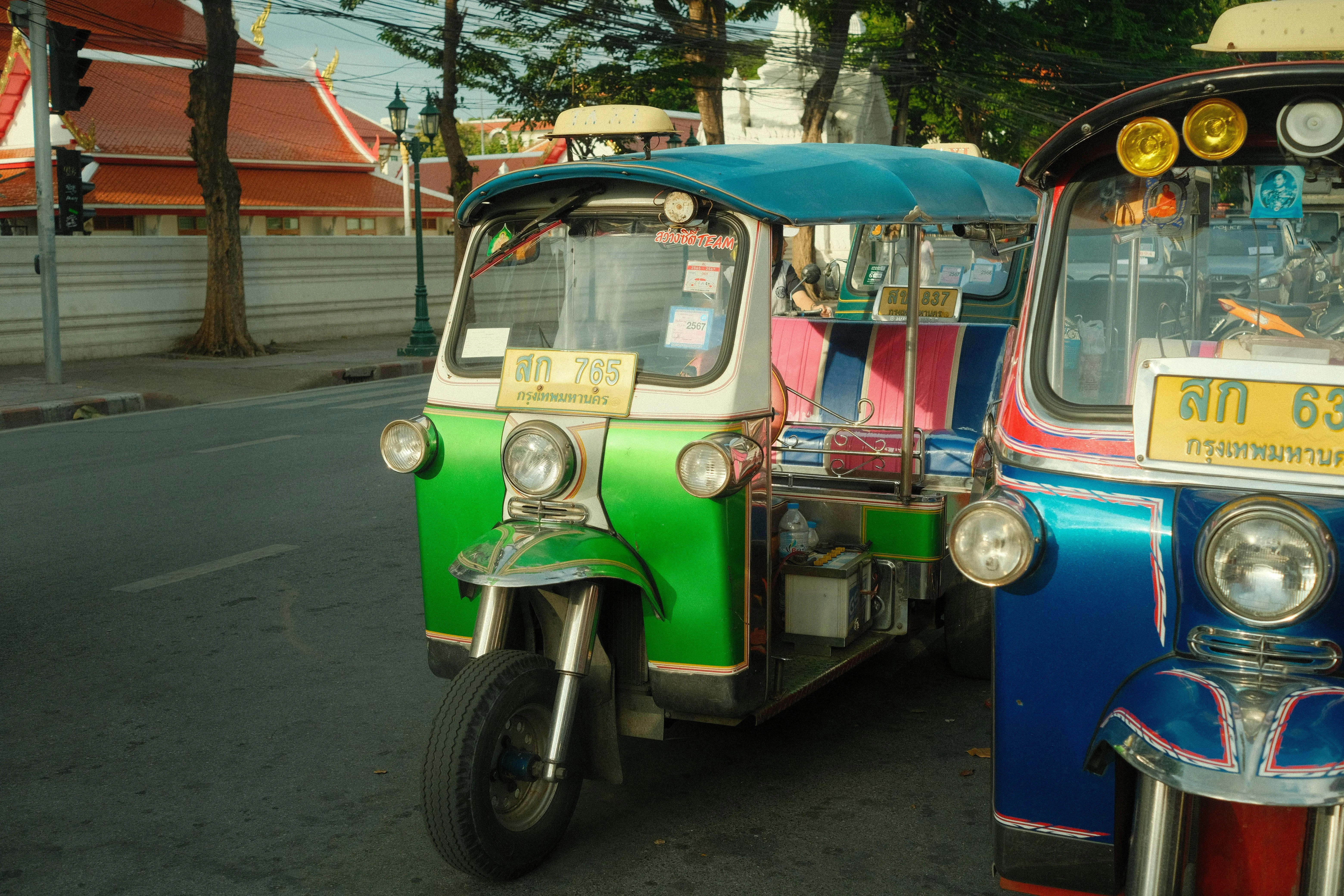
Within Bangkok, the BTS Skytrain and MRT metro cover most areas worth visiting. A single journey costs 16 to 59 baht depending on distance. Grab works across all major Thai cities and gives you a fixed price before you confirm, which removes the negotiation entirely.
Between cities, budget airlines are the fastest call. AirAsia and Nok Air connect Bangkok to Chiang Mai, Phuket, Koh Samui, and other destinations in 1 to 2 hours for 500 to 2,000 baht booked in advance. The overnight train from Bangkok to Chiang Mai takes 12 hours, costs 600 to 1,500 baht for a sleeper berth, and is a good option if you want to save a night's accommodation and arrive rested.
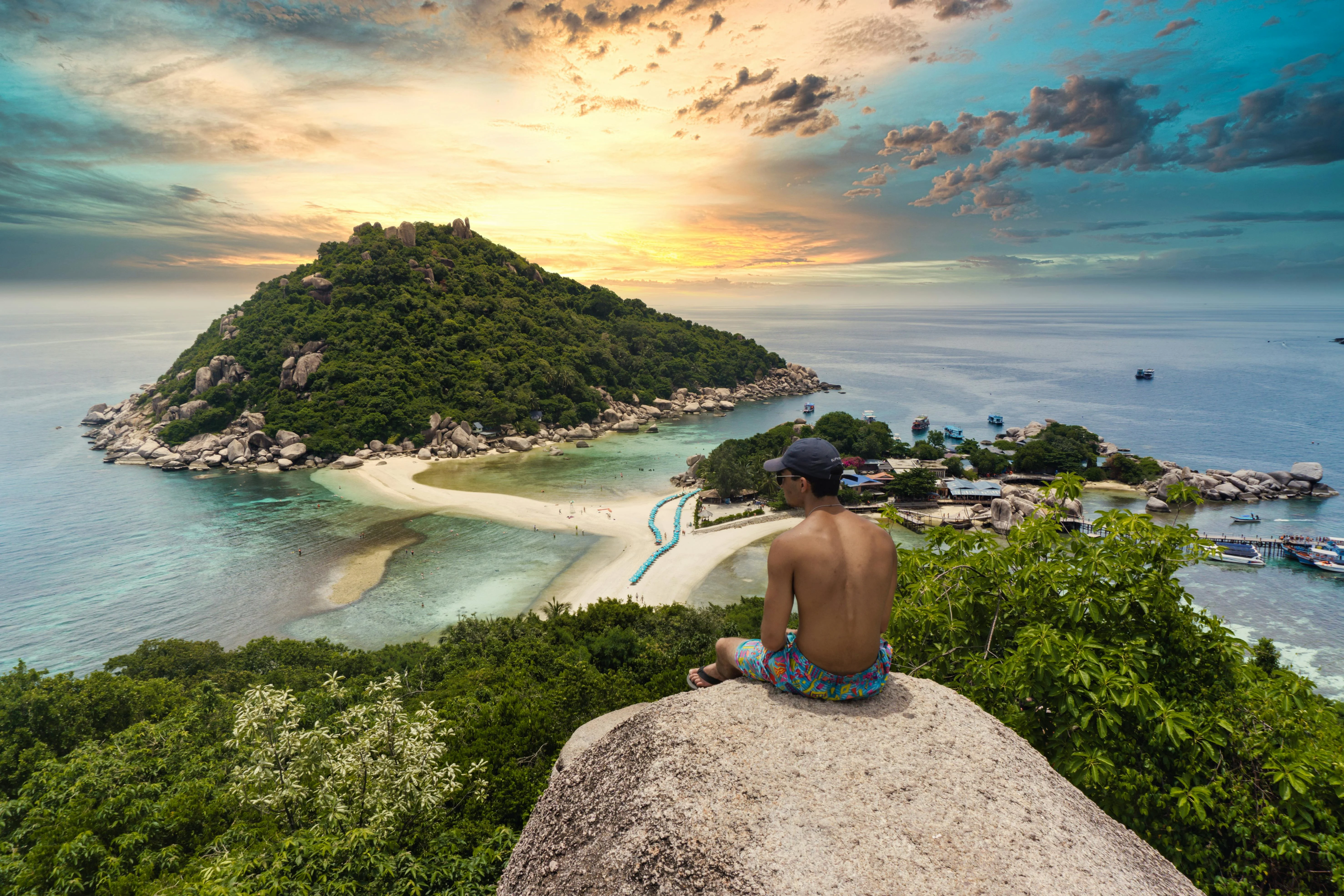
For islands, ferries run regular routes between the mainland and most destinations. The Samui, Phangan, and Tao triangle in the Gulf is the most common route, with ferries departing from Surat Thani on the mainland several times daily.
What Things Cost
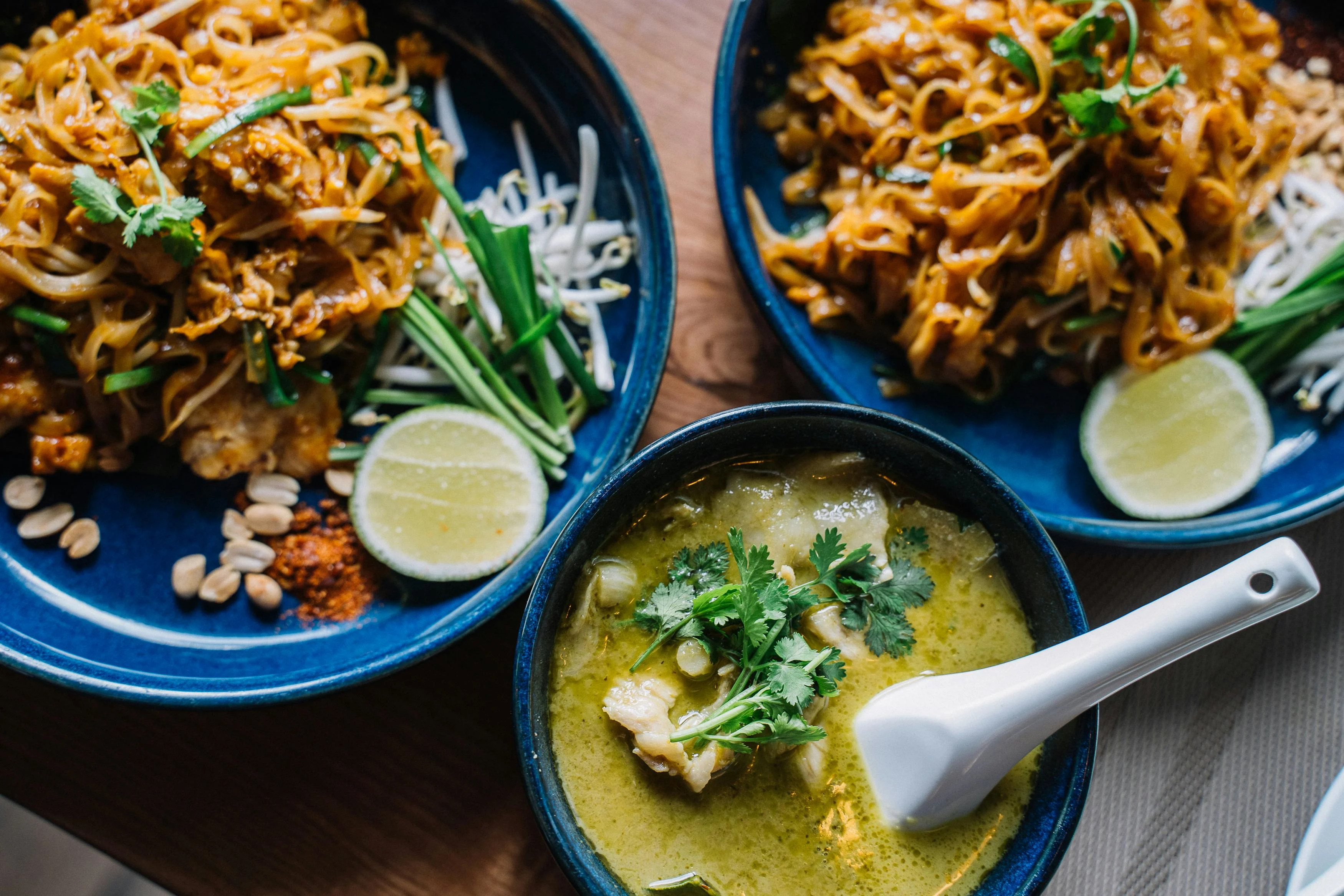
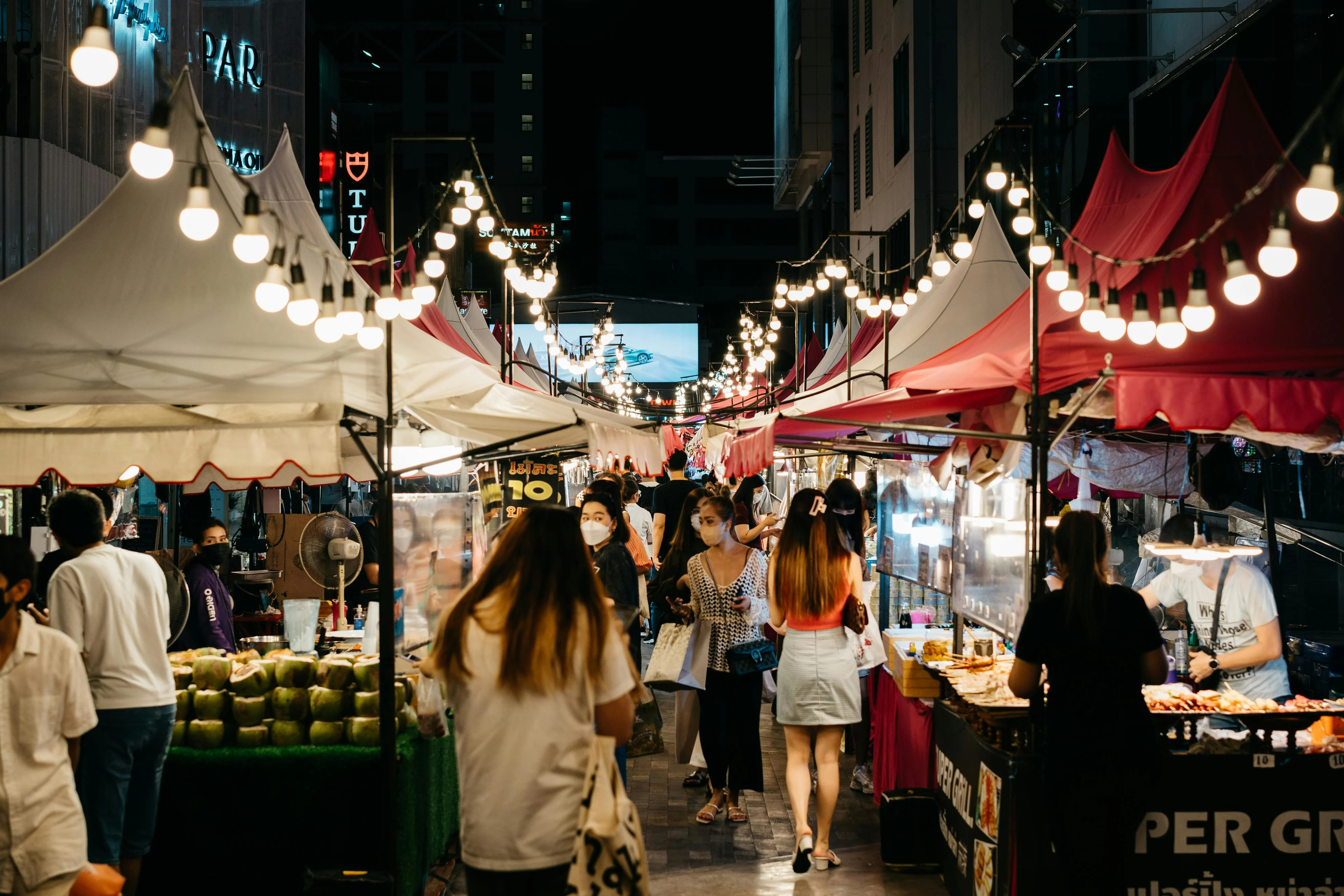
Street food runs 50 to 120 baht per dish. A bowl of noodles, a plate of fried rice, or a papaya salad at a local market costs around 60 baht. Sit-down Thai restaurants charge 120 to 300 baht per main. Western restaurants in tourist areas run 250 to 600 baht per dish, and the quality rarely justifies the premium over local food. The Thai food guide covers what to order and where to find it.
A beer at a 7-Eleven costs 45 to 55 baht. The same beer at a tourist bar costs 80 to 150 baht. A cocktail at a rooftop bar in Bangkok runs 350 to 550 baht.
Budget accommodation starts around 300 to 600 baht per night for a clean guesthouse. Mid-range hotels in Bangkok and Chiang Mai run 1,000 to 2,500 baht per night. Resorts in Phuket or Koh Samui start around 2,500 baht and go significantly higher in peak season.
Health and Safety Basics
Do not drink tap water. Bottled water costs 7 to 15 baht for a 1.5-litre bottle at any 7-Eleven or convenience store. Most hotels provide complimentary bottles or a refill station.
Street food is generally safe. High turnover at busy stalls means food is cooked fresh constantly. Stick to stalls busy with locals and avoid anything that has been sitting uncovered in the heat. Stomach upsets happen on a first trip but are usually mild and short.
Thailand requires no specific vaccinations to enter, but hepatitis A, typhoid, and routine jabs are recommended. Check with your doctor 4 to 6 weeks before departure. Travel insurance with medical cover is not optional. Bumrungrad Hospital in Bangkok is one of the best private hospitals in Asia and sees foreigners daily, but the bills reflect that.
Cultural Basics That Matter

Remove your shoes before entering temples and private homes. Dress modestly at temples, covering shoulders and knees. Sarongs are available to rent or borrow at major temples for 20 to 50 baht if you show up underdressed.
The Thai Royal Family is treated with the deepest respect. Criticism of the monarchy is illegal and carries serious criminal penalties. This is not a cultural grey area and not something to test.
Do not touch anyone on the head, including children. Do not point your feet at people or at religious objects. A smile, patience, and a polite "khob khun krap" (male) or "khob khun ka" (female) will carry you through most situations where the language barrier would otherwise be a problem.
SIM Cards and Connectivity
Buy a tourist SIM card at the airport arrival hall or any 7-Eleven. AIS, DTAC, and TrueMove all offer 30-day data plans with 30 to 100 GB of data for 300 to 599 baht. Setup takes 5 minutes and the staff speak enough English to get you sorted.
International roaming from most Western carriers is expensive and makes no sense for anything longer than a transit. A local SIM is the right call for any stay over 3 days.
Where to Go from Here
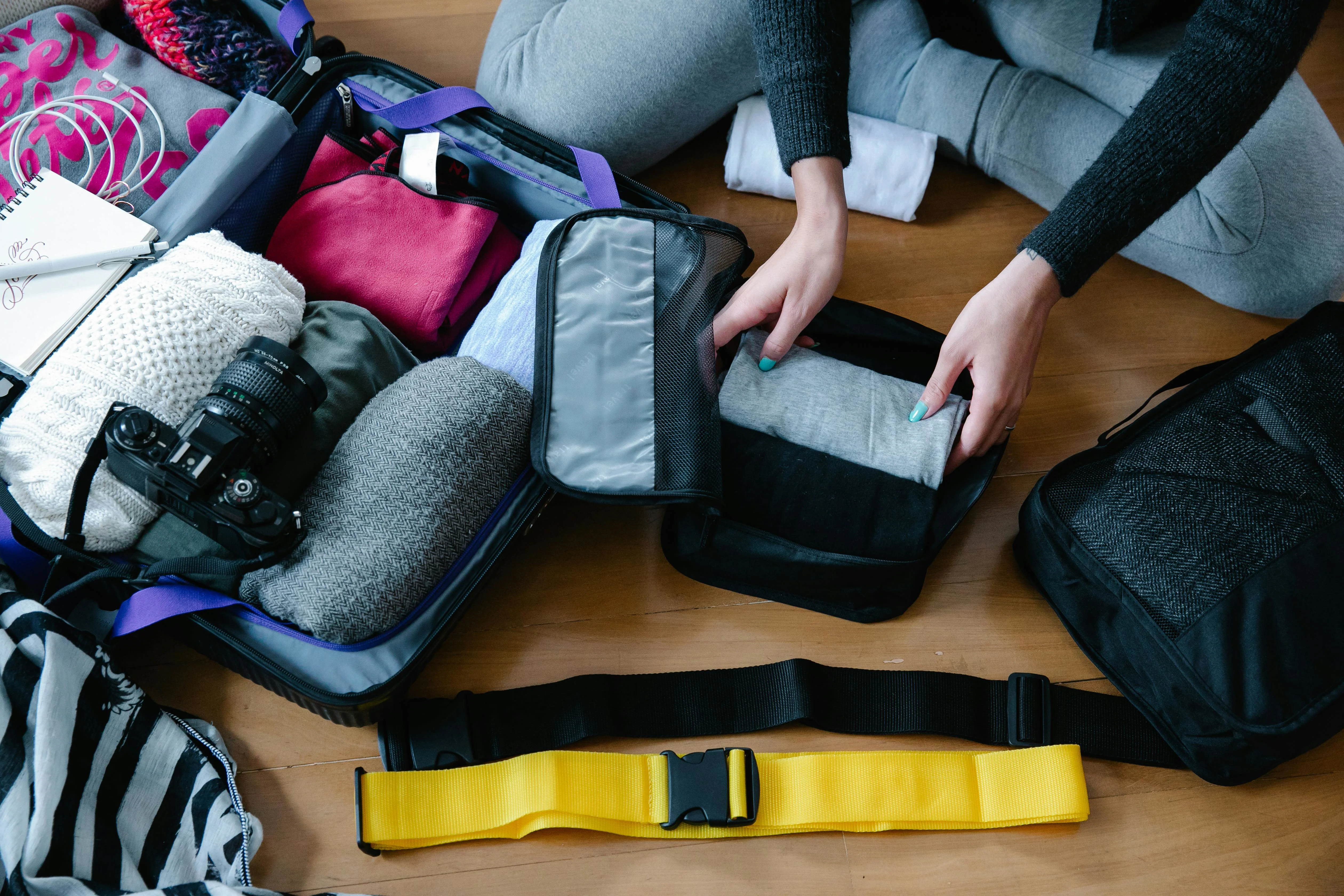
Before you book anything, check the best time to visit Thailand breakdown. The month you travel changes the experience significantly depending on which part of the country you are in. For flights, the cheapest flights to Thailand from the US guide covers which airlines, routes, and booking windows actually move the price. The Thailand packing guide covers what to bring so you are not buying essentials at airport prices. For a wider look at destinations, the Thailand travel guide links out to city and region breakdowns.