Thailand Packing Guide: What to Bring and What to Leave Home
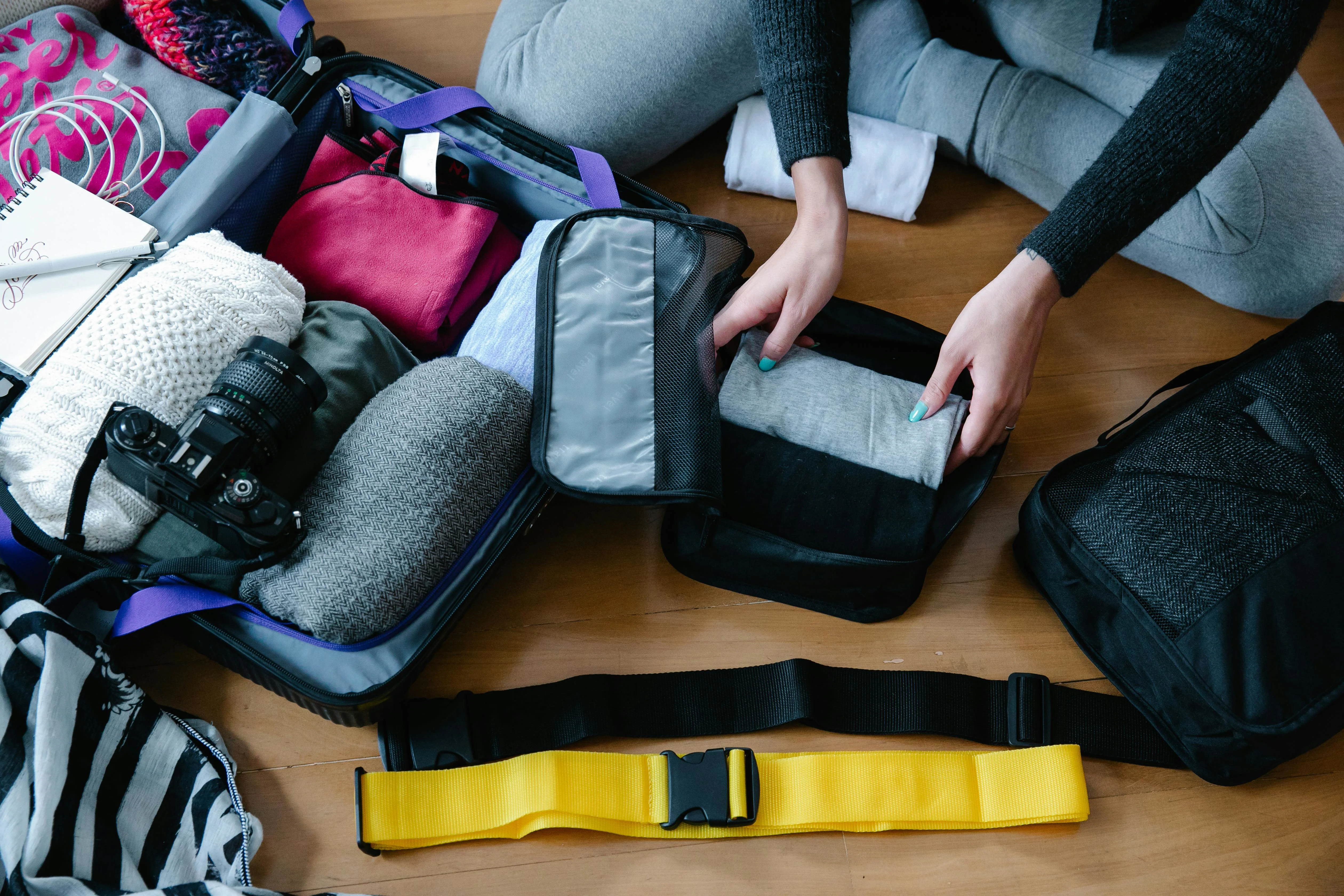
Thailand is hot, humid, and has laundry services on almost every street for 40 to 60 baht per kilogram. Clothing is cheap to buy there. Most people pack for the trip they imagine rather than the trip they are actually going on, which means arriving with a bag full of things they do not use and missing the two or three things they actually need.
This guide is built around a 2-week trip covering Bangkok, Chiang Mai, and a beach destination. Adjust for your specific itinerary and activities.
The Clothing Reality
Thailand will make you sweat, and it will do so consistently. Lightweight, quick-dry fabrics are functionally better than cotton: they dry overnight after washing, weigh less, and handle 35-degree heat without holding odour the way cotton does.
Cotton is heavy, absorbs sweat visibly, and takes a full day to dry. Packing 7 cotton t-shirts for 2 weeks is a mistake most people make once. Four to five lightweight synthetic or linen shirts handle 2 weeks comfortably when combined with Thailand's laundry services.
Thai street markets sell basic clothing everywhere. Chatuchak in Bangkok, the night markets in Chiang Mai, and the beach markets in Phuket all stock basics at 100 to 300 baht per item. If you want to travel light and buy locally, that is a completely viable strategy.
The Packing List
Clothing
4 to 5 lightweight t-shirts or tops in breathable fabric
2 pairs of lightweight trousers or long pants (required for temples, practical for evenings)
2 to 3 pairs of shorts
1 lightweight long-sleeve shirt (for air conditioning and temple visits)
Enough underwear for a week. Quick-dry is worth the investment.
2 pairs of socks if you plan to wear trainers
Women travelling to beach destinations: pack swimwear. Beach resort shops charge significantly more. Men: one pair of board shorts serves as both beach and casual wear.
Footwear
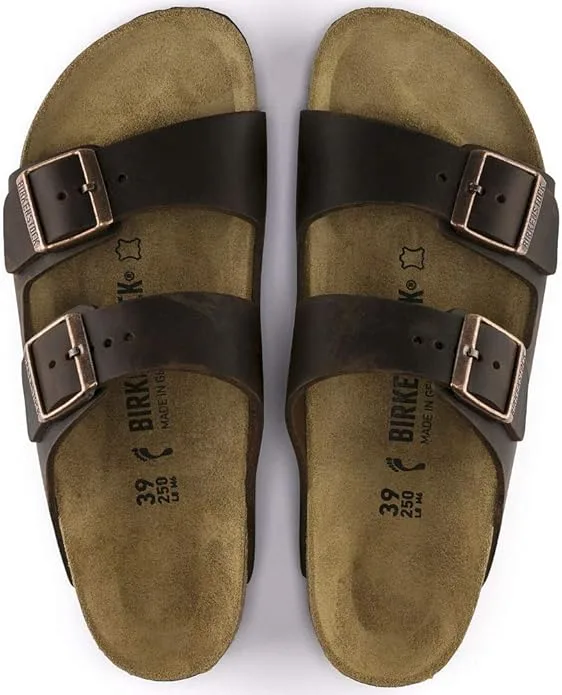
Sandals carry the entire trip. You will wear them through temple courtyards, street markets, boat docks, and restaurant floors, and you will be taking them on and off dozens of times a day at temple entrances. The wrong pair means blisters by day three. The right pair disappears on your feet.
For long-walk days, the Birkenstock Arizona is the most reliable call for both men and women. The contoured footbed handles full days without breaking down, the adjustable straps fit over swollen hot-weather feet, and slip-on entry solves the temple problem entirely. The leather version dries faster than expected and holds up through two weeks of daily use without complaint.
For a slimmer profile that works for evenings as well as day trips, the Vionic Tide II (women) and OluKai Ohana (men) sit closer to a flip-flop silhouette without sacrificing support. The ECCO Yucatan is the premium option for anyone who wants serious arch support and does not mind paying for it.
Buy Birkenstock Arizona on Amazon →
Buy Vionic Tide II on Amazon →
One pair of closed-toe shoes or trainers covers hiking days and any activity where sandals are not practical. Pack them, but do not expect to wear them often.
Toiletries
Sunscreen is the most important item and the hardest to source affordably in Thailand. Thai sunscreens commonly contain whitening agents that most Western visitors do not want. Bring enough of your preferred SPF or buy from Watsons or Boots on arrival, both of which stock international brands at mall locations across the country.
Insect repellent with DEET is essential for evenings outdoors and any time near forested areas. Bring a small bottle for arrival. Antihistamine cream handles the bites that will happen regardless, and your regular medications should come with enough supply for the trip plus a buffer.
Medications: What to Bring and What to Leave at Home
Pack a basic travel medicine kit and you will cover 90 percent of what comes up. Paracetamol or ibuprofen for heat headaches and muscle aches, oral rehydration salts for stomach issues, antihistamines for bites and reactions, loperamide for diarrhea, and antacid tablets for the inevitable night market overindulgence. All of these are available at Watsons and Boots across Thailand, but having them on arrival saves the pharmacy trip when you actually need them.
Prescription medications can be brought in for personal use. Keep everything in original packaging with the pharmacy label intact, and travel with a copy of your prescription or a doctor's letter. Most standard prescription medications (antibiotics, blood pressure, diabetes, thyroid) clear customs without issue when documented correctly. Insulin and diabetes supplies including syringes are permitted with a doctor's prescription and no additional permit is needed.
Controlled substances require advance paperwork. Medications containing Category 2 narcotics, including codeine, fentanyl, morphine, oxycodone, and hydrocodone, require a permit (Form IC-2) from the Thai Food and Drug Administration before travel, with supply capped at 90 days. Benzodiazepines including Xanax (alprazolam) and Valium (diazepam) also require an import permit from the Thai FDA. ADHD medications such as Ritalin fall into the same category. Start the permit process at least 4 to 6 weeks before departure.
Do not bring cannabis or CBD products. Thailand reclassified cannabis as a controlled herb in 2025, reverting to a medical-only framework. Cannabis and CBD products are illegal to bring into Thailand even with a valid prescription from your home country and even if they are legal where you live. Vaping devices are also completely banned. Bringing controlled substances without proper permits can result in fines up to 500,000 baht, imprisonment of up to 10 years, and deportation.
One thing worth knowing: some medications that require a prescription in the US or UK are available over the counter at Thai pharmacies. Pharmacists in Bangkok and major tourist areas generally speak enough English to help you find what you need if you run out or forget something.
Electronics
Thailand uses Type A (US-style flat two-pin) and Type B (three-pin) plugs at 220V and 50Hz. US plugs fit without an adapter. European and UK plugs need one. Most modern chargers and laptops are dual-voltage and work with just an adapter rather than a converter.
A small travel power strip solves the limited-outlet problem most hotel rooms have. A 20,000mAh battery bank covers most day trips and travel days without needing a wall socket.
Buy Anker PowerCore 20000 Battery Bank on Amazon →
Documents and Money
Passport with at least 6 months validity and at least 2 blank pages for stamps. Keep printed or digital copies stored separately from the originals. Save your travel insurance emergency contact number directly to your phone, not just in the documentation.
Bring some cash in USD or GBP for the first ATM visit if needed, but not more than $100. A Wise or Revolut card is the primary tool for accessing baht throughout the trip without the 200 to 220 baht withdrawal fee most Thai ATMs charge on top of your bank's foreign transaction fee.
What to Leave Home
A full-size towel: all accommodation provides towels and beach towels are sold everywhere in beach areas for 150 to 300 baht. A hair dryer: all hotels except the cheapest have one. More than 5 to 7 days of clothing: laundry costs 40 to 60 baht per kilogram and is on almost every street.
Jeans are heavy, take days to dry in humidity, and Thailand is too hot for them except in heavily air-conditioned environments. Formal clothes are unnecessary unless you have a specific event. A laptop if you are not working: tablets and phones cover most travel needs and weigh significantly less.
Gear Worth Spending Money On
A lightweight daypack in the 20 to 25 litre range with a padded back panel is the one thing worth buying properly before you leave. The difference between a good daypack and a cheap one is significant when you are wearing it for 8 hours in 35-degree heat. The Osprey Daylite Plus is the most consistently recommended option in this range and fits most airline personal item requirements.
Buy Osprey Daylite Plus 20L Daypack on Amazon →
A filtered water bottle reduces plastic waste and means clean drinking water is always accessible. Tap water is not safe to drink in Thailand, but filtered water is fine. The environmental impact of 14 days of single-use plastic bottle purchases is worth thinking about before you pack.
UV400 sunglasses are non-negotiable. The Thai sun is intense and cheap sunglasses without UV protection cause more damage than no sunglasses at all. Bring a pair you trust or buy from a reputable brand at duty-free on departure.
For the Beach Destination
Reef-safe sunscreen is worth packing separately. Many Thai marine parks and dive sites are working to reduce chemical sunscreen damage to coral. Mineral sunscreens (zinc oxide and titanium dioxide) are reef-safe and effective. Standard chemical sunscreens are not.
A 10-litre dry bag costs around 300 to 500 baht in any dive shop in Thailand, or $10 to $20 on Amazon before you leave. Boat spray on island-hopping trips will reach your phone and camera without one.
Where to Buy What You Forgot
Siam Paragon, Central World, and Terminal 21 in Bangkok stock international brands for most things. Watsons and Boots pharmacies are in every major mall and tourist area. Lazada, Thailand's main e-commerce platform, delivers next-day to most Bangkok hotels if you need something specific quickly.
Where to Go from Here
The first trip to Thailand guide covers visas, money, transport, and what to expect on the ground. If you are still working out timing, the best time to visit Thailand breakdown changes what you need to pack significantly depending on the season. For destination-specific advice, the Thailand travel guide links out to city and region breakdowns.